Last Updated: September 27, 2026
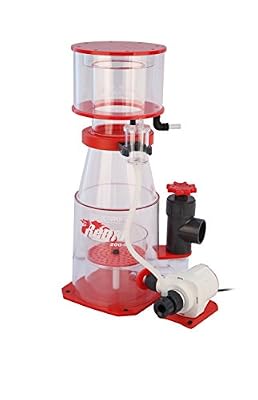
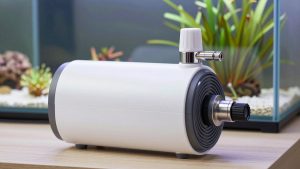
Reef Octopus Regal Internal Protein Skimmer REGAL-200INT
Included for 'Best Protein Skimmer for a Mixed Reef: Top Expert Picks' as a relevant option in this category; details come from the product listing.
View on Amazon
Reef Octopus OCTO Regal 150 SSS Space Saver Protein Skimmer
Included for 'Best Protein Skimmer for a Mixed Reef: Top Expert Picks' as a relevant option in this category; details come from the product listing.
View on Amazon
Reef Octopus Classic 150INT Protein Skimmer
Included for 'Best Protein Skimmer for a Mixed Reef: Top Expert Picks' as a relevant option in this category; details come from the product listing.
View on Amazon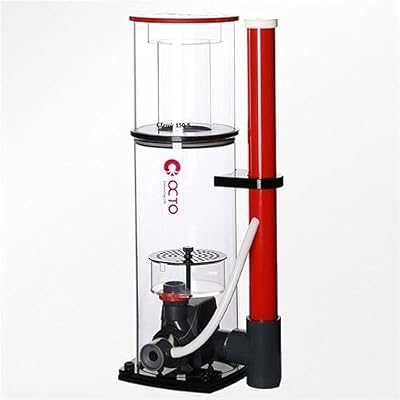
Reef Octopus Classic 150SSS Protein Skimmer
Included for 'Best Protein Skimmer for a Mixed Reef: Top Expert Picks' as a relevant option in this category; details come from the product listing.
View on AmazonNominal capacity assumes a lightly loaded system, which a mixed reef rarely is. The best protein skimmer for a mixed reef is chosen from the manufacturer’s adjusted figure rather than the headline maximum, and the right model depends entirely on your actual water volume.
As an Amazon Associate we earn from qualifying purchases.
By David Nguyen
How to Choose a Mixed-Reef Protein Skimmer
Four points govern this decision: nominal ratings assume light loading, published reductions are brand-specific rather than universal, litre and gallon figures need converting carefully, and no single model can be recommended without first knowing your actual total system volume.
Nominal Capacity Assumes Light Loading
Headline figures describe an idealised system rather than a stocked mixed reef with soft corals, large polyp stony corals and fish sharing the same water. TUNZE publishes the 9004 at 250 litres nominal and the 9004 DC at 300 litres nominal under exactly the same published test framing.
Those numbers are perfectly honest within their own assumptions, which is precisely the problem when buyers read them as maximums. A mixed reef carrying moderate fish stock and daily feeding sits well outside the conditions that originally produced that published nominal rating figure.
Apply the Published Reduction
TUNZE publishes a 40 percent reduction for typical mixed reef conditions, which converts 250 litres nominal into 150 litres adjusted on the 9004, and 300 into 180 litres on the 9004 DC. Larger bodies in the range follow exactly the same arithmetic applied to their own published figures.
The 9012 DC moves from 1000 litres nominal down to 600 adjusted, and the 9410 DC from 1200 litres down to 720 litres. That 40 percent figure remains specific to TUNZE’s own ratings rather than an industry rule that you can apply to any other manufacturer’s own published capacity numbers.
Convert Litres and Gallons Carefully
Published figures arrive in litres throughout here, and rounded gallon headlines used elsewhere can obscure genuinely different underlying ratings. The 150 litre adjusted figure equates to roughly 40 US gallons, while the 180 litre figure works out at close to 48 US gallons instead.
Run the conversion yourself rather than trusting a rounded marketing figure, particularly when comparing across brands that publish in different units. Two products both advertised around fifty gallons may carry noticeably noticeably different litre ratings sitting underneath the headline.
Why System Volume Decides Everything
No single skimmer earns a best overall title across mixed reefs, because the correct answer moves entirely with total water volume including the sump. A 40 gallon system and a 190 gallon system need entirely different bodies regardless of how similar their stocking levels might look.
Calculate your genuine total first, adding the display, sump and plumbing volume together. Then match that number against the adjusted rating rather than the nominal one, and the shortlist usually narrows down to one single sensible model within the manufacturer’s published range.
Top Picks
Four TUNZE bodies arranged here by adjusted mixed-reef capacity rather than by nominal claims, since the appropriate choice depends on system volume. Published nominal and adjusted figures appear throughout, alongside the practical consideration that finally decides each one of them.
| Product | Best For | Key Spec | Watch Out For |
|---|---|---|---|
| TUNZE 9004 | Small mixed reefs | 250 L nominal, 150 L adjusted | About 40 US gallons |
| TUNZE 9004 DC | Small reefs with growth | 300 L nominal, 180 L adjusted | Adjustability costs more |
| TUNZE 9012 DC | Mid-size systems | 1000 L nominal, 600 L adjusted | Air figures conflict |
| TUNZE 9410 DC | Large mixed reefs | 1200 L nominal, 720 L adjusted | Needs sump space |
TUNZE 9004, Best for Small Mixed Reefs
Rated at 250 litres nominal and at 150 litres once the mixed reef reduction is applied, the 9004 suits systems around 40 US gallons total including sump volume. For a compact mixed reef with modest fish stock, that adjusted figure is the only number that really matters at all here.
The gap between 250 and 150 litres shows how much the assumption changes the answer, and buyers reading only the nominal figure routinely undersize by a substantial margin. Calculate your own total volume honestly before deciding whether this particular body is genuinely sufficient.
TUNZE 9004 DC, Best for Small Reefs With Growth
The DC version publishes 300 litres nominal against 180 litres adjusted, which covers roughly 48 US gallons of mixed reef. Adjustable output also lets you retune the foam production as the reef matures and the feeding regime inevitably increases over the following couple of years anyway.
That additional 30 litres of adjusted capacity arrives at a higher price than the standard 9004, so the value really sits in controllability rather than in raw capacity. On a system that will stay at its current volume, the simpler standard body still remains perfectly adequate for it.
TUNZE 9012 DC, Best for Mid-Size Systems
Moving from 1000 litres nominal to 600 adjusted, the 9012 DC covers around 158 US gallons of mixed reef, which spans the common 120 to 150 gallon display together with its sump. It is the natural next step once a reef system finally outgrows the two compact bodies sitting below it.
Published air draw figures for this particular model conflict between sources, appearing as both 400 and 450 litres per hour, so treat air specification as unconfirmed here. Size from the adjusted capacity figure, which is consistent across sources, rather than from the disputed air number.
TUNZE 9410 DC, Best for Large Mixed Reefs
At 1200 litres nominal and 720 litres adjusted, this body covers roughly 190 US gallons of mixed reef, suiting large displays with substantial sumps and heavier fish loads. The adjusted figure still assumes mixed reef conditions rather than an SPS-dominated system with tighter targets.
Physical space becomes the practical constraint at this size, since a body rated for 190 gallons occupies considerable sump footprint and needs appropriate water depth. Measure the chamber before committing, because capacity means nothing at all if the unit cannot physically be installed.
Frequently Asked Questions
Four questions follow on from adjusted ratings: why that reduction exists at all, whether it applies to any other brands, whether oversizing is ever safe, and how the sump volume counts. Direct answers below, together with the exceptions that are genuinely worth knowing beforehand.
Why Reduce the Rating for a Mixed Reef?
Because nominal figures assume much lighter organic loading than a stocked mixed reef produces. Corals, fish and daily feeding all contribute their own dissolved organics, and TUNZE’s published 40 percent reduction reflects that gap between the original test assumptions and everyday reality.
The alternative here is simply chronic undersizing, where a skimmer rated on paper for your own volume produces thin foam and never quite keeps pace. Applying that adjustment at the purchase stage costs nothing beyond choosing the next body up within the manufacturer’s own range.
Does the 40 Percent Rule Apply to Other Brands?
No, it is TUNZE-specific guidance attached firmly to TUNZE’s own nominal figures rather than an industry standard. Other manufacturers publish load bands, heavy and light ratings, or different reduction approaches entirely, and mixing those two systems together simply produces nonsense.
Stay inside a single manufacturer’s framework when sizing. Where you are comparing across brands, use retailer load-specific ratings that apply exactly the same methodology to both products rather than converting one brand’s nominal figure by applying another brand’s reduction rule.
Is It Safe to Oversize a Skimmer?
Generally yes within reason, since a larger body running gently tends to outperform a smaller one working right at its limit. Oversizing costs money, sump footprint and extra wattage rather than causing any harm, provided that the unit can still be tuned to produce genuinely useful dry foam consistently.
Extreme oversizing becomes counterproductive, since a body designed for several hundred litres may struggle to produce stable foam on a lightly loaded nano system. Staying within one size step of your adjusted requirement keeps both the performance and the running costs sensible.
Does Sump Volume Count Toward the Total?
Yes, and omitting the sump volume is an extremely common sizing error here. The skimmer has to process all of the connected water, so the display volume, sump volume and plumbing should all be added together before the adjusted rating gets checked against that single combined figure.
Subtract the displacement from the rock and substrate for a more honest number, since a heavily aquascaped display holds noticeably less water than its nominal gallon rating would suggest. The result usually sits considerably closer to your adjusted requirement than the printed gallon label implies.
Final Thoughts
Take the manufacturer’s adjusted figure, convert the units yourself and add the sump before choosing. The best protein skimmer for a mixed reef depends entirely on total volume, so the 9004 suits 40 gallon systems while the 9012 DC and the 9410 DC serve very much larger reef displays.

Reef Calcium Supplement Additive Review
Best Auto Top Off System for Large Reef Tanks: Safe Picks