Last Updated: October 21, 2026
A first reef forgives more when the water stays stable and the light suits corals, so the best all in one saltwater tank for a first reef tank pairs a steady nano volume with a reef-capable light and built-in filtration, rather than the cheapest box that leaves you upgrading at once.
As an Amazon Associate we earn from qualifying purchases.
By David Nguyen
How to Choose an All-in-One Saltwater Tank for a First Reef
A first reef succeeds on stability and light more than on brand. A slightly larger nano holds parameters steadier, and a reef-capable light decides which corals live. Weigh those, confirm what the tank includes, and the early months forgive the mistakes every new reefer makes.
Stability Comes From Volume
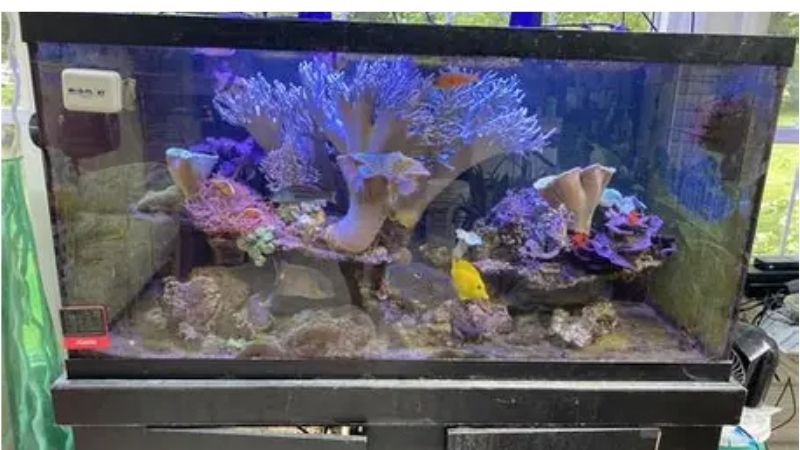
For a first reef, a steadier volume forgives beginner errors. Larger water volumes swing more slowly in temperature and salinity, so a modest step up from the tiniest tank buys real stability. That headroom matters most while you learn to hold parameters. That slower swing forgives the errors every beginner makes.
Balance stability against space and budget, since bigger also costs more. A mid-nano is often the sweet spot, stable enough to forgive yet still compact. Choosing for volume, not just footprint, is the first move toward a reef that survives its early months. Stability first, then footprint, is the order that pays off.
A Reef-Capable Light Decides Corals
The light sets what corals are possible, and this is where beginners over-trust specs. Watts, lumens and Kelvin describe the fixture, not the PAR corals use, so a capable reef light like the ReefLED on the MAX NANO G2 is a real advantage over a basic stock fixture.
Match the light to your coral plan, starting gentle. Soft corals and easy LPS suit a first reef, and their PAR needs are moderate rather than extreme. A tank with a genuine reef light, or budget for an upgrade, keeps that plan realistic from the outset. Gentle corals under a real light keep the plan achievable early.
Built-In Filtration and Flow
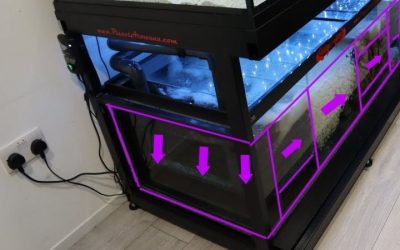
An all-in-one hides filtration in rear chambers, which simplifies a first build by removing the external sump. That convenience lets a beginner focus on husbandry rather than plumbing. Confirm the return pump and chambers suit the tank, since the AIO layout varies by model.
Plan a little extra flow for corals, since the return pump’s rated LPH is return flow, not total circulation. A small powerhead spreads gentle movement corals want. Built-in filtration handles the basics, but corals reward the modest addition of tuned flow across the rock.
Room to Grow Without Redoing It
A first reef often expands, so a tank with a little headroom saves an early re-buy. Choosing a model with volume to add corals, and a light with some reserve, means growth slots in rather than forcing a new tank. The Fusion 25’s larger footprint offers such room.
Weigh that against starting simple, since more tank is more to learn on. A sensible middle keeps the first reef manageable while leaving space to grow into. Planning for a little expansion now is cheaper than replacing an outgrown nano within the first year. A little foresight now saves an early and avoidable re-buy.
Top Picks
These four are ranked for a forgiving first reef: stable volume, a reef-capable light and built-in filtration, with the trade-offs noted. Specs are manufacturer-stated and prices change, so confirm current figures and start with gentle corals. The right pick suits your budget and how fast you plan to grow.
| Product | Best For | Key Spec | Watch Out For |
|---|---|---|---|
| Red Sea MAX NANO G2 | Most forgiving first reef | ReefLED G2 60; ReefATO+ ready; 950 LPH | Higher price |
| Waterbox AIO 15 | Stable, tidy nano | ~272 sq in base | Buy light and ATO to suit corals |
| IM Fusion 25 | Room to grow | ~465 sq in base | More tank to learn on |
| Fluval EVO 13.5 | Low-cost entry | Integrated light and filter | Stock light limits corals |
Red Sea MAX NANO G2 — Most Forgiving
The MAX NANO G2 leads for a first reef by pairing a capable ReefLED G2 60 with ReefATO+ readiness and around 950 LPH of return flow. The reef-ready light removes the usual beginner light upgrade, and ATO readiness helps hold salinity, which steadies the tank while you learn.
Its higher price is the trade, but it front-loads the parts a first reef most needs. For a beginner who wants corals to actually thrive, the built-in capability lowers the early failure rate. Add gentle corals first and let the tank’s stability do the forgiving.
Waterbox AIO 15 — Stable, Tidy Nano
The Waterbox AIO 15, near 272 square inches, offers a stable, tidy footprint with clean integrated filtration. Its volume forgives more than the smallest tanks, and the layout keeps a first build uncluttered. It is a calm foundation for learning reef husbandry.
Plan to add a suitable light and an auto top-off, since the tank leans on you to complete the reef side. Confirm the SKU’s contents before buying. As a stable, well-made nano it is a strong base, provided you budget the coral-focused additions it does not include.
IM Fusion 25 — Room to Grow
The Fusion 25’s larger footprint near 465 square inches gives a first reef room to expand without a quick re-buy. More volume also steadies parameters, easing the swings beginners struggle with. For someone who expects to add corals, the headroom is genuinely useful.
The trade is more tank to learn on and a larger space and budget. Pair it with a reef-capable light and an ATO to match the volume. Chosen with growth in mind, it avoids the common path of outgrowing a nano within a year of starting the hobby. Sized for growth, it rewards patience over a quick restart.
Fluval EVO 13.5 — Low-Cost Entry
The Fluval EVO 13.5 is the budget door into a first reef, shipping integrated and ready to run at a low entry cost. Its simplicity and price suit testing the water before committing more. The volume is workable for a beginner starting with hardy life. It is an honest, low-risk way to test the hobby before more.
Its stock light limits corals to the toughest softies, so a reef plan means a light upgrade. Treat it as an affordable start with a known next step. For a cautious beginner it lowers the entry cost, provided the coral ambitions stay modest until the light improves.
Frequently Asked Questions
New reefers ask what size suits a first reef, whether the stock light grows corals, how much flow corals need, and which corals to start with. Each answer gives the practical rule first, then the condition that adjusts it for your plan. Each answer favors the forgiving path over the fastest one.
What size is best for a first reef?
A steadier volume forgives more, so a mid-nano often beats the tiniest tank for a beginner. Larger volumes swing more slowly in temperature and salinity, buying stability while you learn. Balance that against space and budget rather than chasing the smallest footprint.
Remember system volume is not display volume, so the real water is less than the headline. If you expect to add corals, a little headroom like the Fusion 25’s saves an early upgrade, keeping the first reef stable and giving room to grow into over time. Growth room and stability together define a good first reef.
Does the stock light grow corals?
Sometimes for hardy softies, often not for more. Watts and Kelvin are not PAR, so a basic stock light can fall short even when it looks bright. A tank with a genuine reef light, like the MAX NANO G2’s ReefLED, avoids the common first upgrade. Check PAR at depth before trusting any light with corals.
Match the light to your coral plan and check PAR at depth. Starting with gentle corals under a capable light is far more forgiving than pushing demanding species under a weak one. If the stock fixture is basic, budget an upgrade before stocking corals. Easy corals under a capable light are the surest first step.
How much flow does a first reef need?
Gentle, even flow beyond the return pump, which handles filtration rather than full circulation. Its rated LPH is return flow, so most reef nanos add a small powerhead for movement across the rock. Corals want steady flow, not a blast that unsettles them. Even, gentle movement beats raw force for new corals every time.
Size the extra flow to the tank and start modest. Too much flow in a nano stresses new corals, so tune it by watching how detritus and corals respond. Treating flow as adjustable, not a fixed number, keeps a first reef comfortable while you learn. Tune it slowly and the corals will show you the right amount.
Which corals should a beginner start with?
Hardy soft corals and easy LPS are the forgiving starting point, tolerating the parameter swings a new reefer causes. Their light and flow needs are moderate, matching a stable nano with a reef-capable light. Save demanding SPS for later, once husbandry is steady.
Add corals slowly and watch how they respond before adding more. A first reef is about building stable habits, so a few easy corals under suitable light teach more than a crowded tank. Patience early is what turns a first reef into a lasting one. Slow stocking is what turns a first reef into a lasting one.
Final Thoughts
For a first reef, the best all in one saltwater tank for a first reef tank is the forgiving one: a steady volume, a reef-capable light, built-in filtration and a little room to grow. Start with gentle corals, add tuned flow and an auto top-off, and the early months forgive the learning.
Best Maxspect Jump Skimmer for Mixed Reef: Sizing Guide
Best Protein Skimmer for Reef Tank: Compared by Numbers