Last Updated: October 4, 2026
- Top Pick: Aqueon Glass 20 Gallon Long Tank for Aquariums & Terrariums
- Best Value: Aqueon Glass Aquarium Tank, 20 Gallon High Fish Tank, High-Clarity Glass Construction, Freshwater & Saltwater Compatible, Black Trim, 25" x 13.25" x 17.25"
- Premium Choice: Eagle Plastic Drum, 20 Gallon Drum, DOT Compliant, Made in USA, Yellow
Choosing between a 20 gallon long and a 20 gallon high is less about the amount of water and more about how that water is arranged in your room. Both tanks hold roughly 20 gallons, but their footprints, proportions, viewing angles, and equipment needs can make them feel like very different purchases.
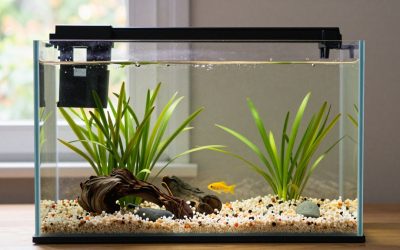
A 20 gallon long spreads the same volume across a wider, shallower base. A typical model measures about 30 inches long by 12 inches wide by 12 inches high. A 20 gallon high is usually shorter and taller; one common size is approximately 25 inches long by 13.25 inches wide by 17.25 inches high. That difference affects fish swimming space, plant placement, lighting, access for maintenance, and how safely the aquarium fits on furniture.
As an Amazon Associate we earn from qualifying purchases at no extra cost to you.


The real decision is whether your home benefits more from horizontal floor space or vertical viewing space. For most community aquariums, the long model is the more flexible choice. The high model can be better when you have limited wall width, prefer a taller display, or want more vertical room for decorations and plants.
Quick Verdict
Choose a 20 gallon long if you want more horizontal swimming room, easier maintenance access, a lower center of gravity, or a planted community aquarium. Its 30-inch footprint works especially well against a wall or on a purpose-built aquarium stand.
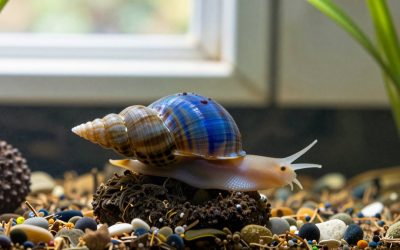
Choose a 20 gallon high if you have less available width, want a taller focal point, or plan a setup that benefits from extra water depth. It can suit small fish, shrimp, snails, and vertically arranged plants, although its height makes reaching the bottom more awkward.
Neither shape is automatically stronger or safer. Construction, seams, level support, and a properly sized stand matter more than the label “long” or “high.” Expect an empty glass aquarium to weigh roughly 25 to 35 pounds, then add more than 160 pounds when filled with water, substrate, rocks, and equipment.
Side by Side
| Category | 20 Gallon Long | 20 Gallon High |
|---|---|---|
| Typical dimensions | About 30 x 12 x 12 inches | About 25 x 13.25 x 17.25 inches |
| Comfort for fish | Better horizontal swimming room | More vertical water column, less length |
| Durability and stability | Lower profile and generally less top-heavy | Taller profile; requires careful leveling and support |
| Typical price range | About $80 to $140 for the tank | About $80 to $140 for the tank |
| Maintenance | Easy access across a shallow interior | More reaching and tools may be needed |
| Space needed | Needs more wall width | Uses less width but more vertical clearance |
| Look | Low, panoramic, furniture-like profile | Tall, dramatic, display-oriented profile |
| Resale | Often easier to sell to general hobbyists | Appeals to buyers specifically seeking height |
| Best for | Community fish, planted layouts, and beginners | Small fish, shrimp, snails, and vertical aquascapes |
Where 20 Gallon Long Wins
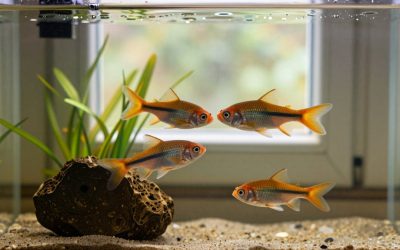
The long format wins on usable swimming space. A 30-inch run gives many small, active fish room to move naturally from side to side. That does not mean every fish is appropriate for a 20 gallon aquarium, but the footprint is generally more useful than extra height for schooling species and peaceful community fish.
It is also easier to decorate. A shallow tank gives you a broad canvas for a foreground, midground, and background arrangement. Driftwood and rocks can be positioned without creating a tall, crowded wall. Plants receive light across a relatively even depth, and trimming or replanting is usually less frustrating.
Maintenance is another advantage. In a 12-inch-tall tank, most adults can reach the substrate without fully immersing an arm or relying on long tools. Scraping algae, moving a decoration, and vacuuming the bottom are more straightforward. The shorter profile also leaves more clearance beneath cabinets, shelves, or low-hanging wall decor.
A long aquarium can be easier to light efficiently. A typical LED fixture may use approximately 10 to 20 watts for a low- to moderate-light setup, depending on the plants and the manufacturer. Because the tank is shallower, light does not need to travel as far to reach the substrate. You still need a fixture that matches the tank’s 30-inch length.
For a specific example, the Aqueon Glass 20 Gallon Long Tank for Aquariums & Terrariums is listed for under $100. That price is representative of a standard glass tank, but remember that a lid, light, filter, heater, stand, substrate, and water conditioner may cost as much as or more than the aquarium itself.
Where 20 Gallon High Wins
The high format makes a stronger visual statement in a narrow room. Its footprint is roughly 25 inches wide and 13.25 inches deep, so it can fit where a 30-inch-long aquarium may not. Always measure the stand, not just the glass, because the supporting furniture may be wider than the tank.
Height also creates room for tall plants, branches, rock formations, and open vertical compositions. A carefully arranged high aquarium can look like a living column, particularly when placed near eye level. It may be a good choice for a room where the aquarium is intended to function as a central decorative feature rather than a wide landscape.
However, the added height is not automatically extra habitat. Fish that need horizontal cruising space may prefer the long format, even though both tanks hold approximately the same water volume. The high tank also has a larger vertical water column, which can require more attention to circulation and oxygen exchange. A filter rated for at least 20 gallons is a starting point; many owners choose one rated for 20 to 30 gallons, while avoiding excessive flow for delicate fish.
Reach is the main compromise. The bottom of a 17.25-inch-tall aquarium is not extremely deep, but it is noticeably less convenient than a 12-inch tank. A long-handled scraper, planting tool, or gravel vacuum can make the difference between an easy water change and a wet sleeve.
The Aqueon Glass Aquarium Tank, 20 Gallon High Fish Tank, listed for under $100, is an example of the taller format. Its stated dimensions are 25 by 13.25 by 17.25 inches, with high-clarity glass and black trim. Compare the actual measurements with your available stand and overhead clearance before buying.
Cost Over 5 Years
The tank price is usually similar, so the five-year cost difference comes mainly from equipment, replacement parts, energy, and repairs. A realistic basic setup for either shape may total approximately $250 to $550 at the start:
- Tank: about $80 to $140
- Stand or reinforced furniture: about $80 to $250
- Filter: about $25 to $70
- LED light: about $25 to $100
- Heater: about $20 to $45
- Lid, substrate, decor, and water supplies: about $50 to $150
Over five years, plan on roughly $40 to $100 for replacement filter media, $30 to $80 for bulbs or light-related parts if needed, and $25 to $75 for replacement tubing, heaters, nets, and maintenance supplies. Electricity varies by local rates and equipment. A 50-watt heater running intermittently and a 10- to 20-watt LED light used about 8 hours daily might add approximately $15 to $60 per year, depending on runtime and utility pricing.
That produces a broad five-year ownership range of about $400 to $1,000, excluding fish, medications, major livestock losses, and unusual repairs. The long model may save a little on lighting depth and maintenance tools, while the high model may cost slightly more if it needs longer tools or a taller, specialized stand. Do not substitute a household table unless its manufacturer confirms that it can support more than 200 pounds continuously and without flexing.
For comparison, the under-$80 Eagle Plastic Drum 20 Gallon Drum is a storage container, not a substitute aquarium. Its price illustrates why a glass tank’s cost includes transparent panels, aquarium-safe construction, seams, trim, and a design intended for display. A drum may be appropriate for certain storage uses, but it should not be treated as an aquarium without explicit manufacturer approval.
Which One for Your Home
Small apartment
Pick the 20 gallon high if wall width is your main constraint and you have adequate vertical clearance. Pick the long instead if you can spare 30 inches and want easier maintenance. In either case, keep the aquarium away from direct sunlight, confirm the floor is level, and choose a stand that distributes the load properly.
Family with kids or pets
The 20 gallon long is often the more forgiving shape because it is lower and less top-heavy. It is easier for an adult to access and can be positioned so curious hands or leaping pets are less likely to reach the top. A secure lid, stable stand, and cord management are essential for either format.
Rental home
Favor the option that can remain safely in one location for the entire lease. A high tank may fit better in a narrow room, but it can be harder to move through doorways once the stand and supplies are assembled. Get written permission if your lease restricts large aquariums, and protect flooring from spills during water changes.
Long-term home
Choose the 20 gallon long if you want the greatest flexibility for future layouts, community fish, and planted displays. Choose the high if you already have a specific tall aquascape in mind and expect to keep the aquarium in the same carefully measured location for years.
FAQ
Is a 20 gallon long better than a 20 gallon high?
For most beginners and community aquariums, yes. The long provides more horizontal swimming room and easier access to the bottom. The high is better when a narrower footprint or taller display is more important.
Do both tanks hold exactly 20 gallons?
“20 gallon” is a nominal capacity. Once substrate, decorations, equipment, and a space below the rim are included, actual water volume is lower. The exact usable volume varies by glass thickness, interior dimensions, and setup.
Can either tank sit on a regular dresser?
Only if the dresser is specifically rated for the load and provides continuous, level support. A filled 20 gallon aquarium can weigh more than 200 pounds. A purpose-built aquarium stand is the safer choice.
Which tank is easier to clean?
The 20 gallon long is usually easier because it is shallower and provides more room for your hands and tools. The high model is still manageable, but long-handled equipment and a stable step stool may make maintenance more comfortable.
Ready to decide? Our #1 pick for 2026 is the Typical dimensions.
Live price & availability on Amazon.
Related Reviews & Guides


Koi Betta Fish: Colors, Genetics and Care
Aquarium Plants for Goldfish: Species That Survive Being Eaten