Last Updated: September 25, 2026
How often to replace filter media has three different answers depending on which layer you are holding, and treating them as one schedule is the most common way a stable tank is pushed back into a cycle. This guide sets an interval for each layer, explains the reasoning, and covers the replacements that should almost never happen.
As an Amazon Associate we earn from qualifying purchases.
As an Amazon Associate we earn from qualifying purchases at no extra cost to you. Prices and availability are accurate as of the date shown and are subject to change.

Trane/American Standard BAYFTAHEXM Expandable Media Type Replacement Filter
Selected for "How Often to Replace Filter Media: A Layer-by-Layer Guide": this listing is filtration (Trane/American Standard BAYFTAHEXM Expandable Media Type Replacement F), matching the equipment this article covers.
View on Amazon
MAQIHAN 2PCS Pond Filter Media - 47.2Inch Aquarium Filter Media, Koi Pond Filter, Filter Sponge, Filter Floss for Fish Tank, Aquarium, Outdoor Ponds,Garden,Swimming Pool (Green & White)
Selected for "How Often to Replace Filter Media: A Layer-by-Layer Guide": this listing is filtration (MAQIHAN 2PCS Pond Filter Media - 47.2Inch Aquarium Filter Media, Koi P), matching the equipment this article covers.
View on Amazon
Genuine AprilAire 410 Replacement Filter for AprilAire Whole House Air Purifiers - MERV 11, Clean Air & Dust, 16x25x4 Air Filter (Pack of 1)
Selected for "How Often to Replace Filter Media: A Layer-by-Layer Guide": this listing is filtration (Genuine AprilAire 410 Replacement Filter for AprilAire Whole House Air), matching the equipment this article covers.
View on Amazon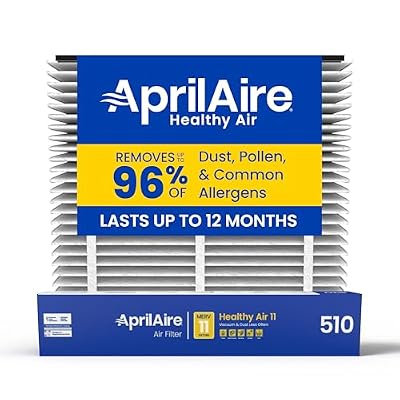
AprilAire 510 Replacement Filter for AprilAire Whole House Air Purifiers - MERV 11, Clean Air & Dust, 31x28x4 Air Filter (Pack of 1)
Selected for "How Often to Replace Filter Media: A Layer-by-Layer Guide": this listing is filtration (AprilAire 510 Replacement Filter for AprilAire Whole House Air Purifie), matching the equipment this article covers.
View on AmazonBy David Nguyen
Quick answer: Our top pick in 2026 is the Flow noticeably reduced — our #1 rated choice. See the full ranked comparison, alternatives and buying advice below.
Check Before You Replace Anything
The question of how often to replace filter media is really three questions, because mechanical, chemical and biological layers wear out on completely different timescales. Before discarding anything, take a short set of readings so the decision rests on measurement rather than habit.
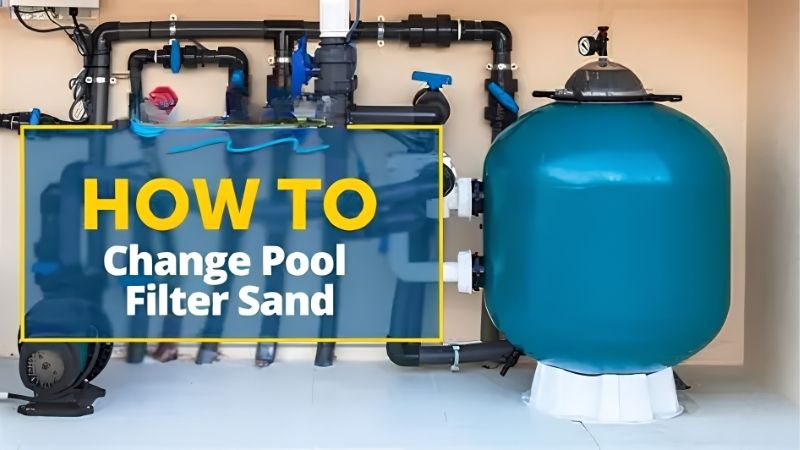
The decisive numbers behind each layer
Deciding how often to replace filter media starts with the mechanical layer. Floss and fine pads are replaced when they break down, typically every 4–8 weeks, and rinsed in used tank water in between. It is the only layer where replacement is routine, and flow loss beats any calendar date.
Chemical media runs on a fixed clock. Activated carbon is largely exhausted after roughly 3–4 weeks and cannot be regenerated by rinsing, while biological media should stay in service for years and is replaced only when it is crumbling or clogged beyond what a gentle rinse can clear.
Reading the tank: which layer is actually asking for attention
Take four water readings first: ammonia, nitrite, nitrate and temperature. Ammonia and nitrite belong at 0 ppm and nitrate below 20–40 ppm. If ammonia or nitrite is measurable at all, the biological layer is the issue and replacing anything at that moment only makes the situation worse.
If readings are clean but flow has dropped, the mechanical layer is packed and needs rinsing or replacing. If the water is yellowing or a medication course has just ended, that points to chemical media, which is the one layer where a scheduled swap is genuinely the correct response.
When replacement is not the answer at all
Falling flow with clean readings is usually a maintenance problem rather than a media problem. Rinse the mechanical stage in siphoned tank water, then check the impeller well and the intake strainer before assuming any layer has reached the end of its useful life inside the filter.
Rising nitrate at an unchanged feeding rate points to water change frequency, not media. No filter medium removes nitrate at any meaningful rate in a normal freshwater tank, so the correct response is a 20–30 percent water change and a review of how much food is going in each day.
| Symptom | Reading alongside it | Layer involved | First action |
|---|---|---|---|
| Flow noticeably reduced | Ammonia 0 ppm, nitrite 0 ppm | Mechanical | Rinse in tank water, replace if shredded |
| Water yellowing | Readings normal | Chemical | Fresh carbon for 2–4 weeks, then remove |
| Ammonia measurable | Above 0.25 ppm | Biological | Water change, stop replacing anything |
| Cloudy after a service | Ammonia rising | Biological, disturbed | Pause feeding, test daily, wait it out |
| Nitrate creeping upward | Above 40 ppm | None, husbandry | Larger or more frequent water changes |
The Replacement Sequence, Layer by Layer
Working outward from the dirtiest layer keeps the answer to how often to replace filter media simple and safe. The mechanical stage is consumable, the chemical stage is a timed tool, and the biological stage is a living population that should be left alone wherever that is possible.
Step one: mechanical media, replaced when it falls apart
Floss and fine pads trap silt and gradually lose structure. Rinse them in siphoned tank water every 2–4 weeks and replace only when the material tears easily or no longer holds shape, which usually falls somewhere between one and two months in an averagely stocked community tank.
Coarse sponge lasts far longer than fine floss. It should be squeezed out in tank water on the same schedule and kept until it stops springing back after squeezing, which often takes well over a year of service. Replacing sponge early throws away a meaningful part of the bacterial colony.
Step two: chemical media, replaced on a fixed schedule
Activated carbon saturates in roughly 3–4 weeks with no visible sign, so it runs on dates rather than appearance. Write the installation date somewhere visible, discard the old material rather than rinsing it, and remove it entirely for the full duration of any medication course.
Ammonia-binding resins and phosphate removers follow their own intervals and are best treated as short-term interventions rather than permanent stages. If a tank needs one of them continuously, the underlying issue is stocking, feeding or water change frequency rather than the media itself.
Step three: biological media, tank size and physical fit
Rigid biological media should last for years. Swish it gently in used tank water only when sludge is visibly restricting flow, roughly twice a year, and replace it only if it is visibly crumbling. If it must be replaced, do half at a time and leave several weeks between the two halves.
Fit determines how much of this you can control. Hang-on-back units need 4–6 inches (10–15 cm) of clearance behind the tank and hold little media, and a full tank runs near 10 lb per gallon (about 1 kg per L). Measure the cabinet height and the gap behind the tank before ordering.
What Never to Do When Replacing Media
Most cycle crashes that get attributed to plain bad luck come from three very specific habits instead. Getting how often to replace filter media right protects nothing if the method used on the day discards the bacterial colony along with the debris that was supposed to be removed.
Never replace every layer in the same session
Proprietary cartridges encourage exactly this, because the whole assembly is designed to be discarded monthly. Throwing out mechanical, chemical and biological surfaces together removes the colony in one move, and the readings usually confirm the mistake within three or four days.
Stagger the work instead. Change the floss when it disintegrates, swap carbon on its own schedule, and leave the rigid media untouched. Where a filter only accepts cartridges, cutting the carbon pouch out and keeping the colonised frame preserves most of what matters biologically.
Never put biological media on a replacement schedule
Rigid ceramic and sintered media has no service interval in the way that floss and pads do. Replacing it annually because a schedule says so is pure loss: it carries the nitrifying colony, and a fresh piece of the same product provides nothing that the old one was not already providing.
The one exception is physical breakdown. Media that has crumbled into fragments, or that clogs again within days of a gentle rinse, has reached the end of its life. Even then, replace half and wait several weeks before touching the rest so the colony can recolonise the new surface first.
Never rinse new or old media under the tap
Municipal water carries chlorine or chloramine specifically to kill bacteria, and it does the same to a nitrifying colony in seconds. Chloramine is the harder case, since not every dechlorinator breaks the ammonia-chlorine bond unless the label states it, and boiling does not remove it.
Avoid pairing any media change with a deep gravel vacuum as well. Substrate holds a meaningful share of the bacterial colony, and removing two populations within hours of each other produces cloudy water and a measurable ammonia reading two or three days after the work appears finished.
Preventing Repeat Problems Over the Long Term
Once the layers are separated, how often to replace filter media becomes a quiet background task rather than a recurring crisis. The remaining work is keeping the flow steady, because most apparent media failures are really flow failures caused by hardware wearing out around them.
A maintenance calendar that keeps the layers honest
A workable baseline for a moderately stocked freshwater tank: rinse mechanical media every 2–4 weeks and replace it every 4–8 weeks, swap carbon every 3–4 weeks when it is in use, swish the biological media twice a year, and service the impeller and hoses roughly every three months.
Adjust upward for heavy feeders such as goldfish and cichlids, which need turnover nearer 8–10 times real volume per hour rather than the 4–6 times a general community wants. Lightly stocked planted tanks sit at the other end of the range and can stretch every interval comfortably.
Which parts wear out and what each failure looks like
Impeller shafts groove at the tip and start to rattle before output falls. Canister hoses grow a biofilm that narrows the bore within a year, and lid gaskets harden and admit air, which shows up as gurgling and as a unit that will not re-prime after a power cut has interrupted the flow.
Media itself degrades slowly and quietly. Sponge compresses, floss tears, and sintered blocks eventually load with fine sediment that rinsing no longer clears. None of these announce themselves, so they are worth checking on the same maintenance visit as the impeller rather than separately.
Early warning signs and the twelve month running cost
Three signals matter: an outflow narrower than its clean baseline, a new mechanical noise, and nitrate climbing between water changes at an unchanged feeding rate. The third of these often means debris is being held in the flow path rather than removed from the system altogether.
Across a year the consumables are floss, an occasional sponge, carbon if it is used, dechlorinator and an in-date test kit. Filters using loose media cost far less than cartridge designs, and a cold winter room raises both evaporation and heater run time, so it is worth budgeting seasonally too.
Frequently Asked Questions
These questions tend to arrive once the layers are treated separately rather than as a single monthly ritual, because most disagreement about how often to replace filter media disappears as soon as mechanical, chemical and biological stages are given their own individual schedules.
Can I replace the whole cartridge if my filter only takes cartridges?
You can, but it costs you a share of the colony every single time. A better approach is to cut the carbon pouch open, discard the exhausted contents and keep the colonised frame in place, adding loose sponge or rigid media into any spare space that the housing allows for extra surface area.
How do I know if biological media is finished?
Look for physical breakdown rather than age alone. Media that has crumbled into fragments, or that clogs again within days of a gentle rinse in tank water, has reached the end of its life. Otherwise it should continue working for years, because bacteria do not wear the surface out.
Should I add new media before removing the old?
Yes, wherever the filter physically has room for it. Running new and old media together for three to four weeks lets bacteria colonise the new surface before the established material leaves, which is the single most effective way to change media without any measurable ammonia spike.
Does replacing media reset my cycle completely?
Only if the biological layer goes with it. Replacing floss or carbon has little effect, since those layers hold a small share of the colony. Discarding rigid media or a whole cartridge is what produces a mini-cycle, and testing daily for a week afterwards will show whether it happened.
See More:
Conclusion
The short answer to how often to replace filter media is layer by layer: floss every 4–8 weeks when it disintegrates, carbon every 3–4 weeks while it is in use, and biological media only when it physically breaks down. Rinse everything in tank water and never change two layers at once.
Ready to decide? Our #1 pick for 2026 is the Flow noticeably reduced.
Live price & availability on Amazon.
Related Reviews & Guides

Quick Picks: Best Aquarium Auto Top-Off (ATO) Systems
Common Mistakes When Buying RODI System: Top Expert Guide