Last Updated: October 21, 2026
Most of the common mistakes when buying an all in one saltwater tank come from taking the box at its word: reading system volume as swimming space, assuming the tank includes everything, and trusting a light’s wattage instead of the PAR that corals actually use.
As an Amazon Associate we earn from qualifying purchases.
By David Nguyen
How All-in-One Tanks Actually Work
An all-in-one is convenient because filtration hides in the tank, but that convenience creates specific traps for buyers. The headline gallons, the AIO label and the light’s specs all invite misreadings that lead to a mismatched tank. Understanding how these tanks really work turns each common mistake below into something easy to avoid.

System Volume Is Not Display Volume
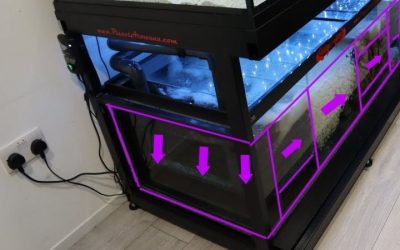
An all-in-one stores water in rear chambers, so its headline gallons are system volume, more than the display volume you actually stock. Reading the total as swimming space overstates how much room fish and corals have, leading to overstocking or a tank that feels smaller than expected. The display figure governs livestock.
So confirm the display volume specifically, not just the system total, when judging a tank’s real capacity. The difference can be significant in a nano, where chambers take a meaningful share. Knowing which figure to read keeps stocking realistic and prevents the crowding that undoes a small tank’s stability.
AIO Does Not Mean Everything Included
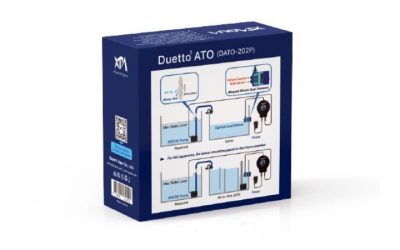
The all-in-one label suggests completeness, but it refers to integrated filtration, not a complete kit. A heater, RODI water, salt and often an auto top-off are separate, and contents vary by model, so assuming everything is included leads to a stalled setup. The tank is the core of the system, not the whole of it.
So read the exact SKU and list what it omits before buying, since two tanks with the same label can ship very differently. Budgeting the missing essentials up front prevents both surprise costs and a tank that cannot run at launch. Treating AIO as filtration, not a full kit, keeps expectations accurate.
Watts and Kelvin Are Not PAR
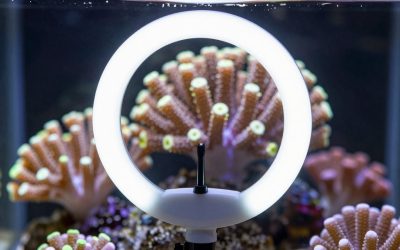
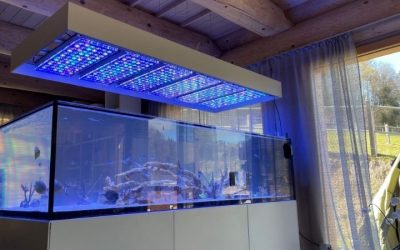
Buyers often judge a light by wattage, lumens or Kelvin, but none of those measure the usable light corals absorb, which is PAR. A bright-looking or high-wattage fixture can still fall short of the PAR corals need at their depth, so the specs mislead. Reef ambitions built on the wrong number end in disappointment.
So judge a light by its PAR at the coral’s placement, and be ready to upgrade if the stock fixture falls short. For fish or hardy softies a modest light suffices, while LPS and SPS need more. Matching real PAR to the coral goal, rather than trusting watts, is the key light decision.
Chamber Names Are Not Compatibility
All-in-one tanks describe their rear chambers and accessories with model-specific names, and buyers sometimes assume parts or media fit by name alone. A chamber or caddy for one series may not suit another, so matching by name rather than the exact model leads to accessories that do not fit. Compatibility is by model, not label.
So confirm any media, caddy or accessory lists your exact tank before buying, rather than trusting a familiar name. A near-fit generally fails, wasting money. Checking the exact model against the compatibility list is the simple habit that keeps upgrades and replacements working as intended.
What These Mistakes Look Like in Practice
On the shelf these errors look like reasonable assumptions; in the tank they show up as overstocking, a stalled setup, corals that fail to thrive, or parts that do not fit. The table maps each factor to a sensible norm, the warning sign and the fix, so you can catch a mistake before it becomes a purchase.
| Factor | Normal Range | Watch-out Threshold | What to Do |
|---|---|---|---|
| Volume | Display volume as the guide | Reading system total as space | Confirm the display volume |
| Included gear | Tank plus filtration | Assuming AIO includes all | Read the SKU; budget the rest |
| Light | Coral-capable if PAR suits | Trusting watts or Kelvin as PAR | Check PAR at the coral’s depth |
| Compatibility | Parts matched by model | Matching by chamber name | Confirm your exact model fits |
Overstocking on the Wrong Number
The classic mistake is stocking to the headline gallons, then finding the tank crowded because that figure was system volume. The rear chambers hold water that never adds swimming space, so the display is smaller than assumed, and the bioload overwhelms it. Crowding then undermines the stability the tank could have offered.
The fix is to stock by the display volume, not the total, keeping the bioload modest for the real space. Confirming that figure before buying and stocking prevents the crowding. A tank stocked to its true capacity stays stable, while one filled to the headline number rarely does.
A Stalled, Incomplete Setup
Assuming the AIO label meant a complete kit, some buyers reach launch day missing a heater, salt or a top-off, and the setup stalls. The tank cannot run stably without those essentials, whatever the box implied, so the excitement turns into a scramble for parts. The gap was hidden in the word all-in-one.
The fix is to read the SKU and budget the missing essentials before buying, treating the tank as the core rather than the whole. A short list of what it omits, checked against what a marine tank needs, prevents the stall. Preparation, not the label, is what makes a launch smooth.
Corals That Fail Under a Weak Light
Buyers who judged the light by wattage sometimes add corals that then fail to thrive, because the fixture never delivered the PAR those corals needed. The light looked adequate on paper, but watts and Kelvin do not measure usable output, so the corals slowly decline. The disappointment traces back to the wrong number.
The fix is to judge light by PAR at the coral’s depth and match the coral choice to it, upgrading if needed. Starting with corals suited to the real light, and improving the fixture for more demanding species, avoids the decline. PAR, not wattage, is what keeps corals healthy.
Accessories That Do Not Fit
Assuming compatibility by chamber name, some buyers order a caddy, media basket or bracket that does not fit their exact model, wasting the purchase. A name shared across a range does not guarantee the part suits every size, so a near-fit fails. The accessory looked right but was matched on the wrong basis.
The fix is to confirm the exact model on the compatibility list before buying any accessory. A quick check against the fit list turns a guess into a certainty, since compatibility is by model, not name. That habit keeps upgrades and replacements working rather than returning to the shelf.
Frequently Asked Questions
Buyers ask what the most common all-in-one mistake is, whether AIO means everything is included, how to judge the light, and whether the headline gallons are the real volume. Each answer gives the practical rule first, then the detail that adjusts it for your tank.
What is the most common all-in-one mistake?
Reading the system volume as display volume, then overstocking a tank that has less swimming space than the headline suggests. The rear chambers hold water that never adds room, so the display is smaller than the total. Stocking to the wrong figure crowds the tank and undermines its stability.
The remedy is to confirm the display volume before stocking and keep the bioload modest for that real space. Knowing which figure governs livestock prevents the crowding. It is a small check that avoids the single most frequent all-in-one buying error. Reading the display figure first keeps stocking honest from the start.
Does AIO mean everything is included?
No, the label refers to integrated filtration, not a complete kit. A heater, RODI water, salt and often an auto top-off are separate, and contents vary by model, so assuming completeness leads to a stalled setup. The tank is the core of the system rather than the whole of it.
Read the exact SKU and list what it omits before buying, since two tanks with the same label can ship differently. Budgeting the missing essentials up front prevents surprise costs and a launch-day scramble. Treating AIO as filtration, not a full kit, keeps expectations accurate.
How should I judge the light?
By its PAR at the coral’s placement, not by wattage, lumens or Kelvin, since those describe the fixture rather than the usable light corals absorb. A bright-looking light can still fall short for corals at depth. For fish or hardy softies a modest light suffices, while LPS and SPS need more.
So check the PAR the light delivers where the corals sit, and be ready to upgrade if the stock fixture is weak. Matching real PAR to the coral goal is the key light decision. Judging by watts is the mistake that leaves reef ambitions unmet. PAR at depth, not the wattage on the box, is what corals respond to.
Are the headline gallons the real volume?
Not for stocking, since an all-in-one’s headline figure is usually system volume, which includes the rear chambers. The display volume you actually stock is less, sometimes noticeably so in a nano. Reading the total as swimming space overstates the tank’s real capacity for fish and corals.
Confirm the display volume specifically when judging capacity, and use the total only for understanding stability. Knowing which figure to read keeps stocking realistic. The headline gallons matter, but the display figure is the one that governs what you can keep.
Final Thoughts
Almost all the common mistakes when buying an all in one saltwater tank come from trusting the box: reading system volume as display, assuming the label means a full kit, and judging light by watts. Confirm the display volume, budget the missing gear, judge light by PAR, and match parts by model, and the traps fall away.
Best Plug and Play Reef Tank for Beginners: Top Picks
Best Budget Protein Skimmer: Top Expert Picks for Beginners