Last Updated: September 27, 2026

OCTOPUS AUTOMATIC SKIMMER NECK CLEANER 150
Included for 'Best Protein Skimmer Maintenance and Cleaning Kit: Top Smart' as a relevant option in this category; details come from the product listing.
View on Amazon
Reef Octopus Automatic Neck Cleaner 250
Included for 'Best Protein Skimmer Maintenance and Cleaning Kit: Top Smart' as a relevant option in this category; details come from the product listing.
View on Amazon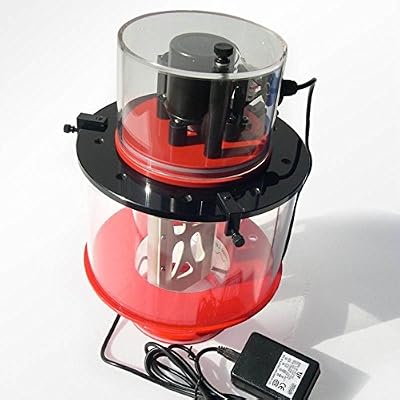
Reef Octopus OCTO Protein Skimmer Cleaner-200 Neck Cleaner
Included for 'Best Protein Skimmer Maintenance and Cleaning Kit: Top Smart' as a relevant option in this category; details come from the product listing.
View on Amazon
Reef Octopus Automatic Neck Cleaner 200
Included for 'Best Protein Skimmer Maintenance and Cleaning Kit: Top Smart' as a relevant option in this category; details come from the product listing.
View on AmazonSkimmer bodies collect mineral scale that scrubbing alone will never shift properly. The best protein skimmer maintenance and cleaning kit combines citric acid at a documented concentration with brushes that reach the neck and venturi. Four options compared below, priced in September 2026.
As an Amazon Associate we earn from qualifying purchases.
By David Nguyen
How to Choose a Protein Skimmer Cleaning Kit
Four considerations decide the purchase: what the package actually contains, which concentration the relevant manual specifies, whether the chemistry suits your particular pump and seals, and whether a bundle genuinely saves money against buying each of the components separately.
Understand What Citric Acid Actually Does
Citric acid dissolves the mineral and calcium deposits that build up inside skimmer bodies, necks and pump housings, while brushes remove the loosened residue afterwards. The two jobs are sequential rather than interchangeable, which is exactly why complete kits pair them together.
Neither step replaces mechanical inspection of the impeller and venturi, where wear and blockage occur independently of scale. Dismantle the pump during any deep clean and examine those components directly, because a chemically clean body can still house a quietly failing impeller.
Concentrations Vary Between Sources
Published mixing instructions genuinely differ, which surprises owners reading two sources. The BRS product page specifies 2 ounces of citric acid per quart of RODI water, while the BRS 2026 guide expresses the same product as one cup per gallon, which is roughly 6 percent by weight.
Manufacturer manuals differ again, with NYOS specifying 10 percent citric acid for stubborn scale on Quantum bodies. Use the concentration published for the exact product and procedure you are following rather than collapsing all three of them into any one single universal recipe.
Check Chemistry Against Your Equipment
Detergents are the common mistake, and NYOS explicitly directs owners away from them for Quantum cleaning, recommending tap water with 10 percent citric acid for hard deposits followed by thorough rinsing. Residual detergent inside a skimmer body is genuinely difficult to remove completely.
Seals deserve separate attention, since NYOS recommends treating rubber seals with silicone grease on a regular basis. Acid soaking strips lubricant from those surfaces, so build regreasing into the routine rather than discovering a stiff or a leaking seal several months afterwards.
Price the Bundle Against Separate Parts
Bundles are convenient rather than automatically cheaper, so run the arithmetic. The BRS Pump Cleaning Bucket Bundle costs 44.99 USD, set against 27.99 USD for 64 ounces of citric acid plus 9.99 USD for the OXO brush set, which totals 37.98 USD before adding any bucket or lid at all.
That makes the bundle premium exactly 7.01 USD for the container, the lid and the convenience of a single order. Cost per mix matters too, since 32 ounces of citric acid at 13.99 USD produces roughly four gallons at the one-cup-per-gallon ratio, working out around 3.50 USD per gallon.
Top Cleaning Picks
Four options here cover complete bundles, bulk chemistry and brushes purchased individually. Published contents and September 2026 pricing throughout, alongside the limitation that decides whether each one genuinely suits your own skimmer and your own particular maintenance routine.
| Product | Best For | Key Spec | Watch Out For |
|---|---|---|---|
| BRS Pump Cleaning Bucket Bundle | Complete cleaning setup | Bucket, lid, 64 oz acid, brushes, 44.99 USD | 7.01 USD bundle premium |
| BRS Citric Acid 32 oz | Refilling chemistry | 13.99 USD, about four gallons mixed | Two published ratios |
| Sicce Pump Clean | Ready-mixed convenience | 32 oz, citric acid based, 29.99 USD | Costs more per ounce |
| OXO Small Maintenance Brush Set | Necks and venturi | 9.99 USD brush set | No chemistry included |
BRS Pump Cleaning Bucket Bundle, Best Overall
At 44.99 USD this bundle supplies a five gallon bucket with lid, 64 ounces of citric acid and the OXO brush set, which covers an entire deep clean without assembling parts from separate orders. The bucket doubles as the soaking vessel, which is the component that people improvise worst of all.
It is marketed for aquarium equipment generally rather than exclusively for skimmers, so nothing about it is shaped around one particular skimmer body. The 7.01 USD premium over buying the acid and brushes separately buys you the container, the lid and the convenience of a single delivery.
BRS Citric Acid 32 oz, Best for Refilling
At 13.99 USD for 32 ounces, this is easily the economical way to restock once you already own a bucket and brushes. Mixed at the one-cup-per-gallon ratio published in the 2026 guide, it makes roughly four gallons of finished solution, working out at near 3.50 USD for each gallon.
The two published ratios are the thing to watch, since the product page specifies 2 ounces per quart while the guide expresses one cup per gallon. Follow whichever one matches the procedure you are actually using, and never mix guidance from two different sources partway through a clean.
Sicce Pump Clean, Best Ready-Mixed Option
This 32 ounce citric-acid-based equipment cleaner costs 29.99 USD and arrives entirely ready to use, which removes the measuring and mixing step entirely. For owners who clean only infrequently and dislike handling bulk powder at all, that convenience does carry some genuine value.
Cost per ounce is the obvious trade here, since the same money buys considerably more cleaning capacity in bulk citric acid form. It suits occasional maintenance rather than a household running several pumps, reactors and skimmers through regular soaking cycles every single month.
OXO Small Maintenance Brush Set, Best Brushes
At 9.99 USD the OXO brush set covers the narrow passages that matter most, reaching necks, venturi ports and pump housings where loosened scale otherwise stays put. Buying brushes alone makes sense when you already hold the chemistry and simply need rather better physical access.
No cleaning solution is included at all, so this remains a component rather than a complete kit. Pair it with citric acid at the concentration your manual specifies, and keep the brushes dedicated to aquarium use so that no detergent residue ever transfers across from household cleaning tasks.
Frequently Asked Questions
Four questions come up repeatedly around skimmer cleaning: how often to do it, what concentration to mix, whether household cleaners are ever acceptable, and how to handle the seals and pumps. Direct answers below, along with the exceptions that are genuinely worth knowing beforehand.
How Often Should You Deep Clean a Skimmer?
Cup and neck cleaning happens considerably more often than body cleaning, and the interval depends on bioload rather than the calendar. Published guidance commonly suggests checking the cup and neck every few days, with full body and pump cleaning falling on a considerably longer cycle.
Treat any published interval as conditional rather than fixed, since a heavily fed system fouls considerably faster than a lightly stocked one. Let skimmate production and visible film guide the schedule, and deep clean whenever the foam behaviour changes without any obvious cause.
What Concentration Should You Mix?
Use whichever one the relevant source publishes for that product and that particular job. BRS lists 2 ounces per quart on the product page and one cup per gallon in its 2026 guide, while NYOS separately specifies 10 percent citric acid for stubborn scale on its own Quantum bodies.
Those figures are not interchangeable, and averaging them simply produces a mixture that nobody has ever tested. Pick the manual or guide you are following, mix exactly what it states, then rinse everything thoroughly afterwards regardless of which concentration you eventually used.
Can You Use Household Cleaners Instead?
No, and NYOS explicitly directs owners away from detergent entirely when cleaning a Quantum, recommending instead tap water and 10 percent citric acid for any hard deposits. Detergent residue is genuinely difficult to rinse completely out of a skimmer body and out of its pump housing.
Vinegar appears frequently in forum advice and is considerably weaker than the published citric acid concentrations recommended for the same job. Where a manual specifies a chemistry, follow it, since equipment warranties and seal materials have both been assessed against exactly those instructions.
What About Seals and the Pump?
Seals need fresh lubricant after acid soaking, and NYOS recommends treating rubber seals with silicone grease regularly. Acid strips existing lubricant, so regreasing belongs in the routine rather than being remembered only once a seal stiffens or else starts leaking quite noticeably.
The pump deserves a mechanical inspection alongside the chemical clean, since impeller wear and venturi blockage develop independently of scale buildup. Dismantle it during any deep clean and check those parts directly rather than assuming that a long soak has resolved everything.
Final Thoughts
Match the concentration to your manual, pair acid with brushes that reach the neck, and price bundles honestly. The best protein skimmer maintenance and cleaning kit remains the BRS bucket bundle for a complete setup, with bulk citric acid and the OXO brushes covering later refills.
Best Calcium Reactor for a First Reef Tank: Top Expert Guide
Best All in One Saltwater Tank for Beginners: Top Ultimate