Last Updated: September 27, 2026
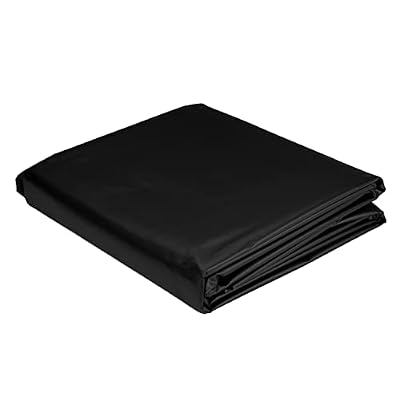
TotalPond 7 x 10 ft. PVC Pond Liner, For Ponds up to 200 Gallons, 14.5 mil, Flexible and Easy to Install, Durable and Strong Reinforced Mesh Weave, UV and Tear Resistant, Multi-Purpose Use, Black
Included for 'Best Pond Liner for a First Pond: Top Expert Buying Guide' because the listing specifies For Ponds up to 200 Gallons and 14.5 mil, details this guide uses to compare options.
View on Amazon
VIVOSUN 13.5 x 20 Feet Pond Liner for Koi Ponds, Aquaculture and Gardens
Included for 'Best Pond Liner for a First Pond: Top Expert Buying Guide' because the listing specifies Aquaculture and Gardens, details this guide uses to compare options.
View on Amazon
UWIOFF Pond Liner, 20 Mil HDPE Pond Liners for Outdoor Ponds, 7 x 10 FT
Included for 'Best Pond Liner for a First Pond: Top Expert Buying Guide' because the listing specifies 20 Mil HDPE Pond Liners for Outdoor Ponds and 7 x 10 FT, details this guide uses to compare options.
View on AmazonFirst projects fail on measurement and handling rather than material quality. The best pond liner for a first pond forgives an imperfect excavation, arrives light enough to position alone, and states its fish scope clearly. Four sheets compared below, priced in September 2026.
As an Amazon Associate we earn from qualifying purchases.
By David Nguyen
How to Choose Liner for Your First Pond
Four considerations matter more than brand preference on a first build: whether the published gallon example matches your geometry, how much overlap the installation needs, whether one person can manoeuvre the sheet, and whether the material suits the fish you intend to keep later.
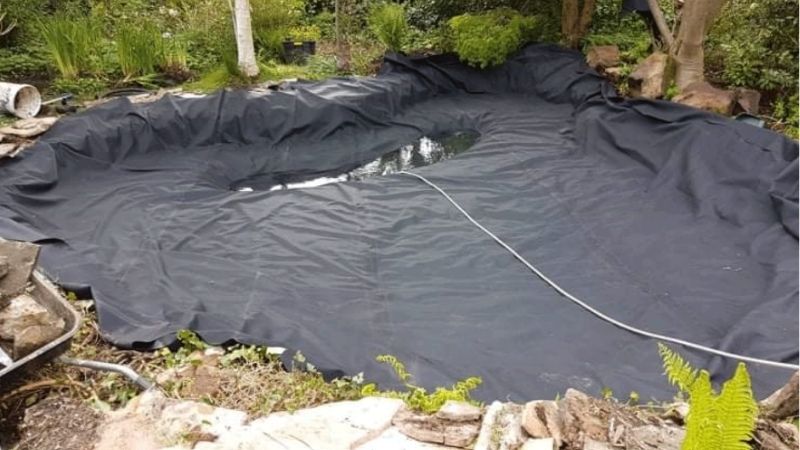
Treat Gallon Labels as Geometry Examples
Manufacturers illustrate liners against particular excavations, not universal capacities. smartpond describes its 7 by 10 foot sheet against a pond holding around 200 gallons, and its 10 by 13 foot sheet against roughly 600 gallons, each assuming a specific depth, footprint and edge treatment.
Your excavation almost certainly differs, so measure length, width and maximum depth, then size from those figures. Adding twice the depth plus a foot to each dimension provides a workable requirement, and the published gallon example becomes a sanity check rather than the decision.
Plan Overlap Before Ordering
Installation guidance commonly suggests roughly ten to eighteen inches of liner extending beyond the pond edge, depending on edging style and how the surrounding ground slopes. That overlap anchors the sheet beneath stone and prevents soil washing behind it during heavy rainfall.
Treat that range as context rather than regulation, because a raised rock edge consumes considerably more material than a turf edge. Ordering a size above your calculated minimum costs little compared with discovering the liner finishes level with the rim on the installation day itself.
Weight and Handling on Your Own
Physical handling decides many first installations. smartpond publishes its 7 by 10 foot HDPE sheet at approximately 7 pounds, which one person positions comfortably, whereas 45 mil EPDM of similar area weighs substantially more and generally requires a second pair of hands to position safely.
Consider access as well as weight, since carrying a folded sheet through a narrow gate differs from unrolling it beside the excavation. Laying any liner in warm sunshine for an hour beforehand relaxes the material and makes seating it against the walls noticeably easier afterwards.
Material and Fish Scope
Beginners are frequently told EPDM installs most easily, though that depends heavily on pond shape and the installer. Rubber conforms to curves readily, while HDPE and PVC hold their shape and weigh less, which suits simple geometries and solo installation better than rubber does.
Fish intentions decide the rest. smartpond describes its PVC sheet as fish-safe with a published 20 year warranty, and pond-grade EPDM carries explicit pond wording, so confirm the manufacturer’s statement before stocking rather than assuming any inexpensive sheet suits livestock.
Top Picks
Four sheets covering realistic first projects, from a seven pound starter liner to pond-grade EPDM. Every entry lists published dimensions, thickness where stated, and September 2026 pricing, alongside the limitation that decides whether it genuinely suits a beginner’s excavation.
| Product | Best For | Key Spec | Watch Out For |
|---|---|---|---|
| smartpond HDPE 10×13 | A typical first pond | 69.99 USD, illustrated to a 600 gallon example | Example geometry only |
| smartpond HDPE 7×10 | The smallest builds | 49.99 USD, 7 lb sheet, 200 gallon example | Little trimming margin |
| smartpond PVC 13×20 | Stocked first ponds | 14.5 mil, 97.01 USD, 20 year | Oversized for tiny ponds |
| PondGard 10×12 | Curves and shelves | 45 mil EPDM, 110.40 USD | Heavier to position |
smartpond HDPE 10×13, Best Overall Starter
At 69.99 USD, this 10 by 13 foot HDPE sheet is illustrated against a pond of roughly 600 gallons, which covers the majority of first excavations. The size leaves reasonable trimming margin on a modest pond without forcing you into considerably more expensive rubber at this stage.
HDPE holds its shape, so tight curves and stepped planting shelves demand more pleating than rubber requires. Run your own measurements against the formula first, because that 600 gallon figure describes the manufacturer’s example geometry rather than the particular hole in your own garden.
smartpond HDPE 7×10, Best Smallest Build
At 49.99 USD and approximately 7 pounds, this 7 by 10 foot sheet is illustrated against ponds near 200 gallons and remains genuinely manageable alone. For a container pond, a small wildlife feature or a first experiment, it keeps the entire project genuinely inexpensive from the start.
Margin is the obvious constraint, since 70 square feet disappears quickly once overlap is included around every edge. Anything beyond a compact shallow basin outgrows this sheet immediately, and running short means either an avoidable seam or purchasing a second liner entirely, which doubles the material cost.
smartpond PVC 13×20, Best for Stocked Ponds
This 14.5 mil PVC sheet at 97.01 USD combines explicit fish-safe wording with a published 20 year warranty, which suits a first pond intended for goldfish from the beginning. The 13 by 20 foot area also provides generous margin for an imperfect first excavation and its planting shelves.
The trade is waste and thickness, because a small first pond will leave considerable offcut, and 14.5 mil demands careful clearing of stones and roots beforehand. Underlayment therefore matters more here than on the thicker rubber alternative sitting immediately above it in price.
PondGard 10×12, Best for Curves and Shelves
At 110.40 USD this 45 mil EPDM sheet conforms to curved walls and planting shelves without the creasing stiffer materials produce, which helps on a first pond designed with soft, natural contours. Pond-grade rubber also arrives with unambiguous pond application wording on its packaging.
Weight is the honest drawback, as rubber at this thickness is awkward for one person to position across an excavation. Budget for assistance on installation day, and remember that a heavier sheet dragged over the edge collects exactly the punctures that underlayment exists to prevent.
Frequently Asked Questions
Four questions dominate first builds: which material suits a beginner, how much extra sheet to buy, whether underlayment is genuinely necessary, and when to install. Direct answers below, followed by the situations that change each recommendation noticeably on a particular garden site.
Which Material Is Easiest for a Beginner?
It depends on your pond rather than the material alone. EPDM conforms to curves with minimal pleating, while lighter HDPE and PVC sheets are considerably easier to carry and position alone, which matters a great deal when nobody else is available to help you out on installation day.
Simple rectangular excavations with gentle walls suit the lighter materials perfectly well. Complicated shapes with shelves and undercuts reward rubber’s elasticity, so match the material to your design rather than accepting a blanket recommendation about beginner-friendliness found online.
How Much Extra Liner Should a Beginner Order?
Size from geometry, then add margin deliberately. Common installation guidance leaves roughly ten to eighteen inches beyond the pond edge, and a first-time installer benefits from the upper portion of that range because excavations rarely finish exactly as they were originally drawn.
Surplus trims away in minutes with scissors once the pond is filled and settled. Falling short creates either a seam, which becomes the likeliest future leak point, or a completely new purchase, so the cheaper error is consistently ordering slightly too much material at the outset.
Is Underlayment Necessary on a First Pond?
Yes, particularly beneath thinner sheets. Underlayment absorbs concentrated pressure from stones and roots that would otherwise press against a 14.5 or 20 mil liner, and it costs far less than draining an established pond to locate a single puncture two or three summers afterwards.
Sand serves adequately on flat bases but migrates down steeper walls, which is precisely where punctures usually begin. Purpose-made underlayment stays in position on slopes, and old carpet holds moisture permanently against the liner, so treat old carpet as a genuine last resort.
When Is the Best Time to Install?
Warm, dry weather makes every material more cooperative, since liner relaxes in sunshine and seats against the walls without fighting back. Spring installation also aligns with wider stock availability and gives plants an entire season to establish before the first winter arrives.
Cold installation is possible with patience, though stiff material resists pleating and the risk of creasing rises considerably. If the schedule cannot move, unroll the sheet somewhere sheltered and sunny for an hour beforehand, then work steadily from the deepest point outward instead.
Final Thoughts
Measure the excavation, add the overlap you actually need, then choose a sheet you can position without assistance. The best pond liner for a first pond is the smartpond 10 by 13 HDPE for most builds, with PondGard 10×12 wherever curves and planting shelves dominate the finished design.
Related Reviews & Guides

Best Aquarium Chiller for Freshwater Tanks: Proven Top Picks
Best Aquarium Controller for a Freshwater Tank: Top Picks