Last Updated: October 21, 2026
Space is the currency on a small tank, so the best aquarium overflow box for a nano reef tank is the least intrusive one that still handles your return flow — judged on physical footprint, delivered flow, drain architecture, and the display space it costs you.
As an Amazon Associate we earn from qualifying purchases.
By David Nguyen
How to Choose an Overflow Box for a Nano Reef
On a nano, every inch of display matters, so weigh these overflows by intrusion first. Rank the physical footprint, then the delivered return flow you actually need, the drain architecture, and the display-space penalty — and ask first whether a separate sump is needed at all.
Physical Footprint
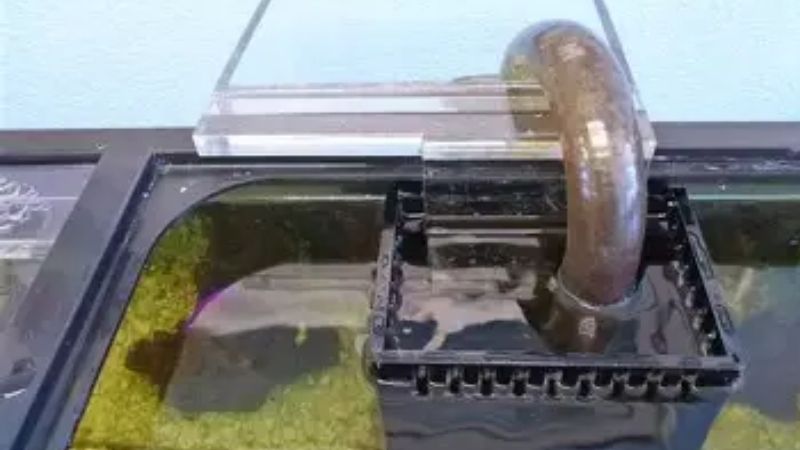
Footprint is the deciding trait on a nano reef. The Eshopps PF-Nano is a compact 4-by-2.5-by-8-inch hang-on box, the Fiji Cube EOF-4 uses a low-profile family with a roughly 1.25-inch wet-side depth, and the Xaqua INOUT avoids a traditional internal partition altogether.
Match that footprint to a tank measured in inches, not feet. On a 10 or 20 gallon display, a bulky box steals aquascape room and light, so the smallest unit that still covers your flow usually wins over a larger one bought purely for a higher rating.
Delivered Return Flow
Nano return flow is modest, so capacity is rarely the constraint. A three-to-five-times guideline gives a 20 gallon about 60 to 100 GPH and a 10 gallon roughly 30 to 50 GPH, well under what any box here can pass, so most cover that load easily, with real capacity to spare.
That means the 200-GPH PF-Nano already clears a nano return with room to spare, and the 400-GPH Fiji or 660-GPH Xaqua add ceiling you will not use. Do not convert excess capacity over a 100-GPH example into a safety score; it is unused headroom, not protection.
Drain Architecture
Drain style drives reliability and upkeep on small systems. The PF-Nano and CPR CS50 use siphon-based hang-on designs — a small U-tube and a continuous siphon respectively — that avoid drilling but need a clean, well-maintained siphon path to stay safe over time.
The Fiji EOF-4 and Xaqua INOUT are drilled, trading a hole in the tank for quieter, more reliable operation. On a nano, weigh whether you can drill a small display safely, or prefer a hang-on siphon and accept the maintenance that architecture requires day to day.
Display-Space Penalty
Some boxes cost display space and budget in ways the sticker hides. The CPR CS50 lists near under $150, but the Deluxe at about $200 adds a lid and an Aqua-Lifter pump, so the base and Deluxe SKUs are simply not the same purchase despite carrying one shared product name.
The PF-Nano’s open-box price near under $80 is likewise not normal retail; its regular reference is about $90 as of 09/2026. Weigh the true display-space penalty and the real SKU you are buying, since a nano has no room for a box bigger or costlier than the tank needs.
Top Picks
These four nano overflows are ranked by how little they intrude while still passing a small tank’s flow. Each lists verified specs, a relative price tier, and the drawback that matters most when display space and a clean siphon path are the real constraints on the build.
| Product | Best For | Key Spec | Watch Out For |
|---|---|---|---|
| Eshopps PF-Nano | Best overall | 200 GPH HOB U-tube; 4×2.5×8 in; 10–20 gal | Open-box price is not normal retail |
| Fiji Cube EOF-4 | Best for a low-profile drill | 400 GPH drilled; ~1.25-in wet side | Drilling; sale price varies |
| Xaqua INOUT | Best for combined return | Up to 660 GPH; no internal partition | Different architecture; drilling |
| CPR CS50 | Best for continuous siphon | 300 GPH HOB; ~6-in width | Deluxe and base SKUs differ |
Eshopps PF-Nano
The Eshopps PF-Nano is the nano overall pick because it right-sizes intrusion: a compact 4-by-2.5-by-8-inch hang-on rated 200 GPH with a three-quarter-inch bulkhead and guidance for 10 to 20 gallon tanks. For a small display, its low footprint is exactly the point.
Priced around $75 open-box, with a regular reference near under $90 as of 09/2026, note the open-box figure is not standard retail. Its small U-tube needs a clean siphon path to run safely, so plan light maintenance in exchange for the smallest footprint in this group.
Fiji Cube EOF-4
The Fiji Cube EOF-4 is the low-profile drilled option, a 400-GPH external overflow with a slim roughly 1.25-inch wet-side profile that ships with a template and diamond holesaw. For a nano keeper willing to drill, it keeps display intrusion low while running quietly.
At about $125 on sale or under $150 regular as of 09/2026, the sale price is time-sensitive and drilling is required. Its 400-GPH ceiling far exceeds a nano’s needs, so buy it for the clean low-profile design, not the rating you will never actually approach.
Xaqua INOUT
The Xaqua INOUT is the combined-return pick, a drilled unit rated up to 660 GPH that merges overflow and directional return and skips a traditional internal partition. That different architecture can free display space a conventional box would occupy on a small tank.
Around $100 to under $100 currently as of 09/2026, it requires drilling and works differently from a dedicated multi-drain overflow. Its high rating is irrelevant to nano flow, so choose it for the space-saving combined design rather than the 660-GPH number on the listing.
CPR CS50
The CPR CS50 is the continuous-siphon choice, a 300-GPH hang-on with a three-quarter-inch bulkhead and roughly six-inch width. Its continuous-siphon design avoids drilling and suits a keeper who prefers a hang-on box to boring a small, valuable display panel.
The base unit lists near under $150, while the Deluxe at about $200 adds a lid and an Aqua-Lifter as of 09/2026. Confirm which SKU you are buying, since the contents differ, and factor the siphon upkeep a continuous-siphon design requires to stay reliable on a nano.
Frequently Asked Questions
Nano keepers ask a familiar set of questions before adding an overflow to a small reef. Each answer opens with the practical call, then the condition that changes it, so you can weigh footprint and flow against a tank measured in a handful of gallons.
What spec should decide this purchase?
Physical footprint should decide it, because on a nano the box competes directly with your aquascape and lighting. Choose the smallest unit that still passes your modest return flow, since intrusion, not raw capacity, is the constraint that actually limits a small reef.
After footprint, weigh drain architecture and the display-space penalty. A clean siphon or a drilled low-profile box that fits the tank beats a larger unit bought for a rating no nano will use, and the real SKU and its true price belong in that judgment too.
Which numbers are hard facts and which are heuristics?
Box dimensions, bulkhead sizes, GPH ratings and September 2026 prices are hard facts, though the PF-Nano’s open-box figure is not standard retail. The three-to-five-times turnover range, giving roughly 30 to 100 GPH here, is a planning heuristic rather than a fixed requirement.
So use the footprint and price facts precisely, and treat the flow multipliers as guides. Excess capacity over a nano’s 100-GPH-or-less need is unused headroom, not a safety margin, so do not let a big rating justify a box that crowds a small display.
Is the highest headline number always better?
No, and on a nano it is often worse. A 660-GPH rating means nothing to a tank returning 60 to 100 GPH, and a larger box simply steals display space and light while measured differently across brands anyway. Footprint and fit matter far more here on a small reef display.
The right nano pick is the smallest one that clears your flow with a clean drain path. Let footprint, architecture and the real SKU decide, and treat any capacity beyond a nano’s modest need as irrelevant to the choice rather than a point in its favor.
When might the reader not need this?
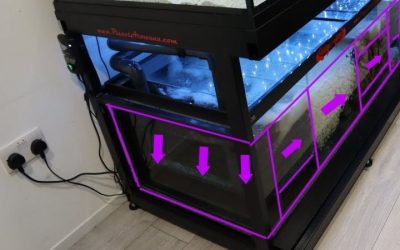
Many nano reefs do not need an add-on overflow at all. An all-in-one nano with adequate rear chambers and no plan for an external sump already handles overflow internally, so bolting on a box adds intrusion and maintenance for no real gain on the tank.
An overflow earns its place only when you are committing to a separate sump the tank cannot house internally. Confirm that plan first, because on a small reef the least intrusive solution is often no extra box, just the chambers the display already provides.
Final Thoughts
For a small reef, the best aquarium overflow box for a nano reef tank is the least intrusive one that still passes your modest return flow, with a drain path you can maintain. Size to footprint over capacity, confirm the real SKU and price, and skip an add-on box if an all-in-one already handles overflow internally.
Best Budget Protein Skimmer: Top Expert Picks for Beginners
Best Calcium Reactor for a Nano Reef Tank: Top Expert Guide