Last Updated: October 21, 2026
Value in an all-in-one is the whole cost to get running, so the best all in one saltwater tank for the money is judged by its price plus the gear it still needs, since a cheap tank that omits the light, heater and top-off can cost more than a dearer one that includes them.
As an Amazon Associate we earn from qualifying purchases.
By David Nguyen
How to Choose an All-in-One Saltwater Tank for the Money
An all-in-one’s price is only part of the cost, because what it leaves out, a light upgrade, heater, top-off or powerhead, adds up quickly. Real value is the total to get the tank running as you intend, plus how stable and well-supported it is. Weigh included gear and volume per dollar first, then support and parts.
Count What’s Included, Not Just Price
The honest value comparison adds the tank price to the gear it still needs to run. A cheap tank missing a suitable light, heater and top-off can cost more once those are bought than a dearer model that bundles them. Total the whole setup before ranking on price.
So read each SKU’s contents carefully, since two tanks at similar prices can include very different gear. A model that ships a capable light and is ATO-ready front-loads costs you would otherwise add. Comparing complete-to-run cost, not the sticker, is what reveals which tank is actually the better value.
Volume and Stability per Dollar
Value is not only about gear but about the stable volume you get for the price, since a steadier tank is easier and cheaper to keep alive. A little more water forgives mistakes and reduces losses. Weigh how much usable display volume each dollar buys, remembering system volume overstates it.
A slightly larger, stabler nano can be better value than the cheapest tiny tank if it prevents costly swings and livestock losses. Balance that against space and running needs, since bigger also costs more to stock and maintain. The best value is the volume that fits your goal while staying easy to keep stable.
Support and Parts Availability
A well-supported model is cheaper to own over time, since spares, upgrades and advice are easy to find when needed. A popular tank like the Fusion 15 has a large community and readily available accessories. That support is part of value, even if it never shows on the price tag.
An orphaned bargain can cost more later when a part fails or a question stalls the tank, so availability matters. Choosing a model with an active community and stocked accessories protects the investment. For value, weigh how easy the tank is to maintain and upgrade, not just what it costs on day one.
Match Spend to Your Goal
The best value depends on what you intend to keep, since a fish-only tank needs far less than a coral reef. Paying for a reef-grade light on a fish tank is wasted value, while skimping on light for corals costs more in a forced upgrade. Match the spend to the goal so you neither overbuy nor underbuy.
Decide fish-first or reef-first before comparing prices, so the value math reflects what you will actually run. A more complete reef tank can be better value for a reefer, while a simple integrated tank wins for a fish keeper. Aligning the purchase with the plan is what makes any price the right one.
Top Picks
These four are ranked on value, price plus the gear needed to run as intended, along with volume and support. Specs are manufacturer-stated and prices change, so confirm current figures and total the complete-to-run cost. The right pick depends on whether you keep fish or corals.
| Product | Best For | Key Spec | Watch Out For |
|---|---|---|---|
| Fluval EVO 13.5 | Lowest complete-to-run cost | 13.5 gal; light and filter included | Basic light for corals |
| IM Fusion 15 | Value plus strong support | ~225 sq in; under $100 | Add heater and ATO |
| Waterbox AIO 15 | More volume per dollar | ~272 sq in base | Verify what’s included |
| Red Sea MAX NANO G2 | Fewest add-ons for a reef | ReefLED G2 60; ATO-ready | Higher upfront cost |
Fluval EVO 13.5 — Lowest Complete-to-Run Cost
For a fish or softie tank, the Fluval EVO 13.5 often wins on value because its low price includes a light and filtration that suffice for that goal, keeping the complete-to-run cost down. Fewer add-ons are needed to start. For a modest goal it is hard to beat on total cost.
Its basic light limits corals beyond softies, so a reef plan erodes the value through a light upgrade. Add a heater and top-off to complete it. As the lowest complete-to-run option for fish or softies, it is the value pick when the ambitions stay modest and the goal is kept simple.
IM Fusion 15 — Value Plus Support
The Fusion 15, near 225 square inches and around $100, pairs a fair price with a large community and readily available accessories. Problems become quick, cheap fixes, and upgrades are easy to source. That support adds real value beyond the sticker for a keeper who plans to stay in the hobby.
Plan to add a heater and an auto top-off, since these are separate, and factor them into the total. Its popularity keeps those additions affordable and available. As a well-supported, sensibly priced nano, it offers strong value for a keeper who values easy maintenance and a path to help.
Waterbox AIO 15 — More Volume per Dollar
The Waterbox AIO 15, near 272 square inches, offers more stable volume for the price, which is value in the form of easier, cheaper husbandry. The extra water forgives mistakes and reduces losses, and the tidy build is pleasant to run. For a keeper who prizes stability per dollar, it makes a strong case.
Verify the SKU’s contents, since a light and top-off may be extra and change the total, and confirm the light suits your goal. Budget the additions honestly. Completed sensibly, it delivers good volume and stability for the money, especially for a keeper who wants a steadier tank without the top-tier price.
Red Sea MAX NANO G2 — Fewest Add-Ons
For a reef, the MAX NANO G2 can be the value pick despite its higher price, because it includes a capable ReefLED and is ATO-ready, sparing the add-ons a cheaper tank would need. Counting the light and top-off it saves, its complete-to-run cost for a reef narrows against seemingly cheaper options. It front-loads value for a reefer.
For a fish-only goal it is more than needed, so the value case rests on keeping corals. Confirm it suits your plan before paying the premium. As the tank with the fewest reef add-ons, it offers genuine value to a keeper who would otherwise buy a light and top-off separately anyway.
Frequently Asked Questions
Value-minded buyers ask what makes an AIO good value, whether the cheapest tank is best, what hidden costs to expect, and if a pricier tank can save money. Each answer gives the practical rule first, then the condition that adjusts it for your goal. Total the complete-to-run cost and the value pick stands out.
What makes an all-in-one good value?
A low total cost to get running as you intend, not just a low sticker, since AIO does not mean everything is included. A tank that bundles a suitable light, heater and top-off can beat a cheaper one that omits them once those are bought. Total the complete-to-run cost before deciding which is the better value.
Stability and support add value too, since a steadier tank and available parts lower the cost of keeping it alive. Read each SKU’s contents, weigh volume per dollar, and check the model is well supported. The best value balances included gear, stability and support against the price.
Is the cheapest tank the best value?
Not usually, because the cheapest tank often omits gear you must then buy, raising the complete-to-run cost above a dearer, more complete model. A bargain that needs a light upgrade, heater and top-off can end up costing more overall. Value is the total to run as intended.
For a very simple fish or softie goal, an inexpensive integrated tank can genuinely be the best value if its stock gear suffices. Match the cheapest option to your actual plan, and if it covers the goal without add-ons, it may win. Otherwise, count the additions before calling it the cheaper choice.
What hidden costs come with an AIO?
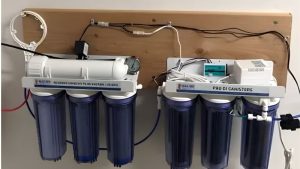
Commonly a heater, RODI water, marine salt and an auto top-off, plus a powerhead and often a light upgrade if you want corals. These are separate from the tank whatever the AIO label implies, and they add up. Reading the SKU’s contents and listing the gaps before buying reveals the true cost to get running.
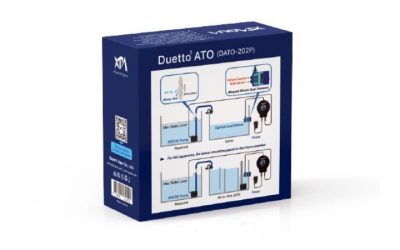
An auto top-off is easy to overlook yet valuable in a nano, where evaporation swings salinity fast. Budgeting these from the start avoids both surprise costs and a stalled setup. Treating the tank as the core and the add-ons as part of the price gives an honest value comparison between models.
Can a pricier tank save money?
It can, when the premium includes gear you would otherwise buy, like a reef-grade light and ATO readiness, lowering the complete-to-run cost for a reef. A more complete tank can undercut a cheaper one once the add-ons are counted. The saving is real only if you actually need the included capability for your goal.
For a simple fish tank, a pricier reef-focused model is money spent on capability you will not use, so the cheaper option wins. Match the purchase to the plan, and a dearer tank saves money only when its extras replace things you would have bought anyway rather than adding features you do not need.
Final Thoughts
For value, the best all in one saltwater tank for the money is the one with the lowest cost to run as you intend, counting the light, heater and top-off it does or does not include, plus its stability and support. Total the complete setup, match the spend to your goal, and the true value becomes clear.

4 Best Coral Foods for Reef Aquariums

6 Best Sump Reef Aquariums 2026