Last Updated: October 21, 2026
LPS corals reward the right light and gentle water, so the best all in one saltwater tank for lps corals is one whose lighting can deliver a moderate PAR at the coral’s placement, with soft flow and room to space colonies, rather than a bright-looking fixture that never proves its usable output.
As an Amazon Associate we earn from qualifying purchases.
By David Nguyen
How to Choose an All-in-One Saltwater Tank for LPS Corals
Large-polyp stony corals like a moderate light level, gentle flow and space between colonies to expand without stinging neighbors. The trap is judging light by watts or Kelvin. Weigh the light’s real output first, then flow and layout, and confirm the tank includes or can take what LPS require.
Aim for a Moderate PAR Window
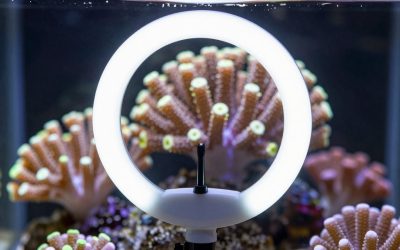
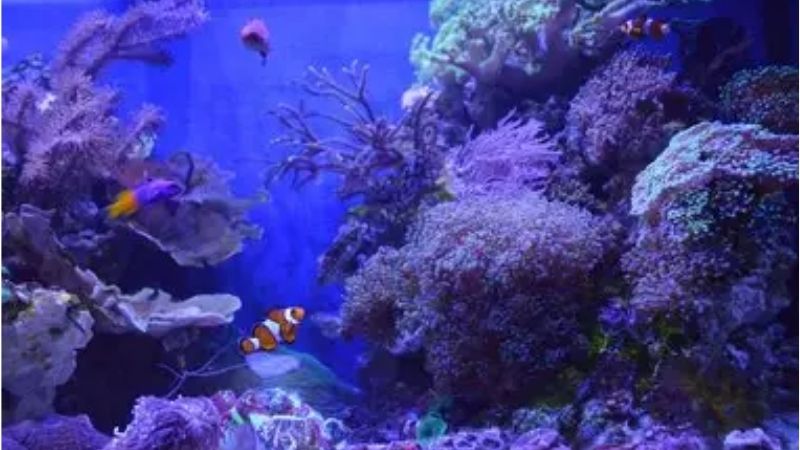
LPS corals generally do well in a moderate light range, often cited around 75 to 150 PAR at the coral, which is a useful reference rather than a strict rule. The key point is that PAR, the usable light corals absorb, is what matters. A light can look bright yet fall short of that window at the coral’s depth.
Because stock AIO lights vary widely, confirm the fixture can reach the LPS range at your placement, or plan an upgrade. A capable reef light like the ReefLED on the MAX NANO G2 is designed for this. Matching real PAR to the LPS window is the single most important light decision here.
Gentle Flow, Not a Blast
LPS corals prefer moderate, indirect flow that keeps detritus off their tissue without battering their fleshy polyps. Too much flow, or a direct stream, can tear or retract them, while too little lets waste settle, so the aim is gentle, varied movement. The built-in return pump alone rarely provides the right pattern.
Remember the return pump’s rated LPH is filtration flow, not the total circulation a reef needs, so do not read it as enough for corals. Add and aim flow so it wraps around the rock rather than blasting the LPS directly. Tuning flow gently, and watching how the polyps respond, is what keeps LPS extended and healthy.
Space Between Colonies
LPS corals can expand well beyond their skeleton and many carry sweeper tentacles that sting neighbors. Crowding LPS in a small AIO invites chemical and physical warfare that damages both corals. Plan the aquascape with gaps, and accept that a nano holds fewer LPS than its footprint might suggest.
An all-in-one’s rear chambers also reduce usable length, so the real placement area is smaller than the outside dimensions imply. Picture each coral’s mature footprint. Leaving room for LPS to grow keeps them from stinging one another and preserves the open, healthy look that makes an LPS tank appealing.
Stable Water for Skeletons
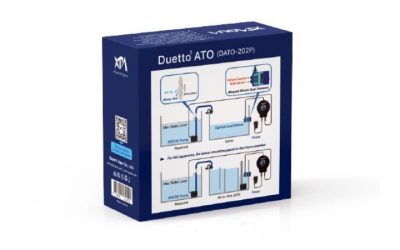
LPS build calcium-carbonate skeletons, so stable alkalinity, calcium and salinity matter more than for a fish-only tank. A larger, steadier volume holds those parameters better and forgives the swings that stress stony corals. An auto top-off helps by holding salinity as a nano evaporates.
The all-in-one filtration covers mechanical and biological basics, but you still manage the parameters LPS depend on through water changes or dosing. Confirm the SKU includes what you need and budget the rest. Pairing a stable volume with consistent parameter management is what lets LPS lay down healthy skeleton over time.
Top Picks
These four are ranked for LPS: a light that can reach the moderate PAR window, gentle flow and room to space colonies, with the trade-offs noted. Specs are manufacturer-stated and prices change. The right pick suits your budget and whether the light is included or added.
| Product | Best For | Key Spec | Watch Out For |
|---|---|---|---|
| Red Sea MAX NANO G2 | Reef light out of the box | ReefLED G2 60; ATO-ready | Higher price |
| IM Fusion 25 | Room to space LPS | ~465 sq in base | Light often extra |
| Waterbox AIO 15 | Stable LPS nano | ~272 sq in base | Add a reef light and ATO |
| Fluval EVO 13.5 | Budget with a light upgrade | 13.5 gallons; integrated | Stock light short of LPS PAR |
Red Sea MAX NANO G2 — Reef Light Included
The MAX NANO G2 ships with a capable ReefLED G2 60 designed for reef keeping, which removes the usual guesswork about whether the stock light can reach the LPS range. Its ATO readiness also helps hold the stable salinity LPS skeletons prefer. For an LPS keeper, having a genuine reef light out of the box is a real head start.
Confirm the PAR at your actual placement, since even a good light varies with depth and position, and the moderate LPS window still applies. The higher price buys that built-in capability. It suits a keeper who wants LPS to thrive without immediately sourcing a separate light and top-off for the tank.
IM Fusion 25 — Room to Space LPS
The Fusion 25’s larger footprint near 465 square inches gives LPS the room to expand and be spaced apart, reducing the sweeper-tentacle warfare that crowding causes. The extra volume also steadies the parameters stony corals depend on. For a keeper planning several LPS colonies, that space and stability are genuinely useful.
Its light is often a separate choice, so budget a reef fixture that reaches the LPS PAR window at placement. Add gentle flow beyond the return pump as well. Chosen with the light and flow completed thoughtfully, it becomes a spacious, stable home where LPS can grow without stinging their neighbors.
Waterbox AIO 15 — Stable LPS Nano
The Waterbox AIO 15, near 272 square inches, offers a stable, tidy nano that suits a modest LPS display. Its volume forgives parameter swings better than the smallest tanks, and the clean layout leaves room to aquascape with gaps between colonies. It is a calm base for a focused LPS nano.
Plan to add a reef-capable light that reaches the LPS PAR window and an auto top-off, since these are usually not included. Confirm the SKU’s contents first. Completed with suitable light and gentle flow, it gives LPS the stability and moderate lighting they want in a compact footprint.
Fluval EVO 13.5 — Budget With an Upgrade
The Fluval EVO 13.5 is the budget entry, but its stock light generally falls short of the PAR LPS want, so a light upgrade is part of the plan. Its integrated design and low cost make it an affordable start, with a known next step for the lighting. For a cost-conscious LPS beginner it can work with that upgrade.
The small volume also asks for careful parameter management, since stony corals dislike swings and a nano changes quickly. Add an auto top-off and keep LPS numbers modest for the space. Treated as a budget base that you upgrade for light, it can host a few LPS, provided the PAR and stability are addressed.
Frequently Asked Questions
LPS keepers ask how much light LPS need, how much flow suits them, how far apart to space colonies, and whether a stock AIO light is enough. Each answer gives the practical rule first, then the condition that adjusts it for your tank and corals. Judge the light by real PAR, and the rest follows for LPS.
How much light do LPS corals need?
A moderate level, often referenced around 75 to 150 PAR at the coral, though that is a guide rather than a strict rule. The crucial point is that PAR, the usable light corals absorb, is what matters, not the watts or Kelvin on the fixture. A light can look bright yet miss that window at the coral’s depth.
Confirm the actual PAR at your placement, since it falls with depth and distance, and adjust position or intensity to suit. A capable reef light reaches the LPS range, while a basic stock fixture may not. Matching real PAR to the moderate LPS window is the key light decision for these corals.
How much flow do LPS want?
Moderate, indirect flow that keeps detritus off their tissue without battering the fleshy polyps. A direct blast can tear or retract LPS, while too little lets waste settle, so the aim is gentle, varied movement around the rock. The return pump alone rarely provides the right pattern.
Aim any added flow so it wraps past the corals rather than hitting them head-on, and tune it by watching how the polyps respond. Extended, relaxed polyps signal the flow suits them. Treating flow as something to adjust gently, not a fixed number, is what keeps LPS healthy and open.
How far apart should I space LPS?
Far enough that mature colonies and their sweeper tentacles cannot reach each other, which is more space than frag size suggests. Many LPS sting neighbors to defend territory, so gaps prevent both chemical and physical damage. Plan the aquascape around each coral’s grown footprint, not the small piece you start with.
In a nano the usable area is smaller than the outside dimensions imply, since rear chambers and rock take space, so a small tank holds fewer LPS than expected. Accepting that and spacing generously keeps the corals healthy. A less crowded LPS display also looks better and is easier to maintain.
Is a stock AIO light enough for LPS?
Sometimes, but often not, and specs will not tell you, since watts and Kelvin are not PAR. Some AIO lights reach the moderate LPS window while many basic stock fixtures fall short at the coral’s depth. The only reliable check is the actual PAR at placement, not the numbers on the box.
A tank with a genuine reef light, like the MAX NANO G2’s ReefLED, is more likely to suffice, while budget tanks usually need a light upgrade for LPS. Decide up front whether the included light reaches the window, and budget an upgrade if not, rather than assuming the stock fixture covers stony corals.
Final Thoughts
For stony corals, the best all in one saltwater tank for lps corals is one whose light can deliver a moderate PAR at placement, with gentle flow and room to space colonies as they grow. Judge light by real PAR rather than watts, tune flow softly, keep parameters steady, and LPS lay down healthy skeleton.
How Much Does Reef Automation Cost To Set Up: Top Compared
Best Protein Skimmer for 200 Gallon System: How to Pick