Last Updated: October 4, 2026
Shopping for the best all in one automation bundle for reef duty means comparing three things that rarely line up neatly: which parameters each system senses, how much current its outlets can actually switch, and what the ecosystem costs once you expand.
As an Amazon Associate we earn from qualifying purchases.
By David Nguyen
Quick answer: For most people in 2026, the best all in one automation bundle for reef is the HYDROS Launch — our #1 rated choice. See the full ranked comparison, alternatives and buying advice below.
How to Choose a Reef Automation Bundle
Sensor lists and outlet counts dominate marketing, but the useful comparison sits deeper. Check which parameters are genuinely included, what each outlet is rated to carry, whether you get per-socket monitoring, and what expansion actually costs. Outlet counts sell bundles; combined amperage decides what you can run.
Check Which Parameters Are Included
Bundles differ substantially here. The HYDROS Launch includes pH and temperature with salinity as a separate probe purchase, the Neptune A3 Apex Pro ships with pH, ORP, temperature, leak detection and a 15 inch level sensor. Level sensing and leak detection are increasingly bundled as standard on higher tiers. Read the included list rather than the compatible list on any product page.
The GHL ProfiLux 4.1 Mega-Set 6E covers pH, redox, conductivity and temperature. Counting sensors across brands is misleading, since a conductivity probe and a leak sensor are not equivalent capabilities despite both adding to a total. Decide which parameters you will actually respond to before paying for sensors you will ignore.
Read the Electrical Limits Carefully
This is where specifications are most often misread. The HYDROS Launch provides four AC outlets rated 8A each with a 14A combined limit, the Neptune EB832 offers eight outlets at 7A each with a 15A combined ceiling. Its Drive ports are separate from the AC outlets and carry their own 1.5A per port limit.
The GHL powerbar for USA and Canada provides six sockets rated 15A per socket with a 15A total. In every case the combined figure is the real constraint, so adding up device draw matters far more than counting available sockets. Startup surges from pumps also briefly exceed their running figures, so leave headroom.
Decide If You Need Per-Socket Monitoring
Current monitoring turns a controller into a fault detector. The GHL powerbar provides per-socket current monitoring, which can reveal a failing pump or a heater drawing incorrectly before livestock is affected. Knowing a return pump’s draw has shifted upward is often the earliest warning of failure. It also shows whether a device is running when the schedule says it should be.
The HYDROS Launch does not provide individual AC outlet monitoring, which is a genuine difference rather than a minor omission. If early fault detection is your reason for automating, that capability belongs at the top of your list. Leak detection serves a similar preventive role on systems that include it.
Budget for the Whole Ecosystem
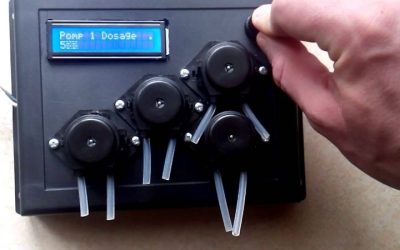
The controller is the entry fee. Probes, expansion modules, dosing hardware and replacement calibration fluids all follow, and each brand prices its accessories differently, which can reverse an apparent bargain within a year. Dosing containers, mounting hardware and spare tubing all belong in that total too.
Probes are consumables with a working life, so include replacement pH and conductivity probes in any comparison. Also confirm which features depend on cloud services, since connectivity requirements shape long-term ownership as much as hardware does. A cheaper controller with expensive probes can cost more across five years than the reverse.
Top Picks
Three bundles plus one honest caveat cover this category. Each entry lists manufacturer specifications, a relative price position as of 09/2026, and one genuine drawback worth weighing.
| Product | Best For | Key Spec | Watch Out For |
|---|---|---|---|
| HYDROS Launch | Best entry price | 4 AC outlets; 8A each, 14A combined; pH + temp | Salinity probe sold separately |
| Neptune A3 Apex Pro | Best sensor coverage | 8 outlets; 7A each, 15A combined; 100W 24VDC PSU | Highest price in this group |
| GHL ProfiLux 4.1 Mega-Set 6E | Best fault detection | 6 sockets; 15A per socket, 15A total; per-socket monitoring | Combined limit still caps total load |
| Starter bundles generally | Setting expectations | None covers every parameter out of the box | Expansion cost is the real budget |
HYDROS Launch: Best Entry Price
At roughly $600 as of 09/2026 the Launch is the cheapest route in, about 45.7% below the Apex Pro, a gap near under $600. It provides four AC outlets at 8A each with a 14A combined limit, plus a Drive port setup rated 1.5A per port and 3A total. Four outlets cover a heater, return, light and one more device before expansion. Its Drive ports handle compatible accessories separately from those AC outlets.
Included sensing covers pH and temperature, with salinity requiring a separate probe, and there is no individual AC outlet monitoring. For a mid-size reef needing scheduling and basic alerting, that trade is reasonable at this price. Expansion modules are available when the tank grows beyond four outlets.
Neptune A3 Apex Pro: Best Sensor Coverage
Near under $1,200 as of 09/2026, the Apex Pro arrives with pH, ORP, temperature, leak detection and a 15 inch level sensor, paired with an EB832 energy bar offering eight outlets at 7A each, a 15A combined ceiling and a 100W internal 24VDC supply. Neptune’s ecosystem is the broadest here, with extensive third-party integration available. The included level sensor covers sump monitoring without an extra purchase.
It is the most expensive option here, about 11.4% above the GHL. Note the bundle does not include a salinity probe, so verify which parameters matter to you rather than assuming comprehensive coverage from the sensor count alone. The 100W internal supply also powers accessories without additional adapters.
GHL ProfiLux 4.1 Mega-Set 6E: Best Fault Detection
At roughly $1,000 as of 09/2026, about 10.3% below the Apex Pro, the Mega-Set 6E includes pH, redox, conductivity and temperature probes with a six-socket powerbar rated 15A per socket and 15A total, plus per-socket current monitoring. GHL hardware is well regarded for build quality and long product support. Four probe types included is the broadest standard chemistry coverage here.
That monitoring is the standout feature, since it reports what each device actually draws. The 15A total still caps the system regardless of individual socket ratings, so plan your load against the combined figure rather than per-socket headroom. Conductivity sensing included as standard is useful for tracking salinity trends.
Why No Starter Bundle Is Truly All-in-One
Every package here leaves something out, whether salinity probes, dosing hardware or additional modules. Treat the bundle as a foundation that covers scheduling and core monitoring rather than a complete automation solution. Dosing pumps and auto top-off hardware are usually separate purchases.
Automation has also shifted toward fault detection rather than convenience alone, and that direction favours systems reporting what devices are doing. Factor recurring probe and calibration costs into any five-year comparison you run. Spread the cost across a year rather than buying every module at once.
Frequently Asked Questions
Four questions decide most of these purchases: which bundle offers the most outlets, what load each can safely carry, how the GHL sockets differ, and whether the Apex premium is justified.
Which bundle has the most outlets?
The Neptune EB832 with eight, followed by the GHL powerbar with six and the HYDROS Launch with four AC outlets. All three also offer expansion bars if you outgrow the included hardware.
Outlet count alone is a weak comparison, since combined amperage limits what you can actually run. Eight outlets sharing a 15A ceiling is a different proposition from four sharing 14A, depending entirely on your device mix. Count your devices first, then compare bars against that list.
Can the Launch handle a 12A total load?
Yes, since its combined limit is 14A, though that leaves limited headroom. Each individual outlet is rated 8A, so no single device may exceed that figure either. Heaters are typically the single largest draw on any reef controller. Checking nameplate figures on each device takes only a few minutes.
Add up the running draw of everything you plan to connect, including heaters, which dominate the total. Leaving margin matters because startup surges from pumps briefly exceed steady-state consumption. Splitting heaters across two circuits is a common solution on larger systems.
Does 15A per GHL socket mean 90A total?
No. The powerbar is rated 15A per socket and 15A in total, so the combined figure caps the whole bar regardless of what any individual socket could theoretically carry. Socket ratings describe what one outlet can pass, not what the bar can supply.
That pattern is common across brands and frequently misread. Plan against the total rating, and if your equipment approaches it, split the load across separate circuits rather than a single bar. Electrical safety here is worth more care than any software feature.
Is the Apex Pro worth $534 more than the Launch?
It depends on what sensing you need. The Apex Pro includes ORP, leak detection and a level sensor that the Launch does not, along with eight outlets instead of four. Both use their own app ecosystems, which is worth trying before committing. Neither includes a salinity probe in the bundle, which surprises some buyers.
If you would buy those sensors separately anyway, the gap narrows considerably. If scheduling and basic monitoring cover your needs, that money often does more as a quality dosing pump or a second heater. Reef controllers discount around Prime Day and Black Friday, which can narrow the gap meaningfully. Consider which ecosystem your future dosing and testing hardware will join.
Final Thoughts
The best all in one automation bundle for reef systems is decided by sensing you will act on, outlet architecture your equipment actually fits, and electrical limits read correctly. HYDROS Launch near under $700 is the accessible entry, while GHL adds per-socket monitoring and Apex Pro the broadest included sensors.
Ready to decide? Our #1 pick for 2026 is the HYDROS Launch.
Live price & availability on Amazon.
Related Reviews & Guides

Best Skimmer Cup Auto Waste Container: How to Choose It
Best Reef LED Light for LPS Corals: Top Expert Buying Guide