Last Updated: October 21, 2026
Choosing a big tank well means deciding in the right order, starting with what will live in it rather than which box looks cheapest. Knowing how to choose a 75 gallon aquarium kit is really about matching a use case to the exact tank, stand, hardware and total cost, so compatibility drives the decision instead of the word kit.
As an Amazon Associate we earn from qualifying purchases.
By David Nguyen
Find the Right 75 Gallon Kit
Finding the right 75-gallon kit starts with the use case, not the price. Define whether the tank is for freshwater, saltwater, planted, turtle, cichlid or goldfish keeping, verify the item dimensions rather than the package size, require a matched, supportive stand, and list every life-support item the box leaves out.
Define the Use Case First
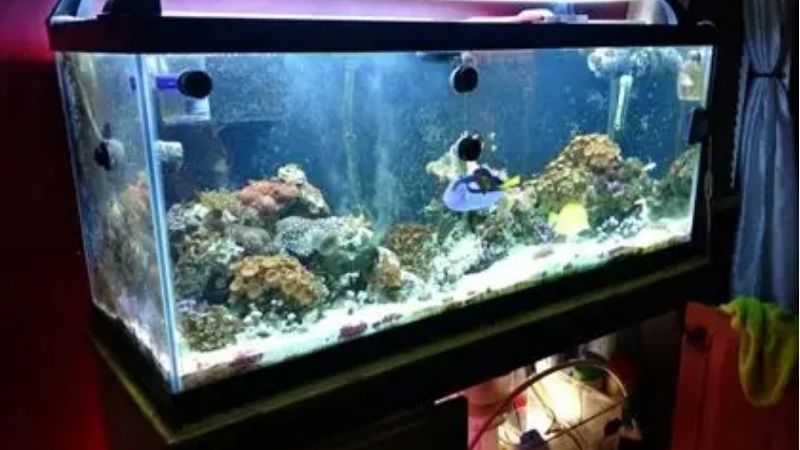
Begin by deciding what the tank is for, since the use case shapes every later choice. A freshwater community, a reef, a planted display, a turtle habitat, a cichlid tank or a goldfish setup each place different demands on geometry, filtration and lighting, so name the intended use before comparing any packages.
This is the primary axis of the decision, ahead of price. Choosing by cost alone risks a package poorly suited to the actual plan, whereas starting from the use case ensures the tank, stand and hardware you eventually compare are judged against the aquarium you genuinely intend to build and keep long term.
Verify the Item Dimensions
Next, confirm the tank’s real item dimensions rather than trusting a nominal volume or a package size. A 75-gallon label does not guarantee a single footprint, and model-specific dimensions stay attached to the model, so a standard Aqueon 75 at 48.5 by 18.5 by 21.125 inches is not identical to another brand’s 75.
Use the item dimensions, not the shipping carton, to plan the footprint and stand fit. Confirming the actual measurements prevents mismatches later, since assuming all 75-gallon tanks share a footprint is a reliable way to end up with a stand or space that does not suit the tank you receive.
Require a Matched Stand
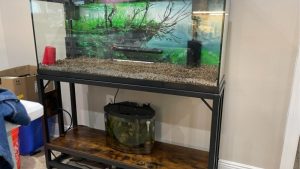
Then require a stand that is both matched to the tank and genuinely supportive. A filled 75 is heavy, so the stand must fit the tank’s footprint and carry its loaded weight, whether it comes bundled, like the Marineland ensemble’s 50-by-20-by-28-inch stand, or is chosen separately and verified.
Do not infer a stand’s capacity from its footprint or a gallon label, and confirm a stated rating. Requiring a matched, load-appropriate stand at this stage rules out unsafe improvisation, and it treats the stand as the structural equipment it is rather than an afterthought added once the tank is chosen.
List the Missing Life Support
Finally, list every life-support item the package omits, since most 75 kits leave out a filter, heater or both. Writing down what is missing turns a vague sense of the contents into a concrete shopping list, and it reveals the true scope of what you must still buy to reach a running tank.
That list feeds directly into the total cost and the next stage of the decision. Knowing exactly what is absent lets you size and price each missing piece for your chosen livestock, rather than discovering the gaps after purchase and improvising equipment that may not suit the tank you planned.
Fix the Decision Step by Step
With the basics understood, work the decision in a fixed order so each step informs the next. Decide the stocking, measure the room, choose the tank and stand package, select the filter, heater and light for the actual livestock, then calculate the total budget. The table maps each step to what it settles.
| Step | Decision | Depends On | Watch Out |
|---|---|---|---|
| 1. Stocking | What will live in the tank | Use case and adult sizes | Stock by species, not gallons alone |
| 2. Room | Where it fits and loaded weight | Space and floor/stand support | ~10 lb/gal is a planning estimate |
| 3. Tank and stand | Package and matched stand | Verified item dimensions | Nominal 75 is not one footprint |
| 4. Life support | Filter, heater, light | Chosen livestock needs | Aqueon heuristics are not universal |
| 5. Total budget | Full cost to run | All added equipment | Tank-only price is not the total |
Decide the Stocking
Start the process by deciding exactly what will live in the tank, since everything else follows from it. The species, their adult sizes and their compatibility set the requirements for volume, footprint, filtration and temperature, so a firm stocking plan is the foundation on which the rest of the decision is built.
Stock by species and their needs rather than by the gallon figure alone, since a 75 suits some plans and not others. A clear, realistic idea of the eventual inhabitants at this first step prevents choosing a package that later proves too small, too plain or wrongly equipped for the fish you want.
Measure the Room and Weight
With the stocking decided, measure where the tank will go and plan for its loaded weight. Confirm the space suits the tank and its stand, and account for the finished weight, using a rough planning estimate of about ten pounds per gallon rather than the water weight or the empty tank alone.
Treat that estimate as a planning figure, not an exact structural load, and check the floor and stand accordingly. Settling the room and weight now, before choosing a package, avoids the common problem of a tank that does not fit its space or a stand and floor unready for the real load.
Choose the Tank and Stand
Next, choose the tank-and-stand package that fits both the use case and the measured space. Compare item dimensions rather than nominal volumes, since a 75 label does not fix a footprint, and require a matched, load-appropriate stand whether bundled or sourced and verified separately for the specific tank.
Base this choice on the geometry and support the plan needs, not the lowest price. A package like the Marineland ensemble or Rockland kit settles the tank and stand together, while a bare tank leaves the stand to you, so pick the route whose structure suits the tank and space you have confirmed.
Select Hardware, Then Total the Cost
Finally, select the filter, heater and light for the actual livestock, then total the full cost. Match each piece to the chosen fish rather than applying a single rule, since Aqueon’s filter and temperature heuristics are useful references but not universal to every stocking plan you might build on a 75.
Adding the hardware cost to the package gives the real total, which is the figure to compare across options. A tank-only price is never the whole cost, so completing this calculation ensures the choice reflects what a running, livestock-ready tank actually costs rather than a misleadingly low sticker at the outset.
Frequently Asked Questions
Common questions when choosing ask whether all 75s share a size, whether a stand is included, how to size the filter, and whether to bundle or build. These answers keep use case and compatibility ahead of price, since choosing by the aquarium you intend, not the word kit, is what leads to the right package.
Are All 75 Gallon Tanks the Same Size?
No. A 75-gallon nominal volume does not fix a single footprint, and dimensions vary by model. A standard Aqueon 75 measures 48.5 by 18.5 by 21.125 inches, but another brand’s 75 may differ, so model-specific dimensions stay attached to the model rather than defining every tank of that volume.
Because of that, always check the item dimensions of the specific tank rather than assuming a universal size. This matters most for stand fit and placement, where a small difference in footprint can mean a stand that overhangs or a space that no longer suits the tank you actually receive.
Is a Stand Included?
It depends on the package. Some kits, like the Marineland ensemble and Rockland kit, include a matched stand, while a tank-only listing does not. So stand inclusion must be checked in the contents rather than assumed, since kit does not guarantee furniture at this tank size in every case.
When a stand is included, confirm it matches the tank and is rated for the load; when it is not, plan a verified one separately. Either way, treat the stand as required structural equipment, so the decision accounts for it rather than leaving a heavy tank without confirmed, load-appropriate support.
How Do I Size the Filter?
Size the filter to the chosen livestock and their bioload, not the gallon rating alone. A filter rated for a 75 is a starting point, but a heavily stocked or high-waste tank needs more capacity, so match it to the fish you decided on rather than ticking the tank’s nominal volume.
Because filter and temperature heuristics vary by species, treat general guidance as a reference rather than a universal rule. Aqueon’s figures help, but the right filtration reflects your stocking plan, which is why deciding the livestock before the hardware keeps the sizing sensible and avoids mismatches.
Should I Bundle or Build?
Bundle when a package’s matched tank, stand and any extras suit your use case and cost less than assembling them separately. A coordinated kit spares the effort of confirming compatibility and can be the simpler, cheaper route once the value of an included, matched stand is properly counted into the comparison.
Build your own when a verified combination better fits the use case or undercuts the bundles, and you are willing to confirm every fit. The choice is not about the word kit but about which route best serves your stocking plan, geometry and budget, so decide it on compatibility rather than the label.
Final Thoughts
Knowing how to choose a 75 gallon aquarium kit means working in order: decide the livestock, verify the geometry, require a matched stand, select hardware for the actual stock, then total the cost. Let use case and compatibility lead the decision, not price or the word kit, and the right package follows.
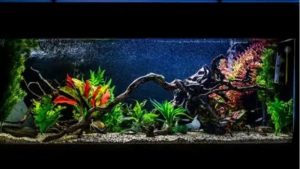
Best 75 Gallon Aquarium Kit for Beginners: Top-Rated Guide
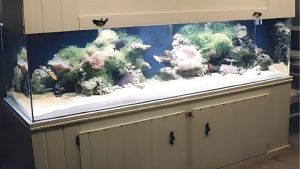
Best Aquarium Canopy For Large Display Tanks: Top Compared