Last Updated: October 4, 2026
- Top Pick: SubstrateSource Live Plant – Dwarf Sagittaria (Sagittaria subulata) – Foreground to Midground Rosette, Snail-Free in Vitro Aquarium Plant – Tissue Culture
- Best Value: Marcus Fish Tanks – 10x Dwarf Sagittaria Subulata Live Aquarium Plant Dwarf Sag Freshwater Aquatic Carpeting Plant BUY2GET1FREE
- Premium Choice: Bulk Dwarf Sagittaria Subulata (Dwarf Sagittaria) Easy Live Aquarium Plants for Aquatic Freshwater Fish Tank (15)
Dwarf Sagittaria Care: A Practical Foreground Guide
Dwarf sagittaria can make a grassy foreground, but “dwarf” is a trade expectation, not a fixed height setting. A rosette in open, useful light may stay relatively low; the same plant can send longer leaves when shaded, crowded, newly established, or competing for resources. Planning for variable height produces a better aquarium than buying it as a guaranteed carpet.
The plant is generally sold as Sagittaria subulata, an amphibious species native to parts of the Americas. Kew’s Plants of the World Online is an authoritative starting point for accepted identity and distribution. Because nursery and trade names can be loose, leaf height alone cannot confirm the species.
As an Amazon Associate we earn from qualifying purchases at no extra cost to you.


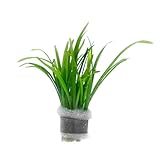


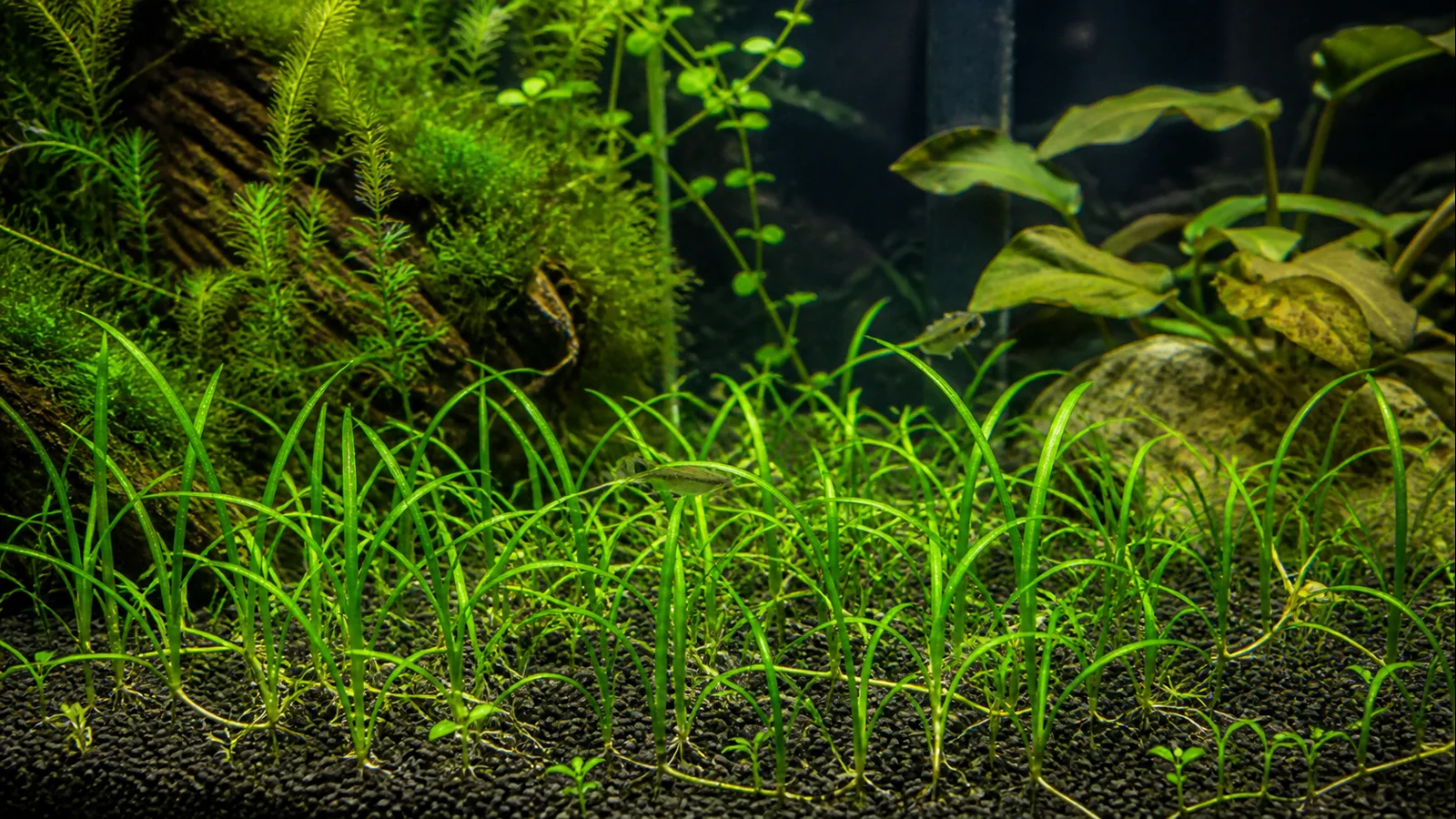
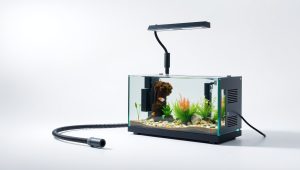
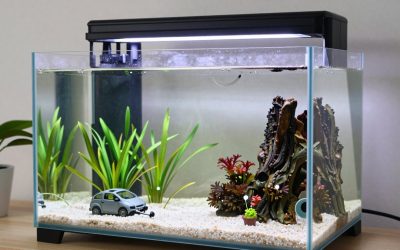
Editorial illustration; not evidence for species identification.
Decide what “carpet” means in this tank
A clipped lawn is not the only successful foreground. Dwarf sagittaria naturally forms rosettes linked by runners, leaving varied leaf heights and small gaps. Decide whether the goal is an open meadow, a path-edge colony, or nearly continuous cover. Preserve feeding areas and substrate access for fish or invertebrates that need them.
Its eventual form reflects several interacting factors:
- stronger usable light often supports shorter, denser growth, but excessive intensity can favor algae;
- shade from hardscape or tall stems encourages leaves to reach upward;
- widely spaced plants take time to connect, while cramped crowns compete immediately;
- a nutrient-poor root zone can stall spread, whereas uncontrolled enrichment can fuel algae;
- individual variation and uncertain trade identity remain important.
No single adjustment guarantees a height. Treat leaf form as feedback and change one variable at a time.
Separate plugs into viable rosettes
Remove the pot and rock wool, then identify individual crowns with roots and leaves. Pulling apart a dense plug roughly can tear every growing point. Work in a bowl of aquarium water, tease roots gradually, and discard only mushy tissue.
Use tweezers to place roots downward while leaving the crown level with the substrate surface. Planting too shallow causes floating; burying the crown can cause decline. Start with modest spacing so each rosette receives light and has room to anchor. A checkerboard arrangement fills more naturally than one solid nursery clump.
Sand, fine gravel, or planted soil can work. The bed must hold roots without sealing the crown, and maintenance must prevent debris accumulation. Active soil changes water chemistry and releases nutrients differently from inert sand; select it for the complete aquarium, not just this species. Consult the substrate guide before replacing an established bed.
Light governs form, within limits
Tropica’s commercial plant database offers a useful baseline for traded aquarium plants, including growth and light classes. It should not be read as a guarantee for an unidentified cultivar under every fixture. Begin with moderate intensity on a reliable timer and observe new leaves for several weeks.
If leaves grow much taller than desired, first check shade. Floating plants, surface film, hardscape, and neighboring stems can reduce light at substrate level even when a fixture seems bright. Thin the obstruction before increasing the entire tank’s intensity. If algae coats the foreground, reduce excessive duration, remove debris, and review nutrient balance rather than repeatedly cutting the plant.
Injected carbon dioxide can speed establishment but is unnecessary for a basic low-tech colony. A low-tech planted tank plan helps coordinate light, plant mass, and livestock without depending on gas injection. Where carbon dioxide is used, protect fish with controlled delivery and adequate gas exchange. Gasping, rapid breathing, or loss of balance requires immediate aeration and qualified aquatic or veterinary help if it does not resolve.
Feed roots without guessing
Sagittaria develops substantial roots and may respond to substrate nutrition. Fresh aquarium soil may provide enough initially. In inert or exhausted substrate, use an aquarium root tab according to its label, buried near established roots rather than against the crown. The site’s root tab guide covers placement and timing.
A complete liquid fertilizer may support the overall plant community. Dose for actual water volume and consider nutrients already supplied through food, soil, and water. Avoid adding isolated iron, potassium, or nitrogen solely because one old leaf yellowed. Age, transplant stress, shade, damage, and grazing can produce similar signs.
Keep records of additions, water changes, and light adjustments. If multiple species show the same pattern, test and assess the whole system. If only one newly planted crown fails while its neighbors grow, physical damage or planting depth may be more plausible than a tank-wide deficiency.
Wild distribution cannot define a single captive parameter range. Maintain stable, dechlorinated water suitable for the animals and acclimate the plant to that system. Sudden chemistry manipulation for cosmetic growth can compromise livestock welfare.
Direct runners instead of mowing them
Healthy crowns extend runners and form daughters. Let a daughter develop roots and several leaves before severing it for transplant. Redirect a loose runner toward an open patch with a small plant weight or careful placement; never constrict living tissue. If it invades a path, cut the connection and lift the daughter rather than yanking a chain through the substrate.
Thin crowded zones by removing whole crowns. This restores light and circulation without leaving dozens of cut leaf tips. Dwarf sagittaria leaves do not branch after trimming. A blade cut halfway may brown at its tip, so remove an unwanted leaf near its base without injuring the crown. Selective removal preserves the plant’s natural shape.
For a lower foreground, prioritize light access and open spacing before scissors. Repeatedly shearing tall leaves does not alter the environmental reason they grew tall. If the tank consistently produces a midground form, embrace that placement or choose a genuinely smaller foreground species.
Diagnose establishment problems
Some older emersed-grown leaves may deteriorate after submersion while new submerged leaves emerge. Firm crowns and new centers justify patience. Transparent new growth, soft crowns, or repeated uprooting call for investigation. Check planting depth, root damage, dechlorination, ammonia, nitrite, temperature equipment, and recent chemical additions.
Yellow patches under a dense canopy suggest shade or trapped waste. Algae on leaf tips may follow excessive exposure or slow growth. Siphon debris gently, correct the larger imbalance, and remove only leaves that are failing. Do not recruit an animal as an “algae tool” without meeting its adult size, diet, social, and water needs.
Inspect or quarantine new plants to limit snail, egg, algae, and pathogen transfer. Homemade dips can harm fine leaves and contaminate disposal water. Use only a well-supported plant-safe protocol, or choose separate observation and manual inspection.
An experienced planted-aquarium professional can help when plants fail across the tank despite stable tests. Animal illness, unexplained deterioration, or abnormal behavior belongs with a qualified aquatic veterinarian; plant fertilizer is not a treatment.
Treat every fragment as potentially viable
Sagittaria subulata and related aquatic plants may be regulated or invasive in some jurisdictions. UF/IFAS provides aquatic plant identification and invasive-plant resources, while the U.S. Fish and Wildlife Service explains release pathways and ecological consequences. Verify current local law before purchase, shipment, trade, or outdoor cultivation.
Never release crowns, runners, substrate, or aquarium water to ponds, streams, drains, or storm systems. Seal plant waste for household disposal where allowed, or dry/freeze it if the responsible agency recommends that process. Do not compost aquatic plants near drainage unless local rules explicitly permit it.
Judge progress monthly
The useful measures are rooted crowns, healthy new leaves, and runners filling intended spaces without blocking maintenance or animal access. Photograph the foreground from the same angle, count new crowns, and note average rather than tallest-leaf height. This makes dwarf sagittaria’s variability manageable: it becomes a responsive living groundcover, not a failed promise of a perfectly flat lawn.
Sources
- Kew Plants of the World Online: Sagittaria subulata search
- Tropica aquarium plant database
- UF/IFAS Center for Aquatic and Invasive Plants
- U.S. Fish and Wildlife Service: Aquatic Invasive Species
Related Reviews & Guides
Best Stackable Betta Tanks: Smart Choices for Better Care
How to Choose Aquarium Heater Wattage in 2026: What Actually Matters