Last Updated: October 21, 2026
No tank turns itself into a beginner kit, so choose a shell that suits your livestock, then add filtration, heat, light, and a test kit. The best rimless aquarium for beginners is picked by a manageable, species-appropriate volume and a real cycle proven by water tests, not by waiting a fixed 48 hours before adding fish.
As an Amazon Associate we earn from qualifying purchases.
By David Nguyen
How to Choose a Rimless Aquarium for Beginners
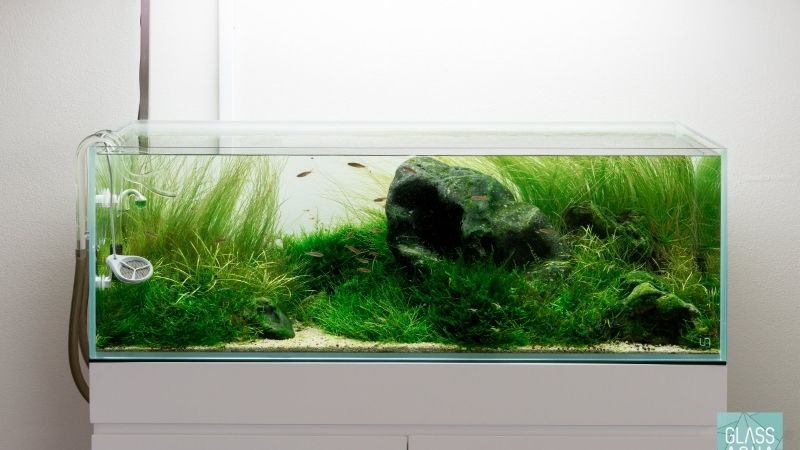
For a beginner, the real axes are livestock-first sizing, a stable and supportable footprint, an honest view of what the bare tank does not include, and cycling judged by test results. Lock those before comparing products, since a good-looking tank is only a shell until you add life support and cycle it properly.
Start With Livestock, Then Volume
Start from what you intend to keep, since the livestock sets the tank, not the other way around. The picks here run from about 11 to 31 gallons, so choose a volume your planned species can live in comfortably, because picking a tank on appearance and then forcing fish into it is a common early mistake.
Research adult sizes before deciding, since juveniles grow and stocking needs change. A modest community suits a smaller tank while active or larger fish need more room, so let the species requirements guide the size, and treat the tank as a container for a specific plan rather than a fixed look you decorate afterward.
Prefer a Stable, Supportable Footprint
Favor a footprint you can support and reach, since stability matters more than style for a first tank. The MINI 25 is 23.6 by 15.7 inches at 24 gallons and the MINI 30 is 31.5 by 15.7 inches at 31 gallons, so confirm the stand and surface suit the size before you commit to filling it.
Check the loaded weight against the furniture, not just the footprint, since a filled tank is heavy. A 31-gallon tank reaches a substantial baseline before decor, so a larger tank needs a sturdier stand and more maintenance room, which is worth planning up front rather than discovering after the water goes in.
Know What the Tank Does Not Include
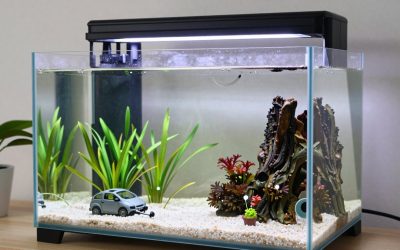
Understand that these are bare aquarium shells, so filtration, heat, light, and a lid are separate. The CLEAR MINI and HCC tanks do not include life support, so plan and budget a filter, a species-appropriate heater and light, a test kit, and a cover, since the tank price is only the starting point.
Price the whole setup before deciding a tank is affordable, since the equipment can rival the glass. A cheap bare tank can become an expensive first system once you add the essentials, so compare complete starter costs rather than the tank sticker, which keeps the budget honest and avoids surprises.
Cycle by Test Results, Not Calendar Alone
Cycle the tank by water tests, since elapsed time alone does not prove readiness. Aqueon notes that establishing nitrifying bacteria can take several weeks to months, so a 48-hour wait after setup is not a cycle, and readiness is shown by ammonia and nitrite both reading zero, not by the calendar.
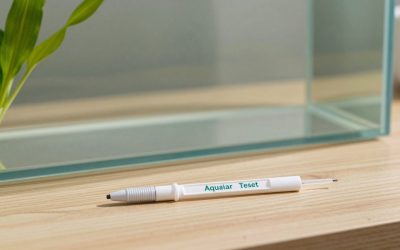
Plan to test before adding fish, since the cycle protects your livestock. Use an ammonia and nitrite test as the readiness gate, and expect the timeline to vary with method, seeding, temperature, and bioload, so treat the 48-hour settle period as separate from the biological cycling that makes the tank safe.
Top Picks
These four verified bare tanks span 11 to 31 gallons, and none carries a manufacturer beginner-safety rating, so treat beginner-friendliness as a system outcome. The right pick depends on the livestock you plan, the footprint you can support, and your willingness to add and cycle the life support each shell needs.
Waterbox CLEAR MINI 25
The Waterbox CLEAR MINI 25 is a balanced bare-tank starting point for many beginners. It is 24 gallons at 23.6 by 15.7 by 15.7 inches with 6 mm low-iron glass at 91 percent clarity and 37 pounds empty, priced from around $200 as of 09/2026, offering a moderate volume within a compact 23.6-inch length.
Its strength is a forgiving mid-size volume that swings more slowly than a nano while staying compact. The catch is that it is not a kit, so a filter, heater, light, and test gear are extra, and you should confirm the stand supports the filled weight before treating it as your starting tank.
Waterbox CLEAR MINI 16
The Waterbox CLEAR MINI 16 suits a beginner wanting a smaller footprint. It is 15.8 gallons at 23.6 by 11.8 by 14.2 inches with 6 mm glass and 26 pounds empty, priced around $150 as of 09/2026, keeping a shallow 11.8-inch depth that fits tighter surfaces than the deeper tanks here.
Its strength is that shallow, space-friendly footprint at a lower price. The catch is that less water volume leaves a smaller margin for stocking errors, so keep the bioload conservative and test often, since a smaller tank concentrates any mistake faster than a larger one while you learn the routine.
Waterbox CLEAR MINI 30
The Waterbox CLEAR MINI 30 gives a beginner extra room to grow. It is 31 gallons at 31.5 by 15.7 by 15.7 inches with 8 mm glass and 57 pounds empty, priced around $300 as of 09/2026, offering the largest volume in this shortlist for more stable water and stocking flexibility as you learn.
Its strength is that larger, more forgiving volume, which suits a beginner who wants room to expand. The catch is a filled baseline near 315 pounds before decor, so it needs a sturdier stand and more maintenance space, making it a bigger commitment than the smaller tanks despite being easier to keep stable.
AquaTop HCC-14
The AquaTop HCC-14 is a simple compact cube for a beginner with limited space. It is 11.33 gallons in a 13.78-inch cube with 5 mm low-iron glass at 91 percent clarity, priced around $100 as of 09/2026, offering the smallest, most affordable footprint in this beginner shortlist.
Its strength is that compact cube form and low sticker. The catch is that it is a bare tank with no verified included mat, and its 11-gallon volume limits species choices and leaves little margin, so keep stocking modest and test diligently, since a small cube is less forgiving than the larger options.
| Product | Best For | Key Spec | Watch Out For |
|---|---|---|---|
| Waterbox CLEAR MINI 25 | Balanced starting point | 24 gal; 23.6×15.7 in; ~$200 | Needs full equipment plan |
| Waterbox CLEAR MINI 16 | Smaller footprint | 15.8 gal; 23.6×11.8 in; ~$150 | Less margin for errors |
| Waterbox CLEAR MINI 30 | Room to grow | 31 gal; 31.5×15.7 in; 8 mm | ~315 lb full baseline |
| AquaTop HCC-14 | Simple cube | 11.33 gal; 13.78 in cube; ~$111 | Bare tank; limited stocking |
Beginner Rimless Aquarium FAQs
These questions come up when beginners choose a rimless tank. Each answer leads with the direct call, then the condition that changes it, so you can decide from your own livestock and setup plan rather than assuming a bigger tank, or a fixed waiting period, automatically makes starting out easier or safer.
How long should a beginner cycle a new aquarium?
Long enough for the biological filter to establish, which Aqueon says can take several weeks to months. Rather than promising a fixed four weeks, use water tests as the gate, since the timeline varies with method, seeding, temperature, and bioload, and elapsed days alone do not prove the tank is ready.
Aim for zero ammonia and zero nitrite before normal stocking, confirmed by testing. That readiness gate matters more than any calendar target, so keep testing until the numbers hold, because adding fish before the cycle completes is a leading cause of early losses for beginners. Retest before you stock.
Is waiting 48 hours enough before adding fish?
No, since 48 hours only lets temperature and equipment settle. Aqueon’s own guidance distinguishes that short settle period from cycling, so running the tank for a day or two is not the same as establishing the nitrifying bacteria that make it safe for fish. Wait for the tested cycle first.
Wait for the cycle proven by tests rather than a two-day countdown. Ammonia and nitrite should read zero before stocking, so use the water-test gate, since the 48-hour figure is an equipment-settle step and not evidence that the tank can process fish waste yet. Let the result decide, not the clock.
What equipment is still needed with a bare rimless tank?
At minimum a filter, a water test kit, and a species-appropriate heater, light, and lid. The four shortlisted shells do not include a full life-support bundle, so plan those separately, since a bare tank is only the container and the equipment is what makes it a working aquarium.
Budget the equipment alongside the tank, because it can rival the glass in cost. Match the heater and light to your species and confirm whether you need a cover, so the setup is complete before you cycle, rather than discovering missing pieces after the tank is already running and stocked.
Is 11 gallons or 31 gallons easier for a beginner?
There is no universal answer, since each has trade-offs. The HCC-14 at 11.33 gallons is cheaper and lighter, while the MINI 30 at 31 gallons gives more water mass and a more forgiving margin, so the larger tank is often more stable but also heavier and costlier to run day to day.
Let livestock and your maintenance capacity decide rather than volume alone. A larger tank dilutes mistakes but needs a sturdier stand and more upkeep, so choose the size that fits both your fish and the effort you can commit, since easier depends on the whole setup, not just the gallon count.
Final Thoughts
No shortlisted tank is certified beginner-proof. The best rimless aquarium for beginners is the verified bare tank whose volume suits your livestock and whose footprint you can support, so plan the filtration, heat, light, and test kit, then cycle by water tests, not a fixed 48-hour wait before adding fish.
6 Best Tanks For A Betta Fish 2026
Best 75 Gallon Aquarium Kit for a First Tank: Top-Rated