Last Updated: October 4, 2026
Noise in a bedroom matters differently from normal living-room use, so it helps to separate measured data from marketing. The best quiet canister filter for bedroom tank setups is the one with real acoustic evidence and enough usable flow, since only the ADA ES-300 Ver.2 here publishes a number, at under 35 dB at 1 m.
As an Amazon Associate we earn from qualifying purchases.
As an Amazon Associate we earn from qualifying purchases at no extra cost to you. Prices and availability are accurate as of the date shown and are subject to change.
By David Nguyen
Quick answer: For most people in 2026, the best quiet canister filter for bedroom tanks is the Fluval 107 — our #1 rated choice. See the full ranked comparison, alternatives and buying advice below.
How to Choose a Quiet Canister Filter for a Bedroom
Judge acoustic claims carefully and correct your flow expectations before buying. Some makers publish a measured decibel figure while others only offer a generational comparison, and pump output is not the same as filter circulation, so the quietest sensible choice balances real noise data, installed flow, power draw and vibration control.
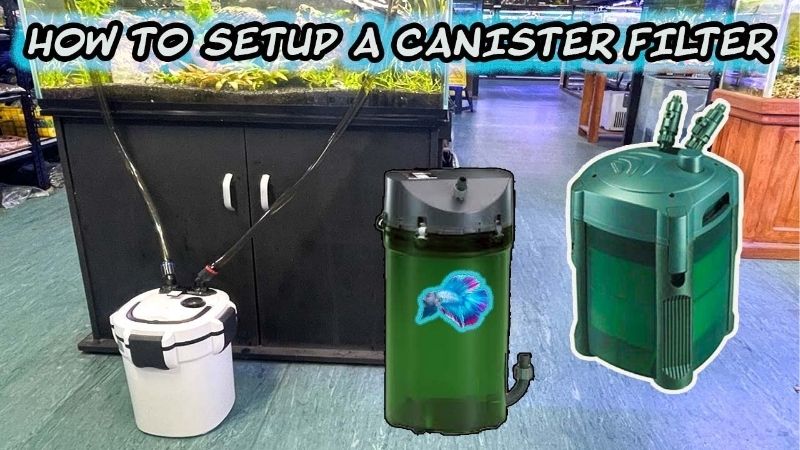
Prefer Measured Noise Data Where Available
The ADA ES-300 Ver.2 lists a retailer-published under 35 dB at 1 m figure, which is a specific measured condition rather than a vague label. That number belongs to the ES-300 alone and should not be transferred to other filters, since it was measured at a set distance and does not describe how loud a unit sounds in every room.
Fluval, by contrast, states only that its 07 Series is up to 25% quieter than the previous generation, which is a comparison to its own older filters, not to competitors. Use measured figures where they exist and treat comparative claims as directional, because a percentage against a predecessor does not fix an absolute noise level.
Separate Pump Output From Filter Circulation
Fluval reports two different numbers: the 107 lists 145 GPH pump output but 95 GPH filter circulation, and the 207 lists 206 versus 121 GPH. The circulation figure runs about 34.5% lower than pump output on the 107 and about 41.3% lower on the 207, so the two columns are not interchangeable.
When sizing a bedroom filter, plan around the circulation number, not the higher pump-output figure. A quieter unit that moves less water may still suit a lightly stocked bedroom tank, so match the circulation rating to your stocking rather than assuming the larger headline value describes real flow.
Check Power Draw for 24/7 Operation
These filters run continuously, so wattage matters for long-term cost. The Fluval 107 and 207 each draw 10 W, the OASE BioMaster 250 draws 15 W, and the ADA ES-300 Ver.2 draws just 6 W, giving a spread that adds up over months of nonstop operation next to where you sleep.
Lower wattage tends to mean lower running cost and less heat, but the exact figure depends on your electricity rate and how the pump is loaded. Treat these draws as a comparison point, and weigh them against media capacity and noise rather than choosing on watts alone for a bedroom.
Check Cabinet Fit and Vibration Control
The Fluval 107 measures about 7.5 x 7 x 13.7 inches and the 207 about 7.5 x 7 x 16.5 inches, so the taller 207 needs more clearance in a nightstand-side cabinet. Fitting the canister on a stable, decoupled surface reduces transmitted vibration, which often affects perceived bedroom noise more than the pump itself.
Cabinet resonance and trapped air inside the canister can materially change what you actually hear, independent of any rating. A snug, padded placement and a fully primed unit help, so plan installation carefully because a technically quiet pump can still buzz through a hollow cabinet panel at night.
Top Picks
These four span budget to premium, from Fluval’s mid-priced 07 units to the OASE all-rounder and the noise-specified ADA. Only the ADA publishes a decibel figure; the others are chosen on flow, watts and design. Prices were checked September 18, 2026, so confirm current figures before buying for a bedroom setup.
| Product | Best For | Key Spec | Watch Out For |
|---|---|---|---|
| Fluval 107 | Small bedroom tanks | 95 GPH circulation; 10 W | No official dB number |
| Fluval 207 | More flow without more watts | 121 GPH circulation; 10 W | “25% quieter” is generational |
| OASE BioMaster 250 | Premium maintenance/quiet design | 945 L/h max; 4.4 L | No dB rating located |
| ADA ES-300 Ver.2 | Buyers prioritizing quantified noise | <35 dB @1m; 6 W | Very expensive, freshwater only |
Fluval 107: Best Budget Bedroom Pick
The Fluval 107 delivers 95 GPH filter circulation at 10 W and sits around $150 as of September 2026, making it the affordable entry for a small bedroom tank. Its compact 7.5 x 7 x 13.7-inch body fits most nightstand cabinets, and the sealed canister design keeps mechanical noise low in practice.
The main drawback is that Fluval publishes no measured decibel figure for it, only the generational “up to 25% quieter” claim. Judge it by that limitation: it is a reasonable quiet-tank starting point rather than a guaranteed silent unit, and vibration isolation still matters for bedroom placement.
Fluval 207: Best Step-Up
The Fluval 207 raises filter circulation to 121 GPH while holding the same 10 W draw, for around $175. That is about 11.8% more than the 107 at current Petco pricing, and it moves more water without increasing power, which suits a slightly larger or more stocked bedroom tank.
It is taller at about 16.5 inches, so cabinet clearance is the trade-off, and like the 107 it carries no absolute dB rating. Both units belong to the generation Fluval says is up to 25% quieter than its predecessor, a claim about its own history rather than a head-to-head with rivals.
OASE BioMaster 250: Best Premium All-Rounder
The OASE BioMaster 250 offers 945 L/h max flow and 4.4 L of media at 15 W for around $250, with rubber feet and an integrated pre-filter that ease maintenance. OASE describes it as ultra-quiet and cites vibration-reducing design, making it a strong premium pick for a quiet-conscious buyer.
The drawback is that no numerical acoustic rating is published, so ultra-quiet remains a qualitative claim rather than a measured figure. It draws more watts than the Fluval or ADA options too, so choose it for build quality and media capacity rather than for a verified decibel number.
ADA ES-300 Ver.2: Best When Noise Data Matters
The ADA Super Jet ES-300 Ver.2 is the only pick here with a published figure, under 35 dB at 1 m, alongside 6 W draw and 6 L/min no-load flow, for around $500 to under $600. For buyers who want quantified noise evidence, that specification is its defining advantage.
The trade-offs are a premium price several times the plastic canisters and a freshwater-only design. The under 35 dB figure is measured at 1 m and does not guarantee silence in every bedroom, so treat it as a solid data point rather than a promise of undisturbed sleep.
Frequently Asked Questions
Common questions are whether a given decibel figure is quiet enough, how the Fluval pair compares on noise, and whether lower flow always means a quieter unit. The answers below stay with published specifications and avoid inventing sleep thresholds, since perceived bedroom noise is subjective and depends on your room and installation.
Is 35 dB Quiet Enough for a Bedroom Aquarium?
The ADA ES-300 Ver.2 is specified at under 35 dB at 1 m, which is a low measured level, but bedroom acceptability is subjective and installation-dependent. There is no universal sleep threshold that applies to every person or room, so the figure is a useful reference rather than a guarantee.
Placement, cabinet resonance and distance from the bed all shift what you actually hear. A quiet unit on a hollow shelf can still transmit hum, so pair the rating with good vibration isolation instead of assuming a single decibel number settles the question for your space.
Is the Fluval 107 Quieter Than the 207?
There is no verified head-to-head decibel data between the two, so neither can be called quieter on measured grounds. Both belong to the 07 generation that Fluval says is up to 25% quieter than its predecessor, a claim about the older line rather than a comparison between the 107 and 207.
In practice, differences you notice will come mostly from installation, priming and cabinet setup rather than a published spec. Treat the pair as similar acoustically and decide on flow and size, since the 207 moves more water while the 107 is smaller and cheaper for a bedroom.
Does Lower GPH Mean a Quieter Filter?
There is no fixed relationship between flow and noise here. The 107 lists 95 GPH circulation and the 207 lists 121 GPH, yet neither carries an official decibel comparison, so a lower flow figure does not automatically indicate a quieter pump in a bedroom setting.
Noise depends more on impeller design, mounting, priming and cabinet resonance than on raw flow. Use the circulation numbers to match stocking, and judge noise separately through measured specs where they exist or through careful installation where they do not.
How Much More Does a Quiet Premium Filter Cost?
Current examples run roughly $153 for the Fluval 107, about $250 for the OASE BioMaster 250, and $500 or more for the ADA ES-300 Ver.2. The jump to the noise-specified ADA is large, reflecting its stainless build and published acoustic figure rather than proportionally more flow.
Whether that premium is worth it depends on how much you value quantified quietness. If measured noise data drives the decision, the ADA earns its price; if flow and value lead, the Fluval pair covers a bedroom tank for a fraction of the cost, with prices checked September 2026.
Final Thoughts
The best quiet canister filter for bedroom tank use is the one backed by real noise evidence and matched to your flow needs, not simply a unit labeled silent. Prioritize measured specs like the ADA’s under 35 dB at 1 m, correct installed-flow expectations against pump output, and isolate vibration so a technically quiet pump stays quiet where you sleep.
Ready to decide? Our #1 pick for 2026 is the Fluval 107.
Live price & availability on Amazon.
Related Reviews & Guides


11 Best Fish Tank Filters for 10 Gallon Tanks (2026)
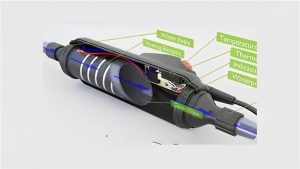
Aquarium Heater vs Inline Heater: Which One Should You Pick