Last Updated: October 21, 2026
The best pH and ORP monitor for a reef tank earns its place through simultaneous pH and ORP, reef-specific protection and automation, and genuine ozone or trend readiness — not a single headline number pulled from a spec sheet in isolation from how a reef is actually run day to day.
As an Amazon Associate we earn from qualifying purchases.
By David Nguyen
How to Choose a pH and ORP Monitor for a Reef Tank
A reef adds parameters and risk, so weigh these controllers in a clear order rather than by feature count. Start with true simultaneous pH and ORP, move to reef-specific protection and automation such as leak and level sensing, and finish with real ozone or trend readiness before judging any price tag.
Simultaneous pH and ORP
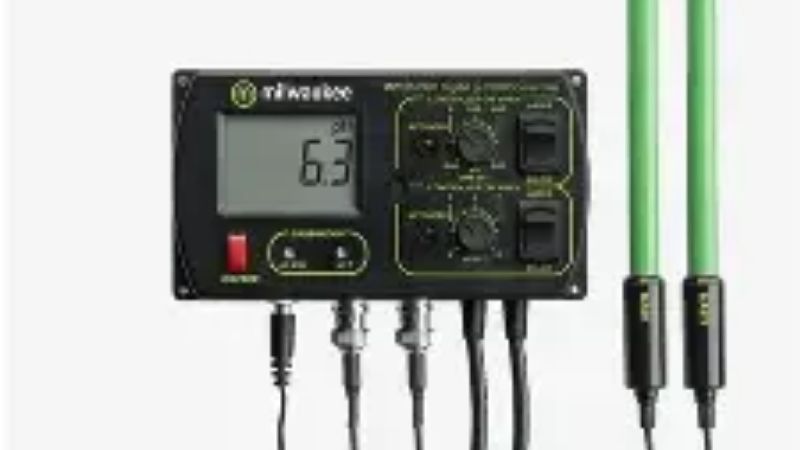
Reading pH and ORP together is the baseline this category promises, and the reef-grade units deliver it in different ways. The Neptune A3 Apex Pro exposes two pH/ORP BNC ports, and the GHL ProfiLux 4 Mega-Set 6E reads pH 3–10.5 with ORP from −1000 to 1000 mV, so both parameters log at the same time.
The HYDROS Control X4 also runs two pH/ORP ports, with the ORP probe added separately, while the Red Sea ReefControl Pro Deluxe bundles pH/temp, salinity/temp, ORP and leak. Confirm the ORP channel is included rather than a later purchase, since that omission quietly breaks the simultaneous promise you paid for.
Reef-Specific Protection and Automation
Protection breadth is where reef needs diverge sharply from freshwater. The Apex Pro includes leak detection and a 15-inch level sensor alongside pH, ORP and temperature, and drives the EB832’s eight AC outlets, so it can cut a skimmer or return pump the moment a reading crosses a threshold you set.
The Red Sea Deluxe includes leak sensing but is monitoring-first, so AC switching needs the Power 8 at about $319 extra as of 09/2026. That turns a $699 monitor into roughly $1,018 configured before it can act — a common reef surprise when switching hardware is priced separately from the head unit itself.
ORP and Ozone Readiness
If ozone is in the plan, ORP moves from a nice-to-have to a control input. BRS ozone guidance treats ORP as a control and trend signal with a clear overdose caution, which is why there is no single universal reef ORP target to punch into a controller; the safe range depends on your system, livestock and dosing.
Practically, that means pairing an ORP-capable controller with ozone only when you will actually watch the trend and set conservative limits. The Apex Pro and GHL set both expose ORP as an actionable input, but ORP is nonspecific, so read it against pH and temperature history rather than as a lone water-quality score.
Failure and Edge Cases
Plan for the SKU trap before the shopping cart, because the wrong variant silently loses a channel. The standard A3 Apex has a single pH port and no included ORP probe, so a reef buyer chasing simultaneous pH and ORP must confirm the Pro rather than the base unit, or the second channel will not be there.
Reef platforms also change quickly: Neptune ended Apex SMS notifications on 2025-11-05, so current alerting leans on push and email. Verify firmware and the exact bundle at purchase, because a controller that acts on ORP is only as reliable as the alert path standing behind it during a real overnight failure.
Top Picks
These four reef-capable pH and ORP monitors range from a full protection-and-automation platform to a monitoring-first bundle and a broad multi-parameter set. Each entry lists verified specs, a relative price tier, and the one drawback a reef keeper should weigh carefully before committing hard-earned budget.
| Product | Best For | Key Spec | Watch Out For |
|---|---|---|---|
| Neptune A3 Apex Pro | Best overall | 2 ports; leak + 15-in level; 8 outlets | Standard A3 differs from the Pro |
| Red Sea ReefControl Pro Deluxe | Best for monitoring breadth | pH, salinity, ORP, leak; up to 7 sensors | AC switching needs Power 8 (extra) |
| GHL ProfiLux 4 Mega-Set 6E | Best for multi-parameter | pH 3–10.5; redox, conductivity, temp | Powerbar is separate hardware |
| HYDROS Control X4 + ORP | Best value | 2 pH/ORP ports; 4 WiFi outlets | ORP probe is a separate add-on |
Neptune A3 Apex Pro
The Neptune A3 Apex Pro is the reef overall pick because it combines two pH/ORP BNC ports with leak detection, a 15-inch level sensor, temperature, and the EB832 and its eight AC outlets. That lets an ORP shift or a leak trigger real action instead of just lighting up a dashboard nobody is watching.
Plan on about $1,100 at BRS or under $1,200 direct as of 09/2026, which sits roughly 8% above a Red Sea Deluxe paired with the Power 8. The catch is SKU discipline: the standard A3 Apex drops to one pH port and no ORP probe, so buy the Pro if simultaneous readings on a reef are the point.
Red Sea ReefControl Pro Deluxe
The Red Sea ReefControl Pro Deluxe is the monitoring-breadth choice, bundling pH/temp, salinity/temp, ORP and leak, and scaling to seven probes or sensors with a four-port expander. For a reef that wants many parameters visible at once, it covers more channels straight out of the box than its rivals.
At about $699 at BRS as of 09/2026 it looks affordable, but it is monitoring-first, so switching equipment adds the Power 8 near $319 for roughly $1,018 configured. Budget that switching hardware up front if you expect the controller to actually cut power to a device during a reef emergency.
GHL ProfiLux 4 Mega-Set 6E
The GHL ProfiLux 4 Mega-Set 6E suits reefers who want the widest parameter set in one system. It reads pH 3–10.5 and ORP −1000 to 1000 mV and includes pH, redox, conductivity and temperature probes plus a six-socket Powerbar rated for switching connected reef equipment on its own logic.
Expect around $1,000 at GHL USA as of 09/2026, with the Powerbar as separate hardware, so the controller footprint understates the installed total on the rack. Its electrical ratings are its own; do not assume the same figures apply to an Apex or HYDROS strip sharing the same cabinet.
HYDROS Control X4 + ORP
The HYDROS Control X4 + ORP is the value entry for a reef that mainly wants solid simultaneous readings with light automation. It offers two pH/ORP ports, includes pH and temperature, and bundles four WiFi AC outlets in the Starter for switching a modest set of devices from the app.
Configured with the ORP probe it reaches about $600 as of 09/2026, up from the roughly $500 Starter. The base bundle has no leak sensor, so a reef keeper who wants flood protection should price that sensor in rather than assume the affordable Starter already covers it.
Frequently Asked Questions
Reef keepers tend to ask the same practical questions before choosing a pH and ORP monitor for the display. Each answer opens with the direct call, then adds the condition that changes it, so you can line specs up against your own system instead of chasing a generic reef ideal.
What spec should decide this purchase?
Simultaneous pH and ORP should decide it, because that is the capability the category exists to provide in the first place. A reef unit that logs both together, on the tank you actually run, beats a longer feature list or a bigger headline number you will never enable on the display.
From there, weigh reef-specific protection and ozone readiness as the tiebreakers. Leak and level sensing plus an ORP control input matter more day to day than a spec measured under conditions you cannot reproduce, and the configured price should reflect the switching hardware you truly intend to run.
Which numbers are hard facts and which are heuristics?
Port counts, probe ranges such as pH 3–10.5, and the September 2026 prices are hard manufacturer or retailer facts. The dollar gaps between bundles are equally concrete, though they move with the market, so phrase them as current snapshots rather than fixed truths carved into the spec sheet.
The interpretive layer is ORP itself. There is no universal reef ORP target, so read it as a trend against pH and temperature and set conservative limits if ozone is involved, recalibrating on the schedule your specific probe maker recommends rather than a number borrowed from another brand.
Is the highest headline number always better?
No. A wider ORP range or a larger outlet count only helps if your reef actually uses it, and figures gathered under different conditions do not compare cleanly across brands. The right pick reads pH and ORP together and protects the system at a configured cost you can genuinely defend.
That is why the Apex sits only about 8% above a Red Sea Deluxe with Power 8 rather than in a different league: both can act on readings once switching hardware is added. Extra multi-parameter breadth earns its keep only if the reef plan is genuinely going to track those additional channels.
When might a reef keeper not need this?
A reef tank does not automatically require ORP at all. If the real need is stable pH, temperature and leak protection, a controller focused on those can be the smarter buy, and a full ORP workflow may add cost and complexity without changing daily husbandry in any meaningful way.
ORP becomes worthwhile once ozone or deliberate trend monitoring is part of the routine. Until that use case is concrete, put the budget toward reliable protection and switching, and add the ORP probe later when a specific control plan makes the second channel genuinely meaningful.
Final Thoughts
For a reef, the best pH and ORP monitor for a reef tank reads both parameters together, protects the system with leak and level sensing, and is ozone-ready only if you will use it. Compare configured prices with switching hardware included, confirm the Pro SKU, and treat ORP as a trend, not a fixed target.
Best AquaIllumination Hydra LED for Coral Growth Reviews
Reef Tank Maintenance Schedule: Daily to Annual Task List