Last Updated: October 21, 2026
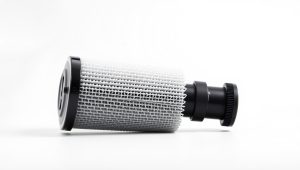
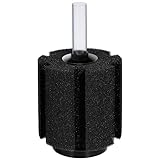
- Top Pick: AQUANEAT 6-Pack Pre-Filter Sponge for Aquarium Shrimp Fry Fish Tank Filter 0.8” Intake, Replacement Foam Cover
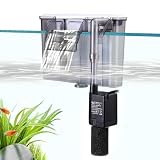
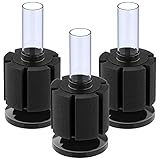
- Best Value: AQUANEAT 3 Pack Aquarium Bio Sponge Filter Breeding Fry Betta Shrimp Nano Fish Tank (Small up to 10Gal)
- Premium Choice: AQUANEAT 6-Pack Pre-Filter Sponge for Aquarium Shrimp Fry Fish Tank Filter 0.6” Intake, Replacement Foam Cover
Fry tanks and shrimp colonies live or die by gentle filtration. A power filter’s intake can vacuum up baby fish and shrimplets in seconds, which is exactly why sponge filters remain the gold standard for breeders in 2026. They run on quiet air pumps, provide huge surface area for beneficial bacteria, and cost far less than canister or HOB setups.
Below is a roundup of budget-friendly sponge filters and pre-filter foam covers that protect fry without draining your wallet. Whether you need a full sponge filter for a 10-gallon grow-out tank or just a foam cover to retrofit an existing intake, these picks keep filtration safe and affordable.
As an Amazon Associate we earn from qualifying purchases at no extra cost to you.



⚡ Save on Your Next PC — Amazon Prime
Prime members get fast free shipping on the systems above, plus early access to Prime Day & Black Friday PC deals. New members get a 30-day free trial.
Watch: Best Budget Aquarium Sponge Filters for Fry Tanks — Video Review
How to Choose
- Tank size match: Pick a sponge filter rated for your actual gallon count; oversized foam clogs slowly but undersized foam can’t keep up with bioload.
- Pore density: Finer pores (like 0.6″ intake covers) trap smaller fry and shrimp offspring better than coarse foam, at the cost of slightly more frequent rinsing.
- Air pump compatibility: Confirm the filter’s air line diameter matches your existing pump or check whether a pump is included before ordering.
- Retrofitting vs. standalone: Pre-filter sponge covers slip over existing intake tubes on canister or HOB filters, while bio sponge filters are complete standalone units.
- Multi-pack value: Buying a 6-pack or 12-pack of foam covers costs less per unit than single sponges and gives you spares for rotation while cleaning.
The Best Picks Reviewed
AQUANEAT 3 Pack Aquarium Bio Sponge Filter (Small up to 10Gal)
This is the pick most breeders reach for first. Sized for tanks up to 10 gallons, it’s ideal for betta breeding tubs, shrimp nurseries, and fry grow-out bins. The three-pack means you can run redundant filtration or stagger a spare while one sponge cycles in an established tank, which is a smart way to seed bacteria for a new setup without crashing your cycle.
AQUANEAT Aquarium Bio Sponge Filter (Large up to 60Gal)
When fry graduate into a bigger grow-out tank, this larger bio sponge filter scales up to 60 gallons of coverage. It still runs on gentle air-driven suction, so juvenile fish stay safe, but the increased foam volume handles the higher bioload of a bigger tank without needing multiple small units crowding the glass.
Pawfly 3 Pack Aquarium Sponge Filter for Tiny Fish Tanks
Built specifically for nano setups up to 10 gallons, this three-pack is a solid value alternative for betta and shrimp keepers running several small tanks at once. The foam density is tuned for quiet operation, which matters if your fry tanks sit in a bedroom or office.
AQUANEAT 6-Pack Pre-Filter Sponge, 0.8″ Intake
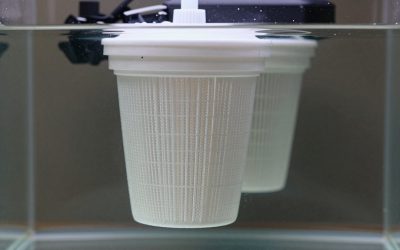
If you already own a canister or power filter you don’t want to abandon, this pre-filter sponge slips over a 0.8″ intake tube and turns a fry-unsafe filter into a fry-safe one instantly. Six sponges in a pack means you always have a clean spare ready while another soaks in tank water for rinsing.
AQUANEAT 6-Pack Pre-Filter Sponge, 0.6″ Intake
The 0.6″ version targets smaller intake tubes and finer fry, including shrimp larvae and newly hatched livebearers. The tighter pore structure catches smaller particles and offspring that a 0.8″ sponge might let slip past, making it the better choice for shrimp-heavy tanks.
Frequently Asked Questions
Do sponge filters provide enough filtration on their own?
For lightly stocked fry and shrimp tanks, yes. Sponge filters handle mechanical and biological filtration well, though very heavily stocked tanks may benefit from pairing one with a secondary filter once fish grow past the fry stage.
How often should I clean a sponge filter?
Rinse the foam in dechlorinated tank water every 1 to 2 weeks. Never use tap water or soap, since chlorine kills the beneficial bacteria colonizing the sponge.
Can I use a pre-filter sponge with any air pump or canister filter?
Pre-filter sponges just need to match your intake tube diameter, commonly 0.6″ or 0.8″. Standalone bio sponge filters need an air pump with enough output for the sponge’s size, so check the included specs or your existing pump’s rating.
Will a sponge filter cycle a new fry tank fast enough?
Cycling speed depends on bacteria colonization, not the filter type. You can speed things up by moving a sponge from an established, healthy tank into the new one, which is why keeping a spare sponge running is a common breeder trick.
Final Thoughts
For most fry and shrimp breeders, the AQUANEAT 3 Pack Bio Sponge Filter hits the sweet spot of price and size for tanks up to 10 gallons, while the AQUANEAT Large Bio Sponge Filter is the natural upgrade once fry move into bigger grow-out tanks. If you’re retrofitting an existing filter instead, the AQUANEAT 6-Pack Pre-Filter Sponge in 0.6″ intake offers the finest protection for the smallest fry and shrimp offspring.
Aquarium Sump Design Guide: Sizing, Baffles and Plumbing
Best Canister Filter Media Order and Setup: Smart Guide