Last Updated: October 4, 2026
Raising fry is about safety, separation and space more than any single product. The best breeding tank setup for fry pairs fry-safe filtration with separation from adults and a grow-out volume matched to the species, since a strong filter intake or a hungry parent can wipe out a spawn quickly.
As an Amazon Associate we earn from qualifying purchases.
By David Nguyen
Quick answer: For most people in 2026, the best breeding tank setup for fry is the 10-gallon grow-out — our #1 rated choice. See the full ranked comparison, alternatives and buying advice below.
What Fry Need to Survive and Grow
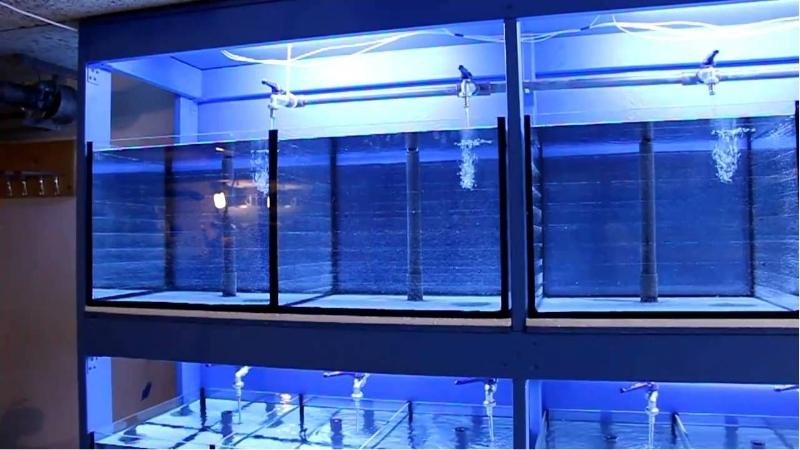
Fry are tiny and vulnerable, so the setup protects them at every stage. What matters is fry-safe filtration, separation from adults, a grow-out volume you can expand into, and heat matched to the species. The checklist below shows each component’s role, so you can assemble a setup rather than buy one box.
| Component | Role | Why It Matters | Note |
|---|---|---|---|
| 10-gallon grow-out | Main rearing tank | Stable volume to raise fry | Versatile, not universal |
| Sponge filter | Fry-safe filtration | Gentle intake, bio surface | Needs an air pump |
| Breeder box | Temporary separation | Protects fry from adults | Not a grow-out tank |
| Heater | Species-matched heat | Steady temperature to grow | Size to the tank |
Fry-Safe Filtration
The first safety concern is the filter, because an exposed intake can pull in fry. A sponge filter is the standard answer: it draws water through porous foam at a gentle intake, greatly reducing fry entrainment while adding biological surface. An Aquarium Co-Op Nano sponge filter runs around $10 as of 09/2026.
A sponge filter reduces the risk, but it does not make entrainment impossible, so do not claim fry can never be drawn in under any circumstances. It is the gentlest common option and the reason most fry tanks use one. Pair it with an air pump, airline and check valve to run it properly.
Separate Fry From Adults
Many adult fish, including parents, will eat fry, so separation is essential. A breeder box like the Ziss Premium, at about 2.4 liters and under $40 as of 09/2026, or a multi-chamber box gives temporary protection, holding fry safely apart from adults during their most vulnerable early days.
The key limit is that a breeder box is temporary protection, not a permanent grow-out tank. It is too small to raise a spawn to size, so treat it as a short-term refuge before moving fry to a proper grow-out. Confusing a breeder box for a complete rearing tank leads to stunted, overcrowded fry.
Start Small, Then Expand
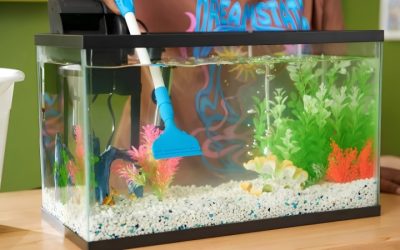
A dedicated 10-gallon grow-out with a sponge filter is a versatile baseline for many common freshwater fry, though not a universal minimum, since species differ. An Aqueon Standard 10 at around $35 plus a Nano sponge for under $10 comes to about $45 before the air pump, airline, heater and lid.
Start with a manageable grow-out and expand as the fry grow and need more room, since crowding stunts growth and fouls water. Treat the 10-gallon as a flexible starting point rather than a fixed rule, and plan for a larger tank or thinning the group as the fry develop toward adult size.
Match Heater and Temperature
Fry grow best at a stable temperature suited to their species, so a heater sized to the grow-out tank is usually needed. Steady warmth supports development and appetite, while swings slow growth and stress fry, so match the temperature to what the species requires rather than a generic figure.
Add a thermometer to confirm the water holds steady, and avoid the temperature fluctuations a small tank is prone to. Because requirements vary by species, research your fish’s ideal range and set the heater accordingly. Consistent, species-appropriate heat is one of the biggest factors in raising healthy fry.
Components and Options for a Fry Setup
These pieces combine into a working fry setup: a grow-out tank, a sponge filter, and breeder boxes for temporary separation. They are components rather than competing all-in-ones, since a box and a tank do different jobs. Confirm current pricing and add the air-pump accessories before spawning.
10-Gallon Grow-Out
The Aqueon Standard 10 is the versatile grow-out core, a 20.25 by 10.5 by 12.625-inch tank at around $35 as of 09/2026 (Aqueon, 2026). Its size holds water steadier than a tiny container while staying affordable, making it a flexible baseline for rearing many common freshwater fry to size.
It is a baseline, not a universal minimum, so scale up for larger spawns or bigger species. Paired with a sponge filter, heater and lid, it becomes a complete rearing tank. For most beginner fry projects, a 10-gallon grow-out is the practical, economical foundation to build the rest of the setup around.
Sponge Filter
An air-driven sponge filter, such as the Aquarium Co-Op Nano at around $10 as of 09/2026, is the fry-safe filtration choice. It pulls water gently through coarse foam, reducing the chance of fry being sucked in while providing biological surface for beneficial bacteria, exactly what a rearing tank needs.
Remember it needs an air pump, airline and ideally a check valve to run, which add to the cost. It reduces but does not eliminate entrainment risk, so it is the gentlest option rather than a guarantee. For any fry tank, a sponge filter is the standard, inexpensive way to filter safely.
Ziss Premium Breeder Box
The Ziss Premium Breeder Box, about 2.4 liters at around $30 as of 09/2026, gives temporary fry separation. At 5.5 by 5.5 by 5.9 inches it holds fry safely apart from adults during their vulnerable early days, and it is roughly 26% larger than the Fluval multi-chamber box by volume.
Its role is short-term protection, not long-term rearing, since it is far too small to grow a spawn out. Use it to shelter fry immediately after spawning, then move them to the grow-out tank. Treating it as a complete grow-out would crowd and stunt the fry, so keep its purpose in mind.
Fluval Multi-Chamber Box
The Fluval Multi-Chamber Holding and Breeding Box, up to about 0.5 US gallon (1.9 liters) with up to three removable compartments, needs roughly 1 liter per minute of external air (Fluval, 2026). At 10.25 by 5.5 by 4.75 inches, its partitions let you separate multiple fry batches or a single fish temporarily.
A reliable current US price was not verified, so confirm it before buying. Like the Ziss, it is temporary separation rather than a grow-out tank, and it requires an air pump to circulate water. For flexible short-term holding of fry or a fish needing isolation, its multi-chamber design is useful.
Frequently Asked Questions
Fry keepers ask the same things: why use a sponge filter, whether a breeder box replaces a grow-out tank, how big a fry tank should be, and whether fry need a heater. Short answers first, then the caveats.
Why use a sponge filter for fry?
Because it filters gently. A sponge filter draws water through foam at a low-velocity intake, greatly reducing the chance of fry being pulled in, while adding biological surface for the bacteria that keep water safe. That combination of gentle intake and biofiltration is exactly what a rearing tank needs.
It does not make entrainment impossible, so do not assume fry can never be sucked in; it simply reduces the risk far below an open filter intake. A sponge filter also runs cheaply on an air pump, which is why it is the standard filtration for fry and delicate tanks alike.
Can a breeder box replace a grow-out tank?
No. A breeder box is temporary protection, not a permanent grow-out. Boxes like the Ziss or Fluval hold only a couple of liters, far too little to raise a spawn to size, so they shelter fry from adults briefly before you move them to a proper grow-out tank.
Using a box as a long-term rearing space crowds the fry, fouls the water and stunts growth. Think of it as a short-term refuge during the most vulnerable days, then transfer the fry to a 10-gallon or larger grow-out where they have the volume and stability to develop properly.
How big a tank for fry?
A 10-gallon grow-out is a versatile baseline for many common freshwater fry, though not a universal minimum, since species and spawn sizes vary. It holds water steadier than a small container while staying affordable, making it a sensible starting point for most beginner breeding projects.
Scale up for larger species or big spawns, and be ready to thin the group or move fry to a bigger tank as they grow, since crowding stunts them. Treat the 10-gallon as a flexible starting point rather than a fixed rule, matching the volume to how many fry you are actually raising.
Do fry need a heater?
Usually yes, matched to the species. Fry grow best at a stable, species-appropriate temperature, and most tropical fry need a heater to hold that steadily, since small tanks swing easily. Steady warmth supports development and appetite, while fluctuations slow growth and stress the fry.
Size the heater to the grow-out tank and use a thermometer to confirm it holds. Because requirements differ by species, research your fish’s ideal range rather than applying a generic temperature. Consistent, correct heat is one of the most important factors in raising fry to healthy adults.
Final Thoughts
The best breeding tank setup for fry combines fry-safe sponge filtration, separation from adults and a grow-out volume matched to the species, with steady heat. A 10-gallon grow-out and a sponge filter form the core, breeder boxes give temporary protection, and a heater keeps growth on track. Build from safe filtration and separation, and expand the space as the fry grow.
As an Amazon Associate we earn from qualifying purchases at no extra cost to you. Prices and availability are accurate as of the date shown and are subject to change.
Ready to decide? Our #1 pick for 2026 is the 10-gallon grow-out.
Live price & availability on Amazon.
Related Reviews & Guides

6 Best Sturdy Fish Tank Stands 2026
Best Aquarium Setup for Betta Fish: Top Compared Tank Guide