Last Updated: October 4, 2026
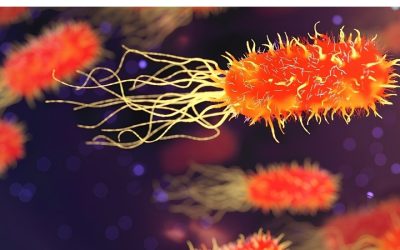
A bottle of bacteria speeds a cycle along, but it does not replace the cycle itself. The best bacteria starter for cycling a tank seeds nitrifying bacteria to colonize faster, yet you still have to dechlorinate the water, supply an ammonia source, keep oxygen up, and test, because none of that comes in the bottle.
As an Amazon Associate we earn from qualifying purchases.
By David Nguyen
Quick answer: For most people in 2026, the best bacteria starter for cycling a tank is the FritzZyme TurboStart 700 — our #1 rated choice. See the full ranked comparison, alternatives and buying advice below.
How to Choose a Bacteria Starter
Choosing well means knowing what bottled bacteria can and cannot do. They seed nitrifiers, but you still dechlorinate first, provide an ammonia source for them to eat, test rather than guess, and keep oxygen, pH, and temperature in range, because those four conditions decide whether the colony actually establishes.
Dechlorinate First
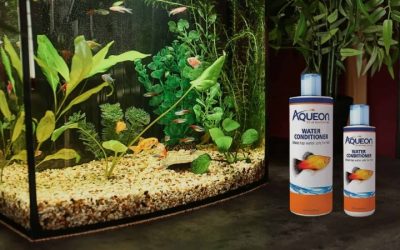
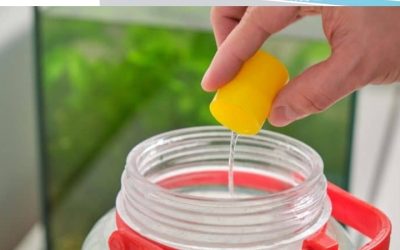
Chlorine and chloramine in tap water will harm the very bacteria you are trying to seed, so dechlorination has to come first. A bacteria starter does not replace a dechlorinator, and adding live nitrifiers to untreated tap water risks killing them before they colonize anything.
So treat new water with a conditioner, then add the bacteria, following the manufacturer’s order of operations. FritzZyme’s own protocol makes this explicit, calling to dechlorinate, provide an ammonia source, aerate, and test, which is the sequence that gives the seeded bacteria a fighting chance.
Bacteria Need an Ammonia Source
Nitrifying bacteria are living organisms that need ammonia to eat, so seeding them into a tank with no ammonia source starves them. In a fishless cycle you supply ammonia deliberately, and Fritz’s protocol keeps ammonia below about 4 ppm so it feeds the colony without becoming toxic to it.
This is why simply pouring in a bottle and walking away does not fully cycle a tank instantly. The bacteria have to grow to match the bioload, so give them food, whether that is dosed ammonia in a fishless cycle or a light, carefully monitored stocking, and let the colony catch up.
Test Instead of Guessing
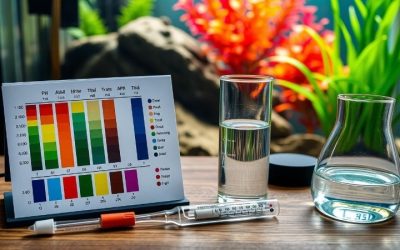
You cannot see bacteria, so the only way to know a cycle is progressing is to test ammonia and nitrite. A starter accelerates colonization, but no ammonia testing needed is a myth, since readings are how you confirm the colony can actually process the tank’s waste before you trust it.
Watch ammonia rise and fall, then nitrite rise and fall, and finally nitrate appear, which is the signature of a working cycle. Test through the process rather than assuming the bottle did the job, and only add or increase livestock once ammonia and nitrite both read zero.
Oxygen, pH, and Temperature
Nitrifying bacteria work best within suitable ranges of oxygen, pH, and temperature, so the environment affects how fast they establish. Good aeration matters because nitrification consumes oxygen, and very low pH or cold water slows the bacteria down regardless of how many you seeded.
So keep the tank aerated and within a sensible temperature and pH band while cycling, rather than expecting the bottle to overcome poor conditions. The mechanism is simple: nitrifiers colonize surfaces and oxidize ammonia to nitrite to nitrate, but only when the water gives them what they need.
Top Picks
Four starters cover the range from a concentrated fast-start bottle to structured multi-day protocols, with the overall pick reserved for genuine fast freshwater startup. Prices are relative and current as of 09/2026, and because each brand’s cycling claim is defined differently, do not read them as directly comparable speed benchmarks.
| Product | Best For | Key Spec | Watch Out For |
|---|---|---|---|
| FritzZyme TurboStart 700 | Best overall fast freshwater startup | 1 oz/50 gal; concentrated nitrifiers | Refrigerated, live; use by protocol |
| API Quick Start | Easy mainstream starter | 10 mL/10 gal; live nitrifiers | Still test before trusting the cycle |
| Fluval Cycle | Structured 3-day plan | Day 1 25 mL/10 gal; days 2-3 10 mL | Follow the multi-day schedule |
| Seachem Stability | Seven-day protocol | Day 1 5 mL/10 gal; then daily x7 | Slower, protocol-driven approach |
FritzZyme TurboStart 700 – Best Overall for Fast Freshwater Startup
TurboStart 700 is the pick for a fast freshwater start, a concentrated dose of freshwater nitrifiers at 1 oz per 50 gallons, around $30 for 4 oz as of 09/2026. Fritz’s guide reports an average full establishment of roughly three to four days when its protocol is followed, which is why it leads for speed.
It is a live, refrigerated product, so handle and store it per the label and follow the dechlorinate-feed-aerate-test sequence. The overall label is about fast startup specifically, not a promise of an instant cycle, so still test ammonia and nitrite before you trust the tank with a full bioload.
API Quick Start – Easy Mainstream Starter
API Quick Start is the accessible mainstream option, live patented nitrifying bacteria dosed at 10 mL per 10 gallons, around $15 for 16 oz as of 09/2026. Its manufacturer permits adding fish immediately, which makes it popular for keepers who want a straightforward, widely stocked starter.
Even with an immediate-fish claim, treat it as a head start rather than a finished cycle, and keep testing while the colony grows to match the load. Stock lightly at first and confirm ammonia and nitrite stay at zero, since the bacteria still need time and food to fully establish.
Fluval Cycle – Structured 3-Day Plan
Fluval Cycle offers a structured three-day startup, dosing 25 mL per 10 gallons on day one and 10 mL per 10 gallons on days two and three, around $10 for 8.4 oz as of 09/2026. The defined schedule appeals to keepers who like a clear, front-loaded plan.
Follow the multi-day dosing rather than treating it as a single pour, since the schedule is how the product is designed to work. As with any starter, pair it with an ammonia source and testing, and let the readings, not the calendar alone, tell you when the cycle is truly established.
Seachem Stability – Seven-Day Protocol
Seachem Stability uses a seven-day protocol, 5 mL per 10 gallons on day one then 5 mL per 20 gallons daily for a week, around $10 for 250 mL as of 09/2026. Its measured approach suits keepers willing to dose steadily over the first week of a new tank.
The seven-day schedule is slower to complete than a concentrated fast-start bottle, so it is protocol-driven rather than instant. Keep aeration up and test throughout, and remember Stability doubles as an ongoing maintenance supplement, which makes it a flexible bottle to keep on hand after cycling.
Frequently Asked Questions
Bacteria-starter questions focus on instant cycling, the need for an ammonia source, UV sterilizers, and how to know a cycle is finished. Each answer leads with the direct call, then the condition or caveat that changes it for your particular new tank.
Does a Starter Instantly Cycle a Tank?
No, adding bacteria does not make a tank instantly fully cycled, despite how some products are marketed. A starter seeds nitrifiers so they colonize faster, but the colony still has to grow to match your bioload, which takes time and a steady ammonia source to feed on.
Some products permit adding fish right away, which is a head start, not a finished cycle. Stock lightly, keep testing ammonia and nitrite, and only increase the load once both read zero, rather than trusting a bottle to do the whole job the moment you pour it in.
Do I Need an Ammonia Source?
Yes, because nitrifying bacteria eat ammonia, so seeding them into a tank with no ammonia source starves the colony you are trying to build. In a fishless cycle you dose ammonia deliberately, keeping it in a workable range so it feeds the bacteria without reaching toxic levels.
With fish present, their waste supplies ammonia, but a light initial stocking keeps it from spiking beyond what the young colony can handle. Either way, the bacteria need food to establish, so plan the ammonia source as part of cycling rather than expecting the bottle alone to suffice.
Will a UV Sterilizer Affect a Starter?
It can, because a UV sterilizer targets free-floating microorganisms, and running it while dosing bottled bacteria may reduce the population still suspended in the water before it settles onto surfaces. Many keepers turn the UV off for a period after dosing to give the bacteria a chance to colonize.
Once the bacteria have attached to filter media and surfaces, the UV has far less effect on the established biofilter. Check the starter’s instructions, and if in doubt, leave the sterilizer off for the window the manufacturer suggests, then resume normal operation after the colony has settled in.
How Do I Know the Cycle Is Complete?
The cycle is complete when the tank can convert ammonia fully, shown by ammonia and nitrite both reading zero while nitrate is present, after a full waste load. Testing is the only way to confirm this, since you cannot see the bacteria or judge capacity by appearance.
Watch the classic pattern: ammonia rises and falls, nitrite rises and falls, and nitrate accumulates, at which point a water change manages the nitrate. Confirm the tank holds zero ammonia and nitrite for several days under load before considering it cycled and safe for a full stocking.
Final Thoughts
The best bacteria starter for cycling a tank speeds colonization, which is why concentrated TurboStart 700 leads for fast freshwater startup while API Quick Start, Fluval Cycle, and Seachem Stability suit different dosing styles. Remember a starter does not instantly cycle a tank or replace a dechlorinator, that the bacteria need an ammonia source to feed on, and that testing ammonia and nitrite is the only way to confirm the cycle is truly done.
As an Amazon Associate we earn from qualifying purchases at no extra cost to you. Prices and availability are accurate as of the date shown and are subject to change.
Ready to decide? Our #1 pick for 2026 is the FritzZyme TurboStart 700.
Live price & availability on Amazon.
Related Reviews & Guides
How to Clean Aquarium Filter Media Without Losing Bacteria
Bristlenose Pleco Care Guide: The Best Algae-Eating Catfish for Beginners