Last Updated: October 4, 2026
Aquarium salt is a targeted tool, not a routine requirement or a universal cure. The best aquarium salt for freshwater fish health is a plain sodium-chloride freshwater salt dosed precisely for electrolyte support or a specific treatment, used with care around plants and salt-sensitive species rather than added to every tank by habit.
As an Amazon Associate we earn from qualifying purchases.
By David Nguyen
Quick answer: For most people in 2026, the best aquarium salt for freshwater fish health is the API Aquarium Salt — our #1 rated choice. See the full ranked comparison, alternatives and buying advice below.
How to Choose Aquarium Salt for Freshwater Fish
Choosing salt well means understanding what it does, how it behaves in the tank, which fish and plants tolerate it, and the difference between a maintenance dose and a treatment dose. Get those four things right and salt becomes a precise aid rather than a blunt instrument that stresses the wrong tank.
What Salt Actually Does
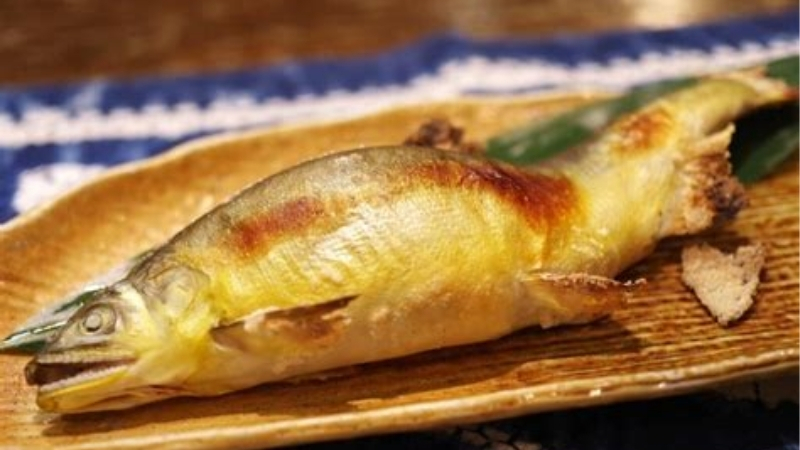
Aquarium salt is sodium chloride used to support electrolyte balance and osmoregulation, and at higher doses as a short-term treatment aid. Both API Aquarium Salt, made from evaporated sea water, and Fritz A+ Aquarium Salt are plain freshwater salts intended for these targeted uses, not general water conditioning.
It is not a cure for every disease, so do not treat salt as a catch-all remedy dumped in at the first sign of trouble. Use it deliberately for its known effects, and reach for a dedicated medication when a specific illness calls for one rather than relying on salt alone.
Salt Does Not Evaporate Out
A crucial behavior is that dissolved salt stays in the tank when water evaporates, because only the water leaves as vapor. This means topping off evaporated water with a full salt dose steadily raises salinity, which is why API notes its salt does not evaporate or filter out of the water.
So only replace the salt that corresponds to water you physically removed, such as during a water change, not water lost to evaporation. Add a full dose after an evaporation top-off and you will slowly overdose the tank, stressing fish and any salt-sensitive inhabitants.
Species and Plant Restrictions
Salt tolerance varies widely, so restrictions matter before you dose. Many plants and salt-sensitive species, including some catfish and other scaleless fish, react poorly to salt, so API and Fritz both flag caution for planted tanks and sensitive species you should heed.
Because of this, salt is best used in dedicated or quarantine tanks when treating, rather than dosed into a mixed planted community. Confirm every inhabitant tolerates salt before adding it, and consider a separate treatment tank when a sensitive species or a heavily planted display is involved.
Maintenance Versus Treatment Dose
The dose depends entirely on the goal, and the protocols are not interchangeable. A standard supportive dose is about one tablespoon per five gallons, livebearers can be brought up to roughly one tablespoon per gallon gradually, and a short parasite bath uses a far stronger concentration for a limited time.
Treat those as separate, purpose-specific regimens rather than a single dose you scale up freely. Match the amount to whether you are giving light electrolyte support or running a targeted treatment, and never assume the maintenance dose and a treatment bath are the same thing.
Top Picks
Because the verified briefs cover two plain freshwater salts, the picks pair those products with the two dosing protocols that actually determine results. Prices are relative and current as of 09/2026, and since both salts are the same chemical, the meaningful choice is value and how you dose rather than brand.
| Option | Best For | Key Spec | Watch Out For |
|---|---|---|---|
| API Aquarium Salt | Best overall | 1 tbsp/5 gal; NaCl from sea water | Doesn’t evaporate out; plant caution |
| Fritz A+ Aquarium Salt | Best value | 1 tbsp/5 gal; ~8.9% cheaper (16 oz) | Same salt-sensitive cautions apply |
| Standard maintenance dose | Routine electrolyte support | 1 tbsp/5 gal; livebearer ramp to 1 tbsp/gal | Not a permanent additive to top off |
| Short-term treatment bath | Targeted parasite protocol | ~2.5% strength, 15-30 min dip | Separate protocol; not tank-wide |
API Aquarium Salt – Best Overall
API Aquarium Salt is the default choice, a plain sodium-chloride salt made from evaporated sea water and dosed at one rounded tablespoon per five gallons, at around $5 for 16 oz as of 09/2026. It is widely available and clearly labeled for freshwater electrolyte support and treatment use.
Remember it does not evaporate or filter out, so only replace salt for water you physically remove, and use caution with plants and salt-sensitive species. As the most common option it is easy to source, but it is not a cure-all, so dose it for a specific purpose rather than by habit.
Fritz A+ Aquarium Salt – Best Value
Fritz A+ Aquarium Salt is the same category of plain freshwater salt at a lower price, around $4.99 for a one-pound bag versus API’s under $10 for 16 oz, making it roughly 8.9% cheaper for a comparable amount as of 09/2026. It uses the same standard dose of one tablespoon per five gallons.
Fritz also documents a livebearer upper range and a treatment-bath protocol, so it covers the same use cases as API. The salt-sensitive and plant cautions are identical, so choose Fritz to save a little on an otherwise equivalent product rather than expecting different behavior.
Standard Maintenance Dose – Routine Electrolyte Support
The standard maintenance regimen is about one tablespoon per five gallons for general electrolyte and osmoregulatory support, with livebearers brought up to roughly one tablespoon per gallon gradually if desired. This is the everyday dose, applied thoughtfully and only where every inhabitant tolerates salt.
It is not a permanent additive you top off after evaporation, since salt stays behind when water leaves as vapor. Replace it only in proportion to water physically changed out, and skip it entirely in planted or salt-sensitive tanks where it would do more harm than good.
Short-Term Treatment Bath – Targeted Protocol
For targeted treatment, a short-term bath uses a much stronger concentration, on the order of a 2.5% solution for roughly 15 to 30 minutes, as a separate protocol from tank-wide dosing. It is used to address specific parasites, typically in a dedicated container rather than the display tank.
Because the strength is far higher than a maintenance dose, it is time-limited and species-dependent, so follow the exact protocol and watch the fish closely. Never confuse this bath with the standard dose, and never leave a fish in a high-concentration bath beyond the intended window.
Frequently Asked Questions
Aquarium-salt questions focus on the correct dose, evaporation, planted tanks, and how aquarium salt differs from marine salt mix. Each answer leads with the direct call, then the caveat that changes it for your particular tank and its inhabitants.
How Much Aquarium Salt Should I Use?
For general support, the standard dose is about one tablespoon per five gallons, while livebearers can be raised to roughly one tablespoon per gallon gradually if you keep species that tolerate it. A treatment bath uses a much stronger, time-limited concentration and is a separate protocol entirely.
Match the amount to your goal rather than scaling one dose up freely, since maintenance and treatment regimens are not interchangeable. Confirm every inhabitant tolerates salt first, and when treating a sensitive fish, use a dedicated container rather than dosing the whole display.
Do I Add Salt After Evaporation?
No, because dissolved salt stays in the tank when water evaporates, so the water lost to evaporation carried no salt with it. Adding a full dose after an evaporation top-off steadily raises salinity and can overdose the tank, stressing fish and any salt-sensitive inhabitants over time.
Only replace salt in proportion to water you physically remove, such as during a water change where salted water actually leaves. Top off evaporation with plain dechlorinated water, and re-dose salt only for the volume you genuinely changed out to keep concentration stable.
Can I Use Salt in a Planted Tank?
Generally not, because many plants are salt-sensitive and can be damaged by concentrations fish tolerate, which is why both API and Fritz flag caution for planted tanks. If you need to treat a fish from a planted display, a separate quarantine or treatment tank is the safer approach.
Some keepers use very low doses in lightly planted setups, but the risk to sensitive species and plants makes it a case-by-case decision, not a routine one. When in doubt, keep salt out of the planted display and treat affected fish elsewhere with the appropriate protocol.
Is Aquarium Salt the Same as Marine Salt Mix?
No, aquarium salt is plain sodium chloride for freshwater use, while marine salt mix is a blend of many minerals formulated to create saltwater at a target salinity for marine tanks. They are not interchangeable, so do not use one in place of the other.
Using aquarium salt to make up a marine tank would leave out the calcium, magnesium, and other elements reef and marine life need. Use aquarium salt only for its freshwater support and treatment roles, and reserve marine salt mix for actual saltwater aquariums, since mixing the two up leaves a marine tank under-mineralized or needlessly salts a freshwater one.
Final Thoughts
The best aquarium salt for freshwater fish health is a plain sodium-chloride salt like API or the cheaper Fritz A+, dosed precisely for the job rather than added by habit. Treat it as a targeted electrolyte aid or a specific treatment, remember it does not evaporate out so you only replace what you physically remove, keep it away from plants and salt-sensitive species, and never confuse the maintenance dose with a short treatment bath.
As an Amazon Associate we earn from qualifying purchases at no extra cost to you. Prices and availability are accurate as of the date shown and are subject to change.
Ready to decide? Our #1 pick for 2026 is the API Aquarium Salt.
Live price & availability on Amazon.
Related Reviews & Guides
6 Best Stands For 50 Gallon Fish Tank 2026
How to Clear Green Aquarium Water: Three Methods Compared