Last Updated: October 4, 2026
Shrimp are tiny, so a safe intake and stable water matter more than a fancy tank. The best aquarium for shrimp keeping pairs a protected filter intake with a stable volume and plenty of planted surface, because shrimplets can be pulled into an unguarded intake and small tanks swing chemistry fast.
As an Amazon Associate we earn from qualifying purchases.
By David Nguyen
What Shrimp Need in a Tank
Shrimp keeping is about safety and stability at a small scale. What matters is protecting the filter intake, matching volume to the shrimp type, providing planted and biofilm surfaces, and valuing stable water over the tiniest footprint. These four keep a colony safe and thriving rather than slowly disappearing.
Protect the Filter Intake
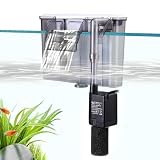
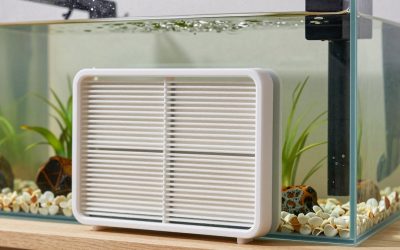
The single most important safety step is guarding the intake, because shrimplets can physically enter coarse openings and be lost to the filter. A sponge prefilter over a hang-on-back or canister intake reduces that pathway, which is why any shrimp tank using such a filter needs one added.
Do not assume a kit’s stock intake is shrimp-safe; for example, the Fluval Flex 9’s suitability for newborn shrimp is not verified. Whatever tank you choose, plan to fit a sponge prefilter or a shrimp-safe filter. This physical safety requirement is implicit in shrimp keeping and easy to overlook.
Match Volume to Shrimp Type
Different shrimp suit different volumes. Aqueon groups ghost, Amano and bamboo shrimp at 10 to 55 gallons, while red cherry, crystal and bee shrimp suit 10 gallons or smaller (Aqueon, 2026). So the right size depends on which shrimp you keep and how large a colony you want.
Smaller neocaridina like cherries thrive in nano tanks, while larger or filter-feeding shrimp appreciate more room. Match the volume to the species rather than defaulting to the smallest tank, and remember that not all caridina need soft water; requirements vary by species, so research your specific shrimp.
Plants and Biofilm Surface
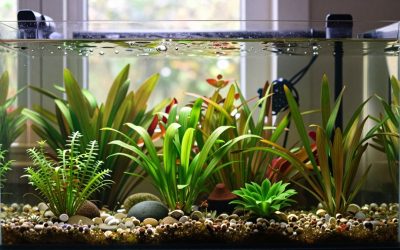
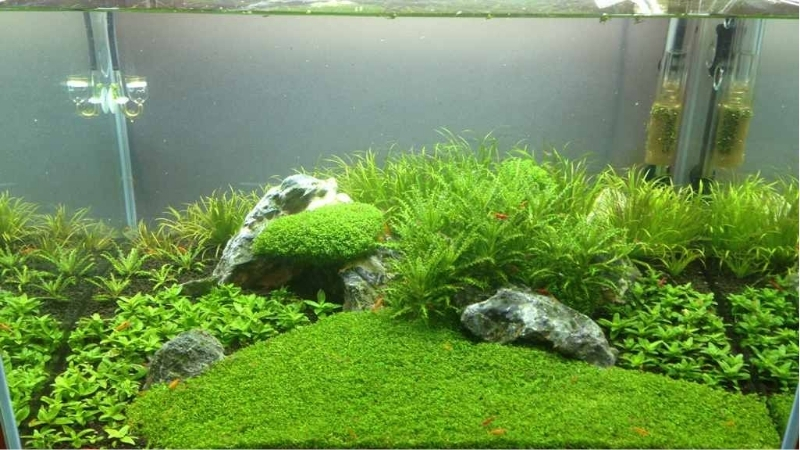
Shrimp graze on biofilm, so surfaces to colonize are part of a good shrimp tank. Live plants, moss and hardscape give shrimp grazing area and cover, supporting a colony far better than a bare tank. A planted display like the Fluval Flex 9, with its 1,900-lumen light, encourages that growth.
More surface area means more biofilm and more places for shrimplets to hide, which improves survival. Prioritize a tank you can plant heavily and light well, since the plants and the film they host feed and shelter the colony continuously between feedings.
Stable Water Beats a Tiny Footprint
Shrimp are sensitive to swings, so stable water matters more than squeezing into the smallest tank. A slightly larger volume holds parameters steadier, which is why many keepers prefer a 10 or 20-gallon over a pico. The Aqueon 20 Long’s larger volume, for instance, buffers changes better than a 5-gallon.
Because a small tank’s chemistry shifts quickly, understocking and choosing a stable volume protect a colony from crashes. Weigh the stability of the water against the appeal of a tiny footprint, and lean toward the size that stays steady, since consistency is what lets a shrimp colony grow.
Best Shrimp Aquariums
These four span a flexible bare tank, an integrated planted display, a compact colony kit and a larger colony tank. They are separated by volume and how you outfit them, with intake safety the shared requirement. Confirm current pricing and plan a prefilter before buying, since stock intakes vary.
| Product | Best For | Key Spec | Watch Out For |
|---|---|---|---|
| Aqueon Standard 10 | Flexible build | 20.25×10.5 in; 10 gal | Add a sponge prefilter |
| Fluval Flex 9 | Integrated planted display | 9 gal; 1900 lm light | Stock intake unverified |
| Aqueon MiniBow 5 | Compact colony | 5 gal; ~55 lb filled | Small volume swings fast |
| Aqueon 20 Long | Larger colony or Amano | 30.25×12.5 in; 20 gal | Heavier; needs stand |
Aqueon Standard 10
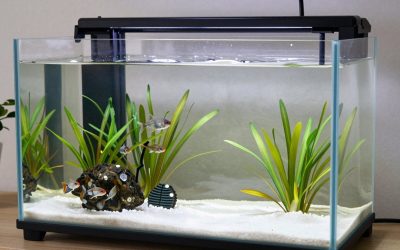
The Aqueon Standard 10 is the flexible platform, a bare 20.25 by 10.5 by 12.125-inch tank at around $35 at Petco as of 09/2026 (Aqueon, 2026). Its low cost lets you invest in a shrimp-safe filter, plants and substrate, building exactly the setup a cherry-shrimp colony needs.
It earns the top slot only when you add intake protection, since a bare tank has no filter of its own. That flexibility is the point: choose a sponge filter or prefilter suited to shrimp. For a customizable, affordable shrimp tank at a stable 10-gallon volume, it is the strongest foundation.
Fluval Flex 9
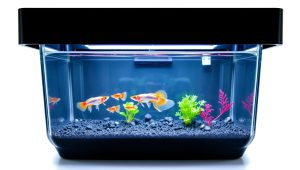
The Fluval Flex 9 is the integrated planted display, a 9-gallon tank with a 61 GPH pump and a bright 39-LED, 1,900-lumen light in a compact cube (Fluval, 2026). Its lighting supports the live plants and biofilm shrimp graze on, and the enclosed design gives a tidy planted look.
The caveat is intake safety: the stock inlet’s suitability for newborn shrimp is not verified, so fit a sponge prefilter before adding a breeding colony. With that protection, its planted-display format suits shrimp well. For a self-contained, well-lit shrimp cube, it is attractive once the intake is guarded.
Aqueon MiniBow 5
The Aqueon MiniBow 5 is the compact colony option, a 5-gallon SmartClean kit at around $75 at Petco as of 09/2026 (Aqueon, 2026). Its small size suits a modest neocaridina colony in a spot where a larger tank will not fit, with the kit’s filter needing a shrimp-safe intake.
At 5 gallons the water swings faster, so understock and keep maintenance consistent to protect the colony. It is a valid small shrimp tank, but the stability trade-off is real. For a compact cherry-shrimp setup where space is tight, it works, provided you respect the demands of the small volume.
Aqueon 20 Long
The Aqueon 20 Long is the larger-colony choice, a 30.25 by 12.5 by 12.75-inch tank at around $70 at Petco as of 09/2026 (Aqueon, 2026). Its bigger volume holds parameters steadier and suits a growing colony or larger shrimp like Amano, giving nearly 78% more floor than a 10-gallon.
The extra water and floor area make it the most forgiving here and the best for a thriving, expanding colony. It is heavier at about 225 pounds filled, so it needs a proper stand. For keepers who want stability and room to grow a shrimp population, the 20 long is the roomiest pick.
Frequently Asked Questions
Shrimp keepers ask the same things: how to stop the filter eating shrimp, what size tank cherries need, whether shrimp need live plants, and whether a nano kit is automatically shrimp-safe. Short answers first, then the caveats.
How do I stop my filter sucking up shrimp?
Fit a sponge prefilter over the intake, or use a sponge filter, so shrimplets cannot enter the openings. Coarse stock intakes are large enough for baby shrimp to be pulled in, and a prefilter blocks that pathway while still letting the filter work, which is why it is essential in a shrimp tank.
Check the prefilter fits your intake snugly and clean it regularly so flow stays adequate. This simple addition is the difference between a colony that grows and one that slowly vanishes into the filter, so treat it as required rather than optional on any hang-on-back or canister setup.
What size tank for cherry shrimp?
Cherry shrimp suit 10 gallons or smaller (Aqueon, 2026), so a nano works well for a neocaridina colony. That said, a slightly larger volume holds water parameters steadier, which many keepers prefer for a growing colony, so 10 gallons is a comfortable, stable choice rather than a strict ceiling.
Match the tank to how big a colony you want and how stable you can keep the water. Smaller tanks demand more consistent maintenance because they swing faster, so if you are new to shrimp, a 10-gallon offers a good balance of size, stability and manageability.
Do shrimp need live plants?
They benefit greatly from them. Shrimp graze on the biofilm that grows on plants, moss and hardscape, so live plants provide food, cover and grazing surface that a bare tank lacks. A planted tank supports a larger, healthier colony and gives shrimplets places to hide and survive.
If live plants are not practical, at least add moss, leaf litter or other surfaces for biofilm to colonize. The goal is grazing area and cover, which plants supply best, so a well-planted tank is one of the simplest ways to help a shrimp colony flourish between feedings.
Is a nano kit automatically shrimp-safe?
No. A small kit is not shrimp-safe just because it is nano-sized; the stock filter intake may still endanger shrimplets, as with the Flex 9’s unverified inlet. Always check and, if needed, add a sponge prefilter before treating any kit as ready for a breeding shrimp colony.
Size and shrimp safety are separate issues, so do not assume one implies the other. Inspect the intake, guard it, and confirm the flow is gentle before adding shrimp. A little preparation turns a standard nano kit into a genuinely shrimp-safe home rather than a hazard.
Final Thoughts
The best aquarium for shrimp keeping pairs a protected filter intake with a stable volume and planted, biofilm-rich surfaces, matched to your shrimp type. The Aqueon 10 is the flexible foundation, the Flex 9 a planted display, the MiniBow 5 a compact colony, and the 20 long the roomiest. Guard the intake, plant heavily, and favor stable water over the smallest possible tank.
As an Amazon Associate we earn from qualifying purchases at no extra cost to you. Prices and availability are accurate as of the date shown and are subject to change.

Aquarium Salt for Betta Fish: Uses, Risks & Best Picks 2026
Flakes vs Pellets for Fish: Compared by the Real Numbers