Last Updated: October 4, 2026
Quick answer: Our top pick in 2026 is the DIY sponge on an existing air line — our #1 rated choice. See the full ranked comparison, alternatives and buying advice below.
The Short Answer
Yes—if your aquarium has an air pump and you prioritize gentle, reliable biological filtration over a sleek look. Sponge filters are inexpensive, easy to maintain, and especially safe for shrimp, bettas, fry, and other small fish. Their main downside is that they take up visible tank space and need an air pump, airline tubing, and a check valve to work.
For most nano tanks and lightly stocked freshwater setups, a sponge filter is one of the best values in aquarium equipment. It is not the right choice for every tank, though. Large, heavily stocked aquariums, messy goldfish tanks, and display tanks where equipment needs to disappear may need stronger or less visible filtration.
As an Amazon Associate we earn from qualifying purchases at no extra cost to you.

What You Actually Get
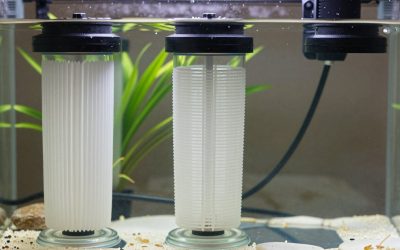
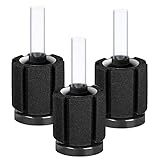
A sponge filter is a block or cylinder of porous foam attached to a plastic lift tube. An external air pump pushes air through airline tubing into the tube. As bubbles rise, they pull aquarium water through the sponge. The sponge catches debris while providing a huge surface area for beneficial bacteria that process fish waste.
Most complete sponge filters include the foam body, a weighted base, lift tube, air stone or diffuser, and sometimes suction cups. They usually do not include the air pump, tubing, check valve, or airline control valve. Budget accordingly: a basic air pump setup commonly adds $12 to $25, depending on noise level and whether it runs one or two outlets.
Small nano sponge filters are often about 2 to 3 inches wide and 4 to 6 inches tall, intended for tanks up to roughly 10 gallons. A small three-pack such as the AQUANEAT Bio Sponge Filter set can cost around $5, or about $2.33 per filter before the cost of air equipment. Replacement foam pads, including ALEGI-style cut-to-fit bio filter sponges, can cost around $10 per pack.
For a 20-gallon tank, look for a medium unit with a base roughly 3 to 4 inches across and a height near 6 to 8 inches. Larger dual-sponge models can stand 8 to 12 inches tall and may be suitable as supplemental filtration in 40- to 75-gallon aquariums. Tank size claims vary by manufacturer, so stocking level matters more than the number printed on the box.
The filter itself uses no electricity. The air pump does, usually drawing about 2 to 5 watts for a small single-outlet model. That is a very low operating cost, but the pump’s hum and bubble noise are real quality-of-life considerations if the aquarium sits in a bedroom or office.
Pros
- Very safe for shrimp and baby fish. Water is pulled gently through foam instead of through a powerful intake grate. Shrimplets, betta fins, fish fry, and delicate species are far less likely to be trapped or injured.
- Excellent biological filtration. The porous sponge gives nitrifying bacteria plenty of colonization space. Once matured, it helps convert toxic ammonia and nitrite as part of a properly cycled aquarium.
- Low purchase cost. A basic sponge filter commonly costs $3 to $12. Even after adding a $12 to $25 air pump, the total entry cost can be lower than many hang-on-back filters.
- Cheap, simple maintenance. During a water change, squeeze the sponge several times in a bucket of removed tank water. This takes a few minutes and does not require disposable cartridges.
- Useful backup filtration. A seeded sponge filter can be moved to a quarantine tank, hospital tank, breeding tank, or temporary holding container. Keeping an extra sponge running in an established aquarium is a practical emergency measure.
- Adds aeration. The rising bubbles agitate the surface, improving gas exchange. This can be particularly helpful in warm-water tanks, where dissolved oxygen levels can drop.
- Works during brief interruptions if the sponge stays wet. The air pump stops during a power outage, but the bacteria remain on the wet sponge. Once power returns, filtration resumes without having to restart a motorized filter.
- No impeller to clog or fail. Unlike internal and hang-on-back filters, there is no water pump impeller to clean, replace, or troubleshoot.
Cons
- It is visible. Even a small sponge filter occupies space inside the aquarium. In a 5-gallon tank, a 3-inch-wide sponge can be visually significant, especially in minimalist aquascapes.
- You need additional equipment. The filter needs an air pump, airline tubing, and a check valve. Without a check valve placed above the water line, water can siphon backward toward the pump during a power outage.
- Bubbles can be noisy. The sound may be a soft fizz or a noticeable burble, depending on the air stone, water level, lid, and pump. A quality pump and adjustable air valve help, but they do not make all setups silent.
- Mechanical filtration is limited. Sponge filters catch suspended debris, but they do not polish water as aggressively as fine filter floss in a hang-on-back or canister filter. Fine particles may remain visible longer.
- Flow may be too gentle for some tanks. River-style fish, larger community tanks, and tanks with dead spots may need a circulation pump or a second filter. One small sponge filter should not be expected to manage a heavily stocked 29-gallon aquarium.
- Cleaning can be messy. A neglected sponge holds detritus. Squeezing it in a bucket of aquarium water is easy, but it is less tidy than replacing a cartridge.
- Replacement eventually becomes necessary. Foam can last one to several years, but it eventually loses shape or begins to crumble. Replace it only when deteriorated—not on a fixed monthly schedule—so you preserve as much beneficial bacteria as possible.
- Not ideal for chemical media. You can sometimes tuck a small amount of activated carbon or resin near the sponge, but a sponge filter is not the most convenient platform for frequent chemical filtration.
Who Should Buy It
Buy a sponge filter if you have a 2- to 20-gallon freshwater aquarium with a betta, shrimp colony, fry, snails, or a lightly stocked community of small fish. It is also a strong choice for breeding tanks, quarantine tanks, classroom aquariums, and first-time fishkeepers who want equipment with few moving parts.
It is particularly useful if you value long-term cost over a hidden, high-design setup. There are no proprietary cartridges to buy every month, and a basic replacement foam pad is inexpensive. In 2026, that simplicity still makes sponge filters one of the most practical filtration choices for budget-conscious fishkeepers.
For tanks in the 20- to 40-gallon range, a medium or dual-sponge filter can work well for modest stocking, but consider using two units or pairing one with a hang-on-back filter. Two smaller filters placed at opposite ends improve circulation and provide redundancy if one air line becomes blocked.
Who Should Skip It
Skip a sponge filter as your only filter if you keep large goldfish, adult cichlids, messy turtles, or a heavily stocked aquarium that produces substantial waste. These setups usually need stronger mechanical filtration and higher flow than a single air-driven sponge can provide.
You may also prefer another option if the aquarium is in a quiet bedroom and bubbling sounds bother you, or if your aquascape depends on hiding all equipment. A hang-on-back filter can be more compact inside the tank, while a canister filter keeps most equipment outside it.
Finally, do not buy one expecting it to make an uncycled tank instantly safe. A new sponge has no established bacterial colony. It needs time in a cycled aquarium—or a careful fishless cycling process—to become effective biological filtration.
Cheaper Alternatives
| Option | Cost | Trade-off |
|---|---|---|
| DIY sponge on an existing air line | $2–$6 | Lowest cost, but requires fitting tubing and a lift tube securely; performance and appearance are less polished. |
| Single small sponge filter | $3–$8 | Usually the best low-cost option, but still requires an air pump and accessories if you do not own them. |
| Cut-to-fit foam pad used as a prefilter | $5–$10 | Protects shrimp and improves biological surface area, but it does not replace a working powered filter. |
| Internal power filter | $10–$20 | More water movement and usually finer debris capture, but uses more power and can be less fry-safe without a sponge prefilter. |
FAQ
How often should I clean a sponge filter?
Clean it when flow noticeably slows, which is often every two to six weeks. Remove it during a water change and gently squeeze it in a bucket of old aquarium water. Do not rinse it under chlorinated tap water, because chlorine can harm the beneficial bacteria living in the sponge.
Can a sponge filter be the only filter in a fish tank?
Yes, for many lightly stocked nano and small freshwater tanks. Match the filter size to the aquarium, avoid overstocking, feed reasonably, and keep up with water changes. For larger or messier setups, use it as supplemental filtration or run more than one sponge filter.
Do sponge filters need an air stone?
Not always. Many models include a built-in diffuser or can run with an air stone inside the lift tube. An air stone usually creates smaller bubbles and can reduce splashing, but it may need replacement when it clogs. If bubble output becomes weak, check the stone, tubing, and pump before replacing the sponge.
Will a sponge filter keep aquarium water crystal clear?
It can keep water clean in a properly maintained, reasonably stocked tank, but it is not the strongest choice for removing very fine floating particles. If water clarity is your top priority, pair the sponge filter with fine filter floss in another filter or use a filter designed for stronger mechanical polishing.
Ready to decide? Our #1 pick for 2026 is the DIY sponge on an existing air line.
Live price & availability on Amazon.
Related Reviews & Guides
6 Best Marine Aquarium Chillers 2026
How to Choose an Aquarium Filter: Complete Buying Guide (2026)