Last Updated: November 9, 2026
To grill a good steak, start with a 1 to 1 1/2-inch cut, season it with salt, heat the grill to 450 to 500°F, and cook until the internal temperature is 5 to 10°F below your target, then rest it for 5 minutes. For a 1-inch steak that means about 4 to 5 minutes per side for medium-rare. Use a thermometer rather than guessing, because time varies with thickness, heat, and starting temperature.
Choosing the Steak
| Cut | Character | Best Thickness |
|---|---|---|
| Ribeye | Rich marbling, juicy | 1 to 1 1/2 inches |
| New York strip | Firm bite, beefy | 1 to 1 1/2 inches |
| Filet mignon | Very tender, mild | 1 1/2 to 2 inches |
| Sirloin | Lean, budget cut | 1 to 1 1/2 inches |
| T-bone and porterhouse | Strip and filet in one | 1 1/4 to 1 1/2 inches |
| Flank and skirt | Thin, grain-heavy | Cook hot and fast |
Steaks under 3/4 inch overcook quickly. Thick cuts give you more control.
Ingredients
- 2 steaks, 1 to 1 1/2 inches thick (10 to 16 ounces each)
- 1 1/2 teaspoons kosher salt per steak
- 1 teaspoon coarse black pepper
- 1 tablespoon oil with a high smoke point
- 2 tablespoons butter, optional
- 1 garlic clove and a sprig of rosemary, optional
Instructions
- Salt early. Season the steaks with salt at least 40 minutes ahead and leave them uncovered on a rack in the refrigerator. For same-day cooking, salt right when you start.
- Temper. Take the steaks out of the refrigerator 30 minutes before grilling. They should not sit out longer than 1 hour.
- Heat the grill. Preheat on high for 10 to 15 minutes. Set up two zones: one very hot, one medium or off. Clean the grates and wipe lightly with oil.
- Dry and oil. Pat the steaks dry, rub with oil, and add pepper.
- Sear. Place the steaks on the hot side. Close the lid. Do not move them for 2 to 3 minutes so grill marks form.
- Flip. Turn once. Cook the second side for 2 to 3 minutes.
- Finish. Move steaks to the cooler side if they need more time. Close the lid and check the temperature every minute or two.
- Pull early. Remove the steaks when they are 5 to 10°F below your target. They will rise during the rest.
- Rest. Place on a board and top with a pat of butter. Rest 5 to 10 minutes.
- Slice. Cut against the grain if serving sliced.
Doneness Guide
| Doneness | Pull Temperature | Final Temperature After Rest | Center Appearance |
|---|---|---|---|
| Rare | 115 to 120°F | 120 to 125°F | Cool red center |
| Medium-rare | 125°F | 130 to 135°F | Warm red center |
| Medium | 135°F | 140 to 145°F | Warm pink center |
| Medium-well | 145°F | 150 to 155°F | Slightly pink |
| Well-done | 155°F | 160°F and above | Little or no pink |
The USDA recommends a minimum of 145°F with a 3-minute rest for whole cuts of beef. Lower doneness levels are a personal choice, and people who are pregnant, elderly, or have weakened immune systems should follow official guidance.
Approximate Grilling Times (Direct Heat, 450 to 500°F)
| Thickness | Rare | Medium-Rare | Medium | Well-Done |
|---|---|---|---|---|
| 3/4 inch | 2 min per side | 2.5 min per side | 3 min per side | 4 min per side |
| 1 inch | 3 min per side | 4 min per side | 5 min per side | 6 min per side |
| 1 1/2 inches | 4 min per side | 5 to 6 min per side | 6 to 7 min per side | 8 min per side |
Treat these as starting points. Your grill, wind, and cut change the outcome.
The Finger Test (and Why to Use a Thermometer)
Pressing the steak and comparing it to the pad of your hand is a rough guide. It varies with the cut and with the person, so the instant-read thermometer is more reliable. Insert it sideways into the thickest part, away from bone and fat.
Tips for Better Grilled Steak
- Dry the surface. Moisture prevents browning.
- Preheat fully. A grill that is not hot enough steams the meat.
- Flip once or twice. Constant flipping reduces crust but can cook more evenly on thick steaks.
- Avoid pressing. Squeezing the steak pushes out juice.
- Use the cool zone. It saves a steak that is browning faster than it cooks.
- Rest every time. Slicing too soon sends juices onto the board.
Flavor Variations
Garlic Butter
Mix 4 tablespoons softened butter, 1 minced garlic clove, 1 teaspoon chopped parsley, and a pinch of salt. Melt over the resting steak.
Chimichurri
Blend 1 cup parsley, 3 garlic cloves, 1/3 cup olive oil, 2 tablespoons red wine vinegar, 1 teaspoon oregano, and 1/2 teaspoon red pepper flakes. Spoon over the sliced steak.
Steakhouse Rub
Combine 1 tablespoon coarse pepper, 1 tablespoon kosher salt, 1 teaspoon garlic powder, 1 teaspoon paprika, and 1/2 teaspoon dried thyme.
Troubleshooting
- Gray, no crust: The grill was not hot enough or the steak was wet.
- Burnt outside, raw inside: The steak was too thick for direct heat. Use two-zone cooking.
- Tough steak: Overcooked or sliced with the grain.
- Flare-ups: Move the steak to the cool side until flames settle.
Storage
- Refrigerate: Cool and store leftover steak in an airtight container for 3 to 4 days.
- Reheat gently: Warm slices in a skillet with butter for 1 to 2 minutes, or serve cold on salads and sandwiches.
- Freeze: Freeze sliced steak for up to 2 to 3 months.
FAQ
How long should I grill a 1-inch steak for medium-rare?
About 4 minutes per side over 450 to 500°F heat, aiming for 125°F before resting.
Should I let the steak sit out before grilling?
A 30-minute rest at room temperature takes the chill off and helps even cooking. Do not leave raw meat out for more than 1 hour.
Is it better to grill with the lid open or closed?
Close it for thick steaks and for time on the cooler zone. Leave it open for a quick sear on thin steaks while you watch for flare-ups.
Why rest the steak after grilling?
Resting lets the juices redistribute through the meat. Cutting immediately sends more of them out onto the board.

Zucchini Fritter Recipe: Crispy Pan-Fried Fritters With Herbs
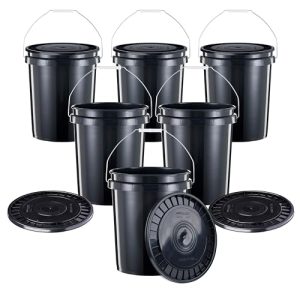
7 Best Food Grade Buckets for Bulk Storage (November 2026)