Last Updated: September 28, 2026
Aeration helps manage algae by circulating and oxygenating water, but it is support, not a treatment, so the best pond aerator for algae control is chosen for bottom mixing and steady oxygen, alongside nutrient control, rather than any algae-kill figure no air pump can honestly claim.
As an Amazon Associate we earn from qualifying purchases.
By David Nguyen
How to Choose a Pond Aerator for Algae Control
Set expectations first: no aerator kills algae, and no verified SKU carries an algae-kill percentage. What aeration does is circulate and oxygenate, supporting the biology that competes with algae and preventing the stagnant, low-oxygen conditions algae exploit. Choose for bottom mixing, then pair it with nutrient control.

Aeration Supports, Not Cures
An air pump does not remove algae; it changes the conditions algae thrive in. By circulating water and raising dissolved oxygen, it supports aerobic bacteria that process nutrients and helps avoid the stagnant, stratified water where algae bloom. No SKU here has a verified algae-kill percentage.
That framing decides how you shop. You are buying circulation and oxygen, not a cure, so rank pumps on delivered air at depth and bottom mixing rather than a marketing promise. Real algae control still needs the nutrient source addressed; aeration makes the rest of your management work better.
Bottom Mixing and Destratification
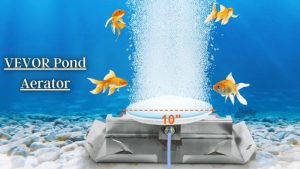
The useful mechanism is destratification: a bottom diffuser lifts cooler, low-oxygen water and mixes the whole column, preventing the stagnant deep layer that fuels problems. Circulated, oxygenated water supports bacteria that consume the nutrients algae would use, so bottom placement matters more than raw airflow.
Size the pump to reach and mix your deepest water, since pressure rises with depth. A diffuser that cannot lift the bottom layer leaves the exact zone algae exploit untouched. Read delivered airflow at your depth, and place the diffuser low and central so mixing reaches the whole pond, not just the surface.
Nutrients Are the Real Driver
Algae grows on nutrients, mainly nitrogen and phosphorus from fish waste, feed and runoff. Aeration helps the pond process those nutrients but does not remove their source, so overfeeding, overstocking or runoff will outpace any pump. Address the source alongside aeration, or the bloom returns regardless of circulation.
This is why aeration belongs in a system, not alone. Combined with sensible feeding, adequate plants and debris removal, steady circulation tips the balance away from algae. On its own it is only one lever, so judge a pump by how well it circulates and oxygenates while you control what feeds the algae.
Steady Duty Through Summer
Algae pressure peaks in warm months, exactly when warm water holds less oxygen and stagnation is most likely. A pump that runs reliably around the clock through summer supports the pond when it is most vulnerable, so continuous duty and durability matter as much as peak airflow for this job.
Plan runtime for the season. Many owners run continuously through the warm, high-nutrient months and taper in cool water where blooms subside and oxygen holds better. Because summer is the crunch, choose a pump built for sustained operation with cheap, available wear parts so it keeps circulating.
Top Picks
These four are ranked for circulation and bottom mixing, the honest role aeration plays in algae management, not for any kill claim. Ratings are manufacturer-stated and comparable only at matched depth, so pick by delivered air and mixing at your depth, and pair whichever you choose with nutrient control.
| Product | Best For | Key Spec | Watch Out For |
|---|---|---|---|
| Atlantic TAKIT0400 | Small ponds, bottom mixing | 4.5W; rated ~1,000 gal | No algae-kill; supports only |
| Aquascape 2-Outlet | Two-zone circulation | 6W; rated ~2,000 gal | Nutrient source still needed |
| Atlantic TAKIT0800 | Deeper destratification | Dual-outlet kit | Confirm depth reach |
| HIBLOW HP-40 | Quiet continuous duty | 32 dBA at 1m (mfr) | Match pressure to depth |
Atlantic TAKIT0400 — Small-Pond Mixing
For a small pond the TAKIT0400 supports algae management through steady bottom mixing: a 4.5W pump rated to about 1,000 gallons feeding a low-placed diffuser that lifts stagnant water. At roughly 39 kWh a year it can run continuously through summer, when circulation matters most, without a heavy power cost.
It circulates; it does not cure. One diffuser suits a compact pond but leaves a large or irregular one partly still, and it carries no algae-kill claim because none is verified. Pair it with feeding discipline and plants, confirm it reaches your bottom layer, and treat it as one lever in a broader plan.
Aquascape 2-Outlet — Two-Zone Circulation
For fuller coverage the Aquascape 2-Outlet mixes two zones from one 6W pump, useful where a single diffuser leaves still water algae exploits. Better whole-pond circulation supports the bacteria competing with algae, so two well-placed stones can improve conditions across a longer or irregular pond.
It still does not address nutrients. Two zones of circulation help the pond process waste, but overfeeding or runoff will outpace any pump, so control the source in parallel. Compare delivered air per stone rather than headline volume, and keep airline short so both diffusers mix the water at depth.
Atlantic TAKIT0800 — Deep Destratification
In a deeper pond the stagnant bottom layer is the algae-friendly zone, and the TAKIT0800 dual-outlet kit brings headroom to lift and mix it. That reserve keeps the diffuser inside the pressure window at depth, so destratification reaches the bottom rather than stirring only the upper water.
Confirm the curve reaches your depth, since a larger rating measured shallow is no promise of mixing deep. As with any aerator, it supports rather than solves; the nutrient source still needs managing. For deep ponds prone to summer stratification it is the stronger circulation choice here.
HIBLOW HP-40 — Quiet Continuous Duty
Because algae control asks for reliable summer-long running, the HIBLOW HP-40 at 32 dBA at one meter suits a pond near living space that must aerate continuously and quietly. Linear-piston duty favors sustained operation and rebuildable parts, which supports the nonstop circulation this job rewards.
Confirm its pressure rating reaches your depth so it mixes the bottom, not just the surface. A comparable airflow-at-depth figure against the Atlantic kits is not listed here, so rank it on quiet continuous duty and longevity, and remember even the most reliable pump supports, rather than replaces, nutrient control.
Frequently Asked Questions
Owners fighting algae ask whether an aerator will clear it, how it helps, where to place the diffuser, and whether it replaces other treatments. Each answer leads with the realistic call, then the condition that changes it, so you use aeration as the support it is rather than a cure it is not.
Will an aerator get rid of algae?
No. An aerator circulates and oxygenates water, supporting the biology that competes with algae and preventing the stagnation blooms exploit, but it does not kill algae or remove the nutrients feeding it. No verified pump carries an algae-kill figure, so treat aeration as one supporting lever, not a treatment.
Expect improved conditions, not a clear pond overnight. Combined with nutrient control, plants and debris removal, steady aeration tips the balance against algae over time. On its own, especially with overfeeding or runoff continuing, it cannot outpace the nutrients that drive the bloom.
How does aeration help with algae?
Mainly through circulation and destratification. A bottom diffuser lifts cool, low-oxygen water and mixes the column, raising dissolved oxygen and supporting bacteria that process the nutrients algae would use. That makes the pond less hospitable to blooms without directly attacking the algae itself.
The effect depends on reaching the bottom. If the diffuser cannot lift the deep layer, the stagnant zone algae favor stays put, so delivered air at depth matters. Aeration works best as part of a plan that also limits the nitrogen and phosphorus feeding the algae.
Where should the diffuser go for algae control?
Low and central, so it lifts the deepest, most stagnant water and mixes the whole pond. Surface-only aeration does little for the bottom layer that fuels problems, so placement for full destratification matters more than raw airflow. Confirm the pump reaches that depth before expecting the mixing to help.
In a large or irregular pond, more than one diffuser spreads the mixing, but each lowers pressure at the others, so add them only if the pump supports it. Keep airline short so pressure is not lost on the way down, since the bottom is exactly where the circulation needs to arrive.
Does aeration replace algaecides or filters?
No. Aeration supports circulation and oxygen; it does not remove nutrients, filter debris or treat an active bloom the way other tools do. It complements filtration, plants and sensible feeding rather than replacing them, and it carries no verified kill claim, so it belongs alongside those measures.
Think of it as improving the pond’s baseline so other controls work better. A well-circulated, oxygenated pond processes nutrients faster and resists stagnation, but the nutrient source, filtration and stocking still need managing. Aeration is the steady support beneath a broader algae plan, not a standalone fix.
Final Thoughts
For algae, treat aeration as support: choose a pump for bottom mixing and steady summer duty, place the diffuser low to destratify, and confirm it reaches your depth. The best pond aerator for algae control improves circulation and oxygen so your nutrient control works better, but no pump is a cure.
Related Reviews & Guides
Best Filter for Shrimp Tank: Options Compared by Numbers
Best Rodi Water Filter System For Aquariums: Top Expert