Last Updated: September 25, 2026
Both devices oxygenate the same way, so the real difference is filtration, not aeration. In the air stone vs sponge filter for oxygen question, both improve oxygen mainly through surface agitation and gas exchange, but an air stone only aerates while a sponge filter adds gentle mechanical and biological filtration on top of the same airflow.
As an Amazon Associate we earn from qualifying purchases.
By David Nguyen
Quick answer: Our top pick in 2026 is the Gas exchange (aeration) — our #1 rated choice. See the full ranked comparison, alternatives and buying advice below.
How Air Stones and Sponge Filters Add Oxygen
Both devices raise oxygen the same way, so understanding the mechanism clears up most of the confusion. Gas exchange at the surface, not bubbles dissolving directly, is the real driver, filtration is a separate benefit only the sponge provides, and the actual oxygen outcome depends on several conditions.
Gas Exchange Is the Real Mechanism
Both an air stone and a sponge filter improve oxygen mainly by agitating the water surface, which increases the gas exchange that lets oxygen enter and carbon dioxide leave. The rising bubbles create surface movement and circulation, and that surface turnover is what actually oxygenates the water.
So the oxygen benefit comes from surface agitation and circulation, not from the bubbles themselves dumping oxygen into the water as they rise. This is why both devices, driven by the same air pump, deliver oxygen through the same fundamental process rather than through anything unique to either one.
Bubbles Do Not Dissolve Oxygen Directly
A common myth is that bubbles dissolve all their oxygen as they travel upward, but very little transfers directly from a bubble in the second or two it rises. Their real job is stirring the surface, so more or finer bubbles do not automatically mean higher dissolved oxygen.
So chasing a dense cloud of tiny bubbles for its own sake misunderstands the mechanism. What matters is how much surface movement the airflow creates, which means placement and airflow matter more than bubble size, and a gentle stream that disturbs the surface can oxygenate as well as a fierce one.
Filtration Is a Separate Benefit
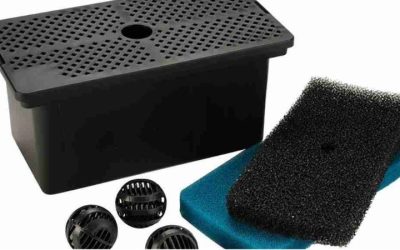
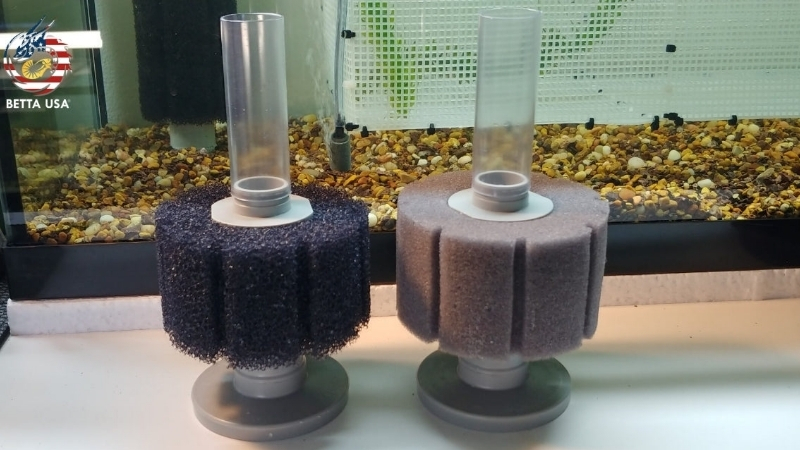
Here the two devices diverge, because a sponge filter does something an air stone cannot: it filters. An air stone provides surface agitation with no mechanical filtration and no dedicated biological media, while a sponge filter’s porous sponge supports beneficial bacteria and traps debris.
So a sponge filter is not simply a better aerator; it adds gentle mechanical and biological filtration alongside the same aeration. This does not mean a sponge filter always adds more oxygen, since both aerate by surface agitation, but it does mean the sponge earns its place through filtration rather than superior oxygenation.
What the Oxygen Outcome Depends On
Because no controlled same-airflow test crowns a universal oxygen winner, the real dissolved-oxygen outcome depends on the whole setup. Surface area, temperature, floating plants, airflow, placement, and existing circulation all shape how much oxygen the water actually holds, regardless of which device you choose.
So there is no blanket answer that one is always better for oxygen. Warmer water holds less oxygen, more surface area helps, and strong existing circulation may already provide plenty, which is why the device you pick matters less than the overall conditions that govern gas exchange in your tank.
When to Use Which
Because both aerate the same way, the choice comes down to whether you also want filtration and what the tank is for. There is no single winner, so the practical answer is to match the device to the situation, and in many tanks the two can even be combined.
| Feature | Air Stone | Sponge Filter |
|---|---|---|
| Gas exchange (aeration) | Yes, via surface agitation | Yes, via surface agitation |
| Mechanical filtration | No | Yes, traps debris |
| Biological filtration | No dedicated media | Porous sponge hosts bacteria |
| Air pump needed | Yes, in an air-driven setup | Yes, in an air-driven setup |
When an Air Stone Makes Sense
An air stone makes sense when the tank already has adequate filtration and you just want extra aeration or circulation. It suits emergency aeration during a filter failure, added surface movement in warm weather when oxygen drops, and purely decorative bubble effects.
So reach for an air stone as a supplement, not a filter, when your biological and mechanical filtration are already handled elsewhere. It is the simple choice for boosting gas exchange, breaking up surface film, or adding visual bubbles, without pretending to do any filtering the tank still needs.
When a Sponge Filter Makes Sense
A sponge filter makes sense when you need gentle filtration alongside aeration, which describes breeding tanks, shrimp tanks, fry grow-outs, and quarantine setups. Its gentle flow will not suck up shrimplets or fry, while its sponge provides both mechanical trapping and a home for beneficial bacteria.
So choose a sponge filter when the tank needs biological and mechanical filtration in a safe, low-flow form, not just aeration. It is the workhorse for vulnerable livestock and hospital tanks precisely because it aerates and filters at once, which an air stone alone cannot do.
Using Both Together
The two are not mutually exclusive, so you can run both, and an air stone can even be installed inside some sponge filters. Combining them lets you tune aeration and filtration independently, adding extra surface agitation from an air stone while the sponge handles filtration.
So in a larger or heavily stocked tank, pairing a sponge filter for filtration with an air stone for extra circulation is a sensible setup. Both simply need an air pump in an air-driven configuration, so feeding them from one adjustable or dual-outlet pump is straightforward.
Power Outages and Backup
Because both are air-driven, both stop when the air pump loses power, which matters for oxygen during an outage. A sponge filter also loses its biological flow when the pump stops, so neither device keeps working without air, making backup power a shared concern.
So for outage resilience, consider a battery-backup air pump that keeps either device running, rather than assuming one is safer than the other. Both depend entirely on airflow, so the real safeguard is keeping the air pump running, which protects aeration and, with the sponge, filtration alike.
Frequently Asked Questions
Common questions cover whether bubbles transfer oxygen directly, whether a sponge filter oxygenates, using both, and power outages. Each answer leads with the direct call, then the mechanism that clarifies it, since both devices aerate through the same surface gas exchange.
Do Bubbles Transfer Oxygen Directly?
Not much, because a rising bubble transfers very little oxygen directly in the second or two it travels upward. The real oxygenation comes from the surface agitation and circulation the bubbles create, which increases gas exchange where the water meets the air at the surface.
So do not assume bubbles dissolve all their oxygen on the way up, and do not chase finer bubbles expecting more dissolved oxygen. What matters is how much the airflow stirs the surface, which means placement and circulation drive the oxygen benefit more than bubble size or density do.
Does a Sponge Filter Oxygenate the Water?
Yes, a sponge filter oxygenates through the same surface agitation as an air stone, since both are air-driven and create surface movement. So it aerates the tank while also filtering, which is its real advantage, but it does not necessarily add more oxygen than an air stone at the same airflow.
So a sponge filter is not a superior aerator so much as a device that aerates and filters at once. If your only goal is oxygen and filtration is handled, an air stone does the aeration job just as well, while the sponge earns its place through the filtration an air stone lacks.
Should I Use Both?
You can, and in many tanks it makes sense, since the two are complementary rather than competing. A sponge filter handles gentle mechanical and biological filtration while an air stone adds extra surface agitation or circulation, and an air stone can even sit inside some sponge filters.
So in a larger or heavily stocked tank, running both lets you tune filtration and aeration independently. Both simply need an air pump in an air-driven setup, so you can often feed them from a single adjustable or dual-outlet pump rather than buying separate air sources.
What Happens in a Power Outage?
Both stop, because both are air-driven, so a power outage halts the air pump and with it both aeration and, for the sponge, its biological flow. Neither device keeps working without air, so neither is inherently safer than the other when the power goes out.
So the real safeguard is keeping the air pump running, which is where a battery-backup air pump helps by maintaining airflow to either device. Plan for outages by protecting the air source rather than assuming one device will keep the tank oxygenated on its own when the power fails. Airflow, in short, is the single point of failure worth protecting during an outage.
Final Thoughts
For air stone vs sponge filter for oxygen, both aerate the same way through surface gas exchange, so neither is a universal oxygen winner, and the real difference is that only the sponge filter also provides gentle mechanical and biological filtration. Choose an air stone for extra aeration when filtration is handled, a sponge filter when you need filtration too, and remember bubble size matters less than surface movement.
As an Amazon Associate we earn from qualifying purchases at no extra cost to you. Prices and availability are accurate as of the date shown and are subject to change.

Pawfly Aquarium 15-40 GPH Compact Air Pump Quiet Oxygen Aerator Pump with Air Stone/Nano Bio Sponge Filter Airline Tubing and Check Valve Accessories for 3-20 Gallon Buckets and Fish Tanks
Selected for "Air Stone vs Sponge Filter for Oxygen: A Clear Expert Guide": this listing is filtration (Pawfly Aquarium 15-40 GPH Compact Air Pump Quiet Oxygen Aerator Pump w), matching the equipment this article covers.
View on Amazon
Pawfly 27 L/h Aquarium Air Pump, Mini Air Pump for 1-15 Gallon Fish Tanks
Selected for "Air Stone vs Sponge Filter for Oxygen: A Clear Expert Guide": this listing is pumps (Pawfly 27 L/h Aquarium Air Pump, Mini Air Pump for 1-15 Gallon Fish Ta), matching the equipment this article covers.
View on Amazon
Pawfly Mini Aquarium Air Pump 15 GPH Quiet Oxygen Aerator Pump with Bracket Airline Tubing Bio Sponge Filter Air Stone Control Valve and Check Valve for 3-20 Gallon Nano Fish Tanks and Buckets
Selected for "Air Stone vs Sponge Filter for Oxygen: A Clear Expert Guide": this listing is filtration (Pawfly Mini Aquarium Air Pump 15 GPH Quiet Oxygen Aerator Pump with Br), matching the equipment this article covers.
View on Amazon
DVHEY 125-150 Gal Extra Large Aquarium Sponge Filter with Air Stone
Selected for "Air Stone vs Sponge Filter for Oxygen: A Clear Expert Guide": this listing is filtration (DVHEY 125-150 Gal Extra Large Aquarium Sponge Filter with Air Stone), matching the equipment this article covers.
View on AmazonReady to decide? Our #1 pick for 2026 is the Gas exchange (aeration).
Live price & availability on Amazon.
Related Reviews & Guides

Best Aquarium Sump for Freshwater Tanks: Top Expert Guide
Best Aquarium Controller for the Money: Top Expert Picks