Last Updated: October 21, 2026
The best canister filter for beginners minimizes the friction that trips up first-timers: priming, disconnecting and reaching the media. A small step up can help, since the Sicce WHALE120 to 200 move adds about $10, near 7.7 percent, for more flow, more media and an extra basket.
As an Amazon Associate we earn from qualifying purchases.
By David Nguyen
How to Choose a Canister Filter for Beginners
Beginner-friendly means less to get wrong: easy priming, simple disconnects, and media you can reach without a fight. Weigh setup and maintenance access over headline flow, and read flow honestly, since the highest pump number is not the same as the easiest filter to live with day to day.
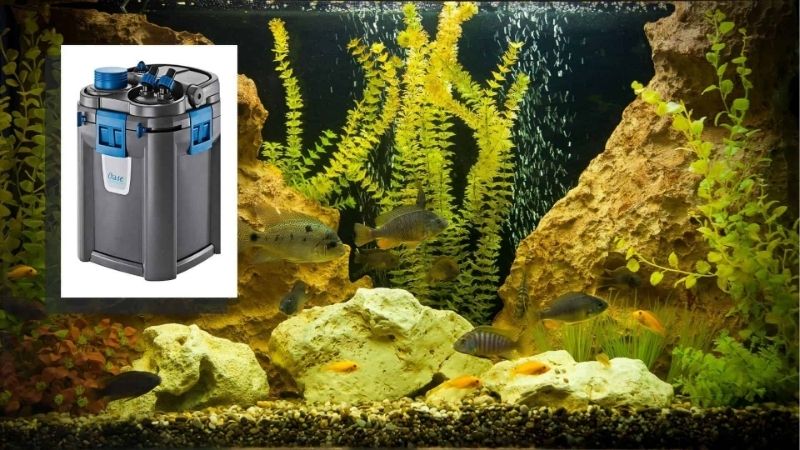
Easy Priming and Setup
The first hurdle for a first-timer is priming, so a canister with a reliable one-touch primer removes a common source of frustration. A filter that self-primes cleanly on the first try builds confidence, while one that needs coaxing can sour a beginner on canisters before the tank is even running.
Look for a straightforward hose connection and clear setup steps as well, since fumbling the initial install is where many first canisters go wrong. A design that goes together predictably matters more than a slightly higher flow rating, because the easiest filter to set up is the one that gets used correctly.
Simple Disconnects for Maintenance
Quick-disconnect valves that shut off and detach cleanly turn a messy chore into a quick one, which keeps a beginner maintaining the filter on schedule. A canister you dread opening is a canister that goes too long between cleanings, so easy disconnects are a real usability feature, not a luxury.
Check that the valves seal without dripping and reconnect without fuss, since leaks at the disconnect are a classic first-timer headache. The Sicce WHALE line, for instance, steps up in capability affordably, and paired with clean disconnects it keeps routine servicing from becoming the reason a beginner gives up.
Media Access and Baskets
Stacked media baskets that lift out cleanly let a beginner rinse or replace media without disassembling the whole canister. Moving from the WHALE120 to the 200 adds a third basket and raises media volume from 0.4 to 0.6 gallon, near 50 percent, giving more room and easier organization for a first setup.
More baskets also make it obvious which media goes where, which helps a first-timer maintain biological media correctly. That $10 step, near 7.7 percent, also lifts maximum flow about 35.7 percent, but for a beginner the extra basket and media access matter more than the flow, since they make maintenance simpler.
Flow Honesty Over Headline Numbers
Beginners often equate the highest pump number with the best filter, but pump output is not filtered circulation. The Fluval 107 lists a 145 GPH pump yet circulates about 95 GPH, roughly 34.5 percent lower, so the headline figure overstates the real throughput a first canister actually delivers through media.
Read the circulation figure and size to your tank’s needs rather than chasing the biggest pump rating. The easiest canister to own is rarely the highest-flow one, so a beginner is better served by a well-sized, serviceable filter than by a large model bought for a pump number that does not reflect real turnover.
Top Picks
Because the easiest canister depends on your tank and there is no single beginner winner across tank ranges, the order below leads with what each makes simple and reads flow honestly. Match a row to your tank size and your tolerance for maintenance rather than to the highest pump figure.
| Product | Best For | Key Spec | Watch Out For |
|---|---|---|---|
| Sicce WHALE120 | Small tanks, tidy setup | 140 GPH max; 0.4 gal media; 2 baskets | Least media of the pair |
| Sicce WHALE200 | Easy step-up, more media | 190 GPH max; 0.6 gal; 3 baskets | +$10 (+7.7%) over 120 |
| Fluval 107 | Simple priming, small tanks | 95 GPH circulation; 145 GPH pump | Circulation ~34.5% below pump |
| OASE BioMaster | Prefilter-first cleaning | Top prefilter; larger class | Higher cost than WHALE pair |
Sicce WHALE120
For a small tank and a tidy first setup, the Sicce WHALE120 keeps things simple with a 140 GPH maximum flow, 0.4 gallon of media and two baskets. Its modest size and straightforward priming make it approachable for a beginner who wants a canister without any steep learning curve at all.
Its limitation is capacity: two baskets and 0.4 gallon of media leave less room than the 200, so a growing bioload may outpace it. For a genuinely small first tank it is enough, but if you expect to add stock, the inexpensive step up to the 200 is worth weighing before you commit to the smaller unit.
Sicce WHALE200
The Sicce WHALE200 is the easy step-up, adding about $10, near 7.7 percent, over the 120 for a third basket, 0.6 gallon of media, near 50 percent more, and a 190 GPH maximum flow. For a beginner that extra basket makes organizing and maintaining media noticeably simpler on a first canister.
The maximum-flow gain of about 35.7 percent is a bonus rather than the point, since the real benefit is capacity and access. It costs a little more than the 120, but the small premium buys room to grow, which makes it the more forgiving choice for a first-timer unsure of their eventual stocking level.
Fluval 107
The Fluval 107 suits a small tank where simple priming matters, circulating about 95 GPH from a 145 GPH pump. Its one-touch primer and compact size make first setup easy, giving a beginner a dependable, low-fuss canister for a modestly stocked aquarium with little to configure at all.
Read its flow honestly: the 95 GPH circulation is roughly 34.5 percent below the 145 GPH pump, so do not size from the pump number. It is a fine first canister for a small tank, provided you match it to a light bioload rather than expecting the headline pump figure to reflect real turnover.
OASE BioMaster
The OASE BioMaster earns a beginner’s attention for prefilter-first cleaning, since its top prefilter clears the bulk of debris without opening the main canister. That design cuts the frequency of full teardowns, which is exactly the maintenance friction that discourages first-timers from keeping up with a canister.
It sits in a larger, higher-cost class than the WHALE pair, so it is more filter than a tiny tank needs. For a beginner with a mid-size tank who wants the easiest possible routine cleaning, though, the prefilter convenience can justify the extra cost by making maintenance something you will actually do.
Frequently Asked Questions
First-time canister buyers ask how to prime one, whether the highest GPH is best, how often to clean media, and whether a bigger filter is easier. The answers below keep flow honest and maintenance front of mind, so a beginner ends up buying the filter that is simplest to live with.
How Do I Prime a Canister Filter?
Usually with the built-in primer, once the hoses are connected and valves open. Most beginner canisters have a one-touch primer that pulls water through to start the siphon, so priming is a matter of a few pumps rather than manual filling, which is why a reliable primer is worth prioritizing.
If it will not prime, the usual causes are an air leak at a fitting or a closed valve rather than a faulty pump. Check the connections and that both valves are fully open, since a first-timer’s priming trouble is almost always a loose seal, not a defective filter that needs replacing.
Is the Highest GPH the Best for Beginners?
No; the highest pump number is not the easiest or best filter. Pump output overstates real turnover, as the Fluval 107 shows at just 95 GPH circulation versus a 145 GPH pump, so chasing the biggest headline figure buys throughput the media does not actually deliver on a real tank.
Size to your tank and favor serviceability instead, since an oversized, high-flow canister is harder to live with, not easier. A well-matched filter with easy priming and media access serves a beginner far better than a large model bought for a pump rating that does not reflect its real circulation.
How Often Should I Clean the Media?
By condition, not a fixed date, though many beginner setups run several weeks between cleanings. Rinse mechanical media when flow visibly drops, and leave biological media largely undisturbed to protect the bacteria, since over-cleaning it can set back the tank’s cycle on a new setup.
Let flow and your nutrient readings guide the cadence rather than a calendar, since it varies by bioload. Cleaning too often disrupts biology while cleaning too rarely lets debris break down inside the canister, so a beginner should watch the tank rather than the clock to find the right rhythm.
Is a Bigger Canister Easier to Own?
Not necessarily, since bigger often just means more to handle. A larger canister holds more water and detritus, so it is heavier to lift, drain and messier to open, which can make maintenance harder rather than easier for a first-timer in particular despite the extra media capacity it offers.
The easier path is a right-sized canister with a prefilter or clean disconnects, which reduces both the frequency and the mess of cleaning. So judge ease by serviceability features and a sensible size for your tank, not by capacity alone, since a filter you can maintain comfortably is the one you will keep up with.
Final Thoughts
The best canister filter for beginners is the one that makes priming, disconnects and media access simple, not the one with the biggest pump number. A small step like the WHALE120 to 200, about $10 for more media and a third basket, buys real ease, and reading circulation over pump output keeps sizing honest.
6 Best Aquarium Sump Filtrations 2026
Best Rainfall Spray Bar Aquarium Filter: Smart Easy Picks