Last Updated: October 21, 2026
The way to choose a dosing pump is to define the fluid-delivery job first, not to shop by tank gallons or maximum flow. Learning how to choose a dosing pump means working through what you dose, how much, how many liquids, and how the pump must run, so the right model falls out of your requirements rather than the marketing.
As an Amazon Associate we earn from qualifying purchases.
By David Nguyen
Define the Dosing Job Before Choosing a Pump
Before comparing any pump, pin down the dosing job in concrete terms, because every later choice depends on it. Identify each liquid, measure the daily amount, count channels, and set the minimum dose and maximum rate, so the field narrows to pumps that fit the work, not the biggest numbers.
Identify Each Liquid You Will Dose
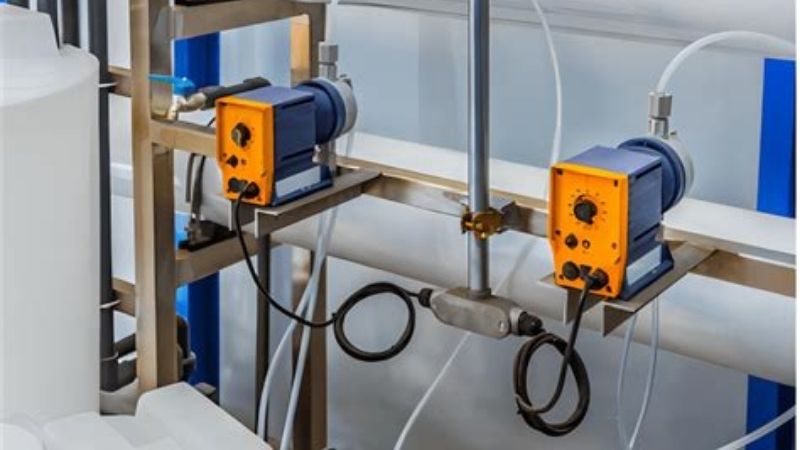
Start by listing every liquid you plan to automate, since each one shapes the pump you need. A single conditioner differs from a two-part calcium and alkalinity routine or a full reef regimen, and freshwater fertilizers differ again, so the liquids tell you how many channels and what compatibility you need.
For each liquid, note its chemistry and how often you dose it, because those affect tubing and scheduling. A thick or reactive liquid may stress tubing, and a frequent split schedule needs flexible programming, so these details up front prevent choosing a pump that suits the count but not the liquids.
Measure the Actual Daily Amount
The daily amount comes from testing and the product protocol, not from the tank size, so measure it before shopping. Red Sea’s calculator sizes dosing from actual calcium uptake, showing consumption, not gallons, sets the figure, so test over several days to learn how much of each liquid your tank needs.
Once you know the daily amount per liquid, you can judge whether a pump’s range covers it comfortably. A tank needing a small daily dose wants a fine minimum step, while a larger amount needs enough range, so the measured figure, updated as the tank grows, is the anchor for every capacity decision that follows.
Count the Independent Channels You Need
Channels follow the number of liquids you dose on separate schedules, and this count is easy to get wrong. Each liquid needs its own head, so a two-part routine needs two and a four-part regimen needs four, and no pump lets you share a head between liquids, so the channel count is a hard requirement, not a preference.
Map the liquids you will run within the year, then size heads to that plan rather than to today alone. Buying too few forces a second pump later while too many wastes money on idle heads, so a two-head unit suits a two-part start and a four-head box suits a fuller regimen you expect to grow into.
Set the Minimum Dose and Maximum Rate
Two numbers bound the pump you need: the smallest dose it must place and the largest rate the job requires. A fine additive routine needs a low minimum, like the ReefDose 0.2 mL step, while a continuous feed needs a high maximum, so read both ends of a pump’s range against your job rather than the headline flow alone.
Check that your smallest planned dose sits above the pump’s floor and your largest need sits within its ceiling. If you split a daily amount into many small events, each must clear the minimum, so confirm both bounds fit first, since a pump that misses either end cannot serve the routine.
Work Through the Dosing Pump Selection Steps
With the job defined, work through the remaining choices in order, since each narrows the field further. Match the duty cycle, weigh accuracy and calibration, check the controller and system cost, then verify tubing and maintenance, using the table below to tie each input to a verified example.
Step: Match the Duty Cycle to the Task
Decide whether your job is intermittent additive dosing or continuous flow, because that splits the field immediately. Scheduled additive routines suit intermittent pumps, while a reactor feed or water change needs continuous duty, like the Versa’s 6 microliters to 200 mL per minute, so duty gates the other specs.
Match the pump’s rated duty to the task rather than assuming any pump can do both. An intermittent pump forced to run continuously wears out early, and a continuous pump is overkill for a few short doses, so confirm the rating fits the work, and plan separate hardware if you genuinely need both duties.
Step: Compare Accuracy and Calibration
Among pumps that fit the duty and range, compare stated accuracy and how calibration works, since these determine dosing reliability. A ReefDose at plus or minus 0.05 mL doses more precisely than one listing plus or minus two percent, so weigh the accuracy your additives need, not the tightest figure available.
Check that calibration is straightforward and that output can be verified against a target, because nominal figures are not exact. Plan to calibrate after final plumbing and recheck as tubing wears, so a clear calibration workflow is easier to keep accurate over time than one that makes verification awkward.
Step: Check the Controller and System Cost
Some pumps depend on a controller ecosystem, so check what each needs before pricing them. The Neptune DŌS requires an A2 or A3 Apex, which adds real cost, while a budget pump like the BRS 1.1 mL needs an external timer, so the total system price, not the pump sticker, is what you should compare.
Decide how much integration you want and whether you already own the ecosystem, then add any required hardware to the cost. If you run an Apex, integration is a benefit; if not, a standalone unit avoids the extra spend, so weigh convenience against total price rather than the pump’s headline figure alone.
Step: Verify Tubing and Maintenance Parts
Finally, verify that tubing suits your liquids and that service parts are available on a known interval. Peristaltic tubing wears, and intervals are model-specific across EcoTech, Red Sea, and BRS, so confirm replacement parts exist and note the schedule before buying, since no service plan means lost accuracy.
Confirm chemical compatibility for any thick or reactive liquid, and budget wear parts as an ongoing cost. Plan to recalibrate after replacing tubing, so maintenance stays part of the decision rather than a surprise, and a pump that is easy to service keeps delivering the right dose long after the purchase.
| Decision Input | Verified Example | Why It Matters | Note |
|---|---|---|---|
| Minimum dose | ReefDose 0.2–1000 mL/day; ±0.05 mL | Micro-dose capability | Fine reef additives |
| Continuous need | Versa 6 µL–200 mL/min; ≤2% | Feed/AWC differs from dosing | Continuous duty |
| Apex ecosystem | DŌS QD 0.1–250 mL/min; needs Apex | Controller cost/compatibility | Ecosystem-bound |
| Budget two-part | BRS 1.1 mL/min; external timer | Fewer built-in safeguards | Low cost |
Choosing a Dosing Pump FAQs
These questions come up when keepers work out how to pick a doser. Each answer leads with the direct call, then the condition that changes it, so you can apply the reasoning to your own liquids, amounts, and duty rather than choosing by tank volume, maximum flow, or app features on their own.
What should I choose a dosing pump by?
Choose by the fluid-delivery job, meaning the liquid, the actual daily amount, the number of channels, the minimum dose, the maximum rate, and the duty cycle. Those requirements narrow the field to pumps that fit the work, so define them first rather than shopping by tank gallons, top flow, or brand.
Once the job is set, layer accuracy, controller cost, and maintenance on top to break ties. The pump that clears your duty, range, and channel needs at the accuracy you require, with a workable controller and available parts, is the right choice, so let requirements drive the pick rather than a single spec.
Can I choose a pump by my tank size?
No, because tank volume does not set the dose. Consumption does, which is why Red Sea sizes dosing from actual calcium uptake rather than gallons. Two tanks of the same size can need very different amounts, so measure your real daily demand and choose the pump from that figure, not the display volume.
Use tank size only as loose context, never as a formula. Test your parameters to learn the daily amount, count the liquids, and set the minimum and maximum you need, since those measured requirements, updated as the tank grows, are what actually determine the pump rather than the number on the tank.
Is more flow or more heads always better?
No. More mL per minute does not mean finer dosing, and more heads do not make a pump more accurate; they just serve more liquids. A high maximum can hide a coarse minimum step, so read the low end and accuracy, and add heads only for liquids you actually dose independently, not to chase a bigger number.
Match both to the job rather than treating bigger as better. Choose enough flow for your largest need and enough heads for your liquid count, but no more, since excess flow can worsen fine dosing and unused heads waste money, so size each to the requirement you measured, not the headline.
Does the pump decide the correct dose?
No. The pump delivers whatever you program, but the correct amount comes from testing and the product protocol, which vary by supplement and tank. You set the target from measurement, then calibrate the pump to hit it, so automation handles delivery while you supply the right figure from your own results.
Plan to revisit the dose as the tank changes, since consumption shifts with growth and stocking. Retest periodically and adjust, because a dose that suited the tank at setup will drift, which is why choosing a pump you can easily recalibrate matters as much as its range or channel count.
Final Thoughts
Knowing how to choose a dosing pump comes down to defining the fluid-delivery job, then working the steps: identify the liquids, measure the daily amount, count channels, set the minimum and maximum, match the duty cycle, and weigh accuracy, controller cost, and maintenance. Let those requirements pick the pump.
Best Dosing Pump for the Money: Top Expert Buying Guide
Best Binoculars for Hunting in Any Light