Last Updated: October 4, 2026
Quick answer: Our top pick in 2026 is the Improve the existing filter with a reusable sponge or biological media — our #1 rated choice. See the full ranked comparison, alternatives and buying advice below.
The Short Answer
No—not automatically. You need two aquarium filters only when one filter cannot provide enough dependable circulation and biological filtration for your tank’s fish load, shape, or maintenance needs. For many small and moderately stocked aquariums, one correctly sized filter is enough.
Two filters can be useful, but “more equipment” is not the same as “better filtration.” A second unit may improve water movement, add room for beneficial bacteria, and provide backup if the first filter stops. It can also create excessive current, increase noise, and raise operating and replacement costs. The right decision depends on your tank size, fish, filter type, and how consistently you maintain the aquarium.
As an Amazon Associate we earn from qualifying purchases at no extra cost to you.

What You Actually Get
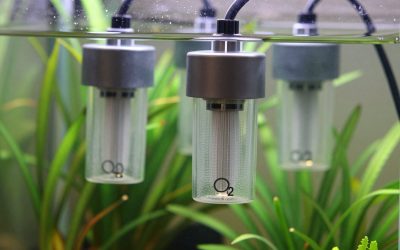
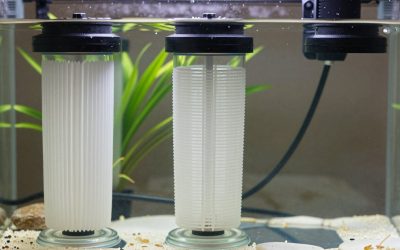
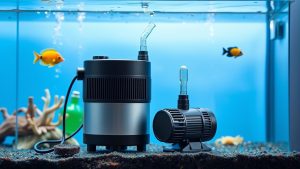
Adding a second filter gives you two separate water-moving and media systems. Each filter pulls water through mechanical media that catches debris, biological media that houses beneficial bacteria, and sometimes chemical media such as activated carbon. The exact combination varies by model.
The biggest practical benefit is redundancy. If one filter fails while you are away, the other may continue circulating water and maintaining oxygen exchange. That does not make an aquarium failure-proof, but it can buy valuable time. Two filters are especially sensible in a long aquarium where one unit leaves dead spots, or in a heavily stocked tank that produces more waste than a single filter can comfortably handle.
Two filters do not double your tank’s “safe stocking limit.” Manufacturer flow ratings are often measured with clean media and no meaningful resistance from biological buildup. A filter advertised at 40 gallons per hour may move less water in everyday use, particularly when the media is dirty. Flow rate also does not tell you how much usable biological media a filter contains.
Placement matters. On a rectangular aquarium, filters positioned at opposite ends can improve circulation across the full length of the tank. Alternatively, one filter can sit at the back and another at a side panel. Aim outlets toward the surface so they create gentle ripples and support gas exchange. Avoid blasting fish with a strong, direct stream.
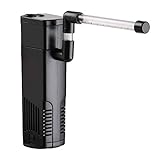
For a very small tank, space and flow become limiting factors. An internal aquarium filter designed for up to 5 gallons and rated at 40 GPH, such as the NICREW example priced around $10, may be appropriate as a compact secondary unit in some setups. However, its rating does not mean it should automatically be added to every 5-gallon aquarium. Small fish, bettas, shrimp, and fry may need a gentler current or a sponge prefilter.
Pros
- More reliable circulation: Two outlets can reduce stagnant areas behind decorations, plants, or rockwork.
- Backup protection: If one filter stops, the remaining unit may preserve some oxygenation and biological activity until you notice the problem.
- More biological media: A second filter can provide additional space for beneficial bacteria, particularly in a crowded or messy aquarium.
- Easier maintenance: You can clean one filter while leaving the other running, reducing the chance of removing too much established bacteria at once.
- Flexible media choices: One filter can focus on mechanical filtration while the other uses a larger sponge or reusable biological media.
- Useful for long tanks: Separate units can distribute flow more evenly than one filter mounted at a single end.
Cons
- More current: Strong flow can stress slow-moving fish, long-finned fish, fry, and some invertebrates. Baffles, spray bars, or sponge prefilters may be necessary.
- Higher running costs: Two motors use more electricity, although many aquarium filters consume relatively little power. Small filters commonly use roughly 2 to 10 watts each; check the label before buying.
- More replacement media: You may need two sets of cartridges or twice as much sponge and other media. A 12-pack of replacement cartridges such as EZ-Change #2 for Aqua-Tech 10-20 filters costs about $20, but cartridge compatibility is specific to the filter.
- Extra noise and clutter: Two intakes, cords, and outlets take up aquarium and cabinet space. Air intake, impeller, or vibration noise can also become more noticeable.
- More cleaning: Two filters mean two impellers, intakes, housings, and media sets to inspect.
- Not a substitute for maintenance: Overfeeding, overstocking, infrequent water changes, and an uncycled aquarium can overwhelm two filters just as easily as one.
Who Should Buy It
Consider two filters if your aquarium is heavily stocked, unusually long, or contains fish that produce a lot of waste. The setup can also make sense when you want backup protection for expensive fish, travel frequently, or have experienced repeated filter failures.
Two filters are useful during a filter upgrade as well. Run the old and new units together for several weeks so beneficial bacteria can colonize the new media before removing the old filter. This is safer than switching suddenly and expecting a brand-new filter to handle the entire biological load.
Buyers with a large community tank may prefer two moderately sized filters rather than one oversized unit. For example, two filters rated for a 30- to 40-gallon aquarium can offer more even circulation and redundancy than a single filter with a similar advertised total, provided the combined current is suitable for the fish.
Who Should Skip It
Skip the second filter if your current unit keeps the water clear, produces gentle surface movement, and maintains stable ammonia and nitrite at zero with sensible stocking and maintenance. Adding another filter simply because the water looks cloudy may not solve the underlying issue; cloudy water can result from bacterial blooms, disturbed substrate, overfeeding, or an immature aquarium.
One filter is usually the cleaner choice for a lightly stocked aquarium, a small betta setup, or a tank with fish that dislike strong current. It is also preferable when the aquarium has limited room for equipment or when you would rather spend money on a reliable heater, water test kit, lid, or appropriately sized filter.
Cheaper Alternatives
| Option | Cost | Trade-off |
|---|---|---|
| Improve the existing filter with a reusable sponge or biological media | About $5–$20 | Lower cost and less clutter, but it does not provide backup if the motor fails. |
| Add a sponge prefilter to the intake | About $4–$12 | Protects fry and shrimp while adding surface area; it will not substantially increase motor flow. |
| Use an air-driven sponge filter | About $10–$30, plus an air pump | Quiet biological filtration and gentle flow, but it needs an air pump, airline, and a place to hide the sponge. |
| Replace worn media and clean the impeller | About $0–$25 | May restore lost performance without another filter, but it cannot fix an undersized or failing motor. |
| Compact internal filter rated for up to 5 gallons | About $10–$20 | Inexpensive and space-saving, but a small unit may add too much current or provide limited media capacity. |
Before buying a second unit, test your water and inspect the first filter. Ammonia and nitrite should remain at zero in a properly cycled aquarium. If nitrate rises quickly, reduce feeding and stocking, perform appropriate water changes, and confirm that the filter is not clogged. A second filter helps only when the rest of the aquarium is managed correctly.
FAQ
Is two aquarium filters better than one?
Not in every tank. Two filters are better when they improve circulation, add needed media capacity, or provide useful backup without creating excessive current. A single correctly sized filter is often simpler and fully adequate for a lightly or moderately stocked aquarium.
Can two filters be too much for a fish tank?
Yes. Excessive flow can make fish hide, struggle to swim, or remain in corners. Watch fish behavior and adjust outlets toward the glass or surface. Sponge prefilters, spray bars, and flow-control settings can soften the current. Tank volume matters, but fish species and swimming ability matter just as much.
Should both aquarium filters run all the time?
Generally, yes. Continuous operation keeps oxygen levels and biological filtration more stable. Turning one off for long periods can reduce oxygen flow through its media and allow stagnant water to develop. If a filter is being serviced, keep the media wet in removed aquarium water and return it promptly.
Do I need two filters during a water change?
No. A normal partial water change does not require a second filter. Keep the filter running if the water level remains safe and the intake stays submerged. Unplug it temporarily if the water level drops below the intake, then restart it after refilling with temperature-appropriate, conditioned water.
Ready to decide? Our #1 pick for 2026 is the Improve the existing filter with a reusable sponge or biological media.
Live price & availability on Amazon.
Related Reviews & Guides

5 Best Betta Tank Decor (2026)

6 Best Universal Rocks Aquarium Backgrounds 2026