Last Updated: October 4, 2026
A return pump’s headline GPH is measured at zero head, which is never how it runs in your stand. The best return pump for small sump use is chosen by delivered flow after head loss, physical fit in the return chamber, and the control you want, so the number that reaches the display matters more than the one on the box.
As an Amazon Associate we earn from qualifying purchases.
By David Nguyen
Quick answer: For most people in 2026, the best return pump for small sump is the Sicce Syncra 0.5 — our #1 rated choice. See the full ranked comparison, alternatives and buying advice below.
How to Choose a Return Pump for a Small Sump
Max flow is only a starting point, because head pressure and plumbing pull real output down. Fit and control decide the rest. These four checks focus on what actually reaches the tank and whether the pump squeezes into a tight return chamber.
Calculate Actual Head Height First
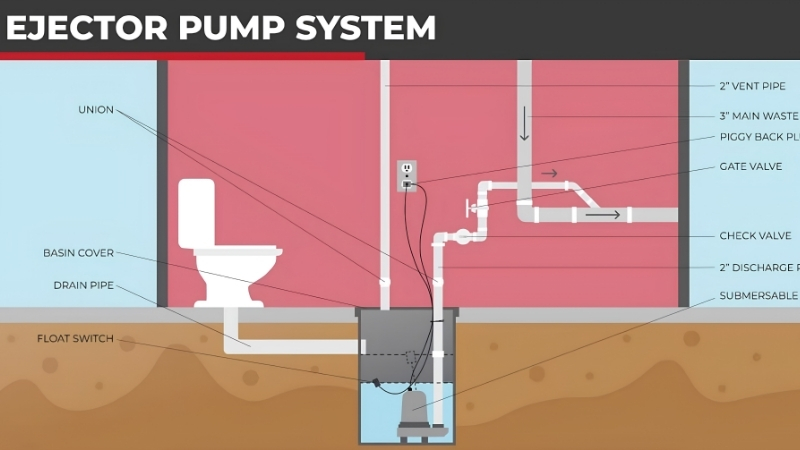
Measure the vertical lift before picking a pump. Head height is the distance from the sump water level up to the return outlet, and every foot of it, plus plumbing friction, reduces the flow the pump delivers to the display.
A pump’s maximum head is the point where flow reaches zero, not a working figure. The Sicce Syncra 0.5 lists 4 feet of max head and the 1.0 lists 5 feet, so know your lift first and leave margin below those ceilings.
Treat Max GPH as a Starting Point
Read the headline flow as a best case, not a promise. The Syncra 0.5 is rated at 185 GPH and the 1.0 at 251 GPH, but those are free-flow figures measured at zero head that no installed return will actually see.
Delivered flow drops as head and friction climb, and the exact intermediate points are not always published, so do not invent a curve. Plan for meaningfully less than the maximum reaching your tank, and size up if your lift is significant.
Measure Return Chamber Footprint
A small sump punishes a bulky pump. Confirm the physical size fits your return chamber, since the AI Axis20 is about 2.125 inches wide and the Axis40 about 2.44 inches, and the Sicce pumps have their own compact footprints too.
Measure the chamber before buying, including clearance for plumbing and the pump’s cord exit. A pump that technically fits but leaves no room to connect the return line or service it becomes a daily annoyance in a cramped sump.
Choose AC Simplicity vs DC Control
Decide how much control you want. The Sicce Syncra pumps are simple AC units that run at a fixed output, while the AI Axis pumps are controllable DC pumps you can tune, at a higher price and with added electronics.
AC keeps things simple and cheaper up front; DC lets you dial flow and often integrate with apps. Factor the 24/7 power draw and the DC-control premium, then match the pump to whether you value adjustability or straightforward reliability.
Top Picks
There is no verified Best Overall here, because fully tabulated delivered-flow-at-head data is not available across all four pumps. Instead, each carries a role label. Prices are display figures checked in September 2026 that move with stock.
| Product | Best For | Key Spec | Watch Out For |
|---|---|---|---|
| Sicce Syncra 0.5 | Compact AC value | 185 GPH; 4ft; 8W | Limited head |
| Sicce Syncra 1.0 | More AC head | 251 GPH; 5ft; 16W | Non-DC |
| AI Axis20 | Compact DC | ~185 GPH; ~5ft; max 12W | ~$100 |
| AI Axis40 | Higher-head DC | ~400 GPH; ~9ft; max 20W | Free-flow is not installed flow |
Sicce Syncra 0.5
The Syncra 0.5 is the compact AC value pick, rated at 185 GPH with 4 feet of max head at 8 watts, for around $55 at BRS as of September 2026. Its small body and low draw suit a modest sump with a short lift.
Its limitation is head: with only 4 feet of maximum lift, delivered flow falls off quickly if your return climbs high. For a low return height and a small display, it is an efficient, no-fuss choice that keeps running costs down.
Sicce Syncra 1.0
The Syncra 1.0 offers more AC head, rated at 251 GPH with 5 feet of max head at 16 watts, for around $70 at BRS as of September 2026, about 27.3 percent above the 0.5. The extra head and flow suit a slightly taller or longer return run.
It is non-DC, so there is no flow tuning or app control, and it draws more power than the 0.5. Choose it when you need more delivered flow after head than the 0.5 can provide, while keeping the simplicity of an AC pump.
AI Axis20
The AI Axis20 is the compact DC option, listing around 185 GPH and roughly 5 feet of head with a maximum 12-watt draw, for around $100 at BRS as of September 2026, about 81.6 percent above the Syncra 0.5. Control is what you pay for.
At around $100 it is pricier than the small AC pumps, but its DC motor lets you tune flow to the sump. If adjustability matters in a tight return chamber, its 2.125-inch width and controllable output make it a flexible fit.
AI Axis40
The AI Axis40 is the higher-head DC pump, listing around 400 GPH and roughly 9 feet of head with a maximum 20-watt draw, for around $125 at BRS as of September 2026, about 30 percent above the Axis20. It suits taller returns needing more lift.
Its 400 GPH is a free-flow figure, roughly 59.4 percent above the Syncra 1.0 only at the zero-head maximum, not what reaches the display. Read its capability as more available head and tunable flow, while sizing to your real lift rather than the max number.
Frequently Asked Questions
Sump builders ask how much flow really reaches the tank and which pump handles the most lift. The answers below keep max head and delivered flow separate and avoid inventing curve points.
Is 185 GPH Enough?
It depends on your head and plumbing. A 185 GPH rating is a zero-head maximum, so the flow reaching the display is lower once vertical lift and friction are accounted for.
Measure your head height and plan for meaningfully reduced delivered flow. For a low return on a small tank, 185 GPH can be plenty; for a taller lift, you may need a pump with more head to end up with usable flow.
Can a 4-ft Max-Head Pump Deliver 185 GPH at 4 ft?
No. Maximum head is the point where flow drops to zero, so at 4 feet the Syncra 0.5 delivers essentially nothing, not its 185 GPH rating. Flow and head trade off along the pump’s curve.
Plan to operate well below the maximum head for usable output. Treat max head as an absolute ceiling, and size the pump so your actual lift sits comfortably under it with real flow to spare.
Which Handles the Most Head?
The AI Axis40, with roughly 9 feet of maximum head, leads this group. That makes it the pick when your return climbs high and the smaller pumps would deliver too little flow at your lift.
Still, size to your measured head with margin, since delivered flow falls as you approach any pump’s maximum. The Axis40’s higher ceiling gives more usable flow at greater heights than the Sicce pumps or the Axis20.
Which Has the Lowest Rated Power?
The Sicce Syncra 0.5 at 8 watts is the lowest here, while the AI Axis20 draws up to 12 watts at maximum. For a small sump with a short lift, the 0.5’s low draw keeps 24/7 running costs down.
Weigh power against control and head, though. The Axis20 draws a bit more but adds tunability, so choose the 0.5 for pure efficiency or the DC pump when adjustable flow is worth the extra watts.
Final Thoughts
Choose the best return pump for small sump use by delivered flow after head, chamber fit and the control you want, since no single unit is a verified overall winner. The Sicce Syncra 0.5 and 1.0 offer simple AC value at low and moderate head, while the AI Axis20 and Axis40 add DC control and more lift, so measure your head and chamber first and read max GPH as a ceiling, not a delivery.
As an Amazon Associate we earn from qualifying purchases at no extra cost to you. Prices and availability are accurate as of the date shown and are subject to change.
Ready to decide? Our #1 pick for 2026 is the Sicce Syncra 0.5.
Live price & availability on Amazon.
Related Reviews & Guides


Best Substrate for African Cichlids: Compared by Numbers

Best Energy Efficient Aquarium Chiller: Proven Top Picks