Last Updated: November 11, 2026
The reason runners buy a GPS watch is simple: to leave the phone at home and still know exactly how far and how fast they went. The decision gets complicated once you notice how different the field is. Some watches are stripped-down running tools with a long battery and a focus on pace, while others are full smartwatches with AMOLED screens, calls, and health dashboards. The best GPS running watches balance three things that rarely line up perfectly: tracking you can rely on, a battery that outlasts your training week, and a screen you can read mid-stride.
This guide is for beginners lacing up for a first 5K, for steady weekly runners who want training guidance, and for casual joggers who want a tracker that also tells time and shows notifications. We compare six models from their listing titles, covering built-in GPS, battery life claims, waterproof ratings, and training features. Titles are cut off in several places, so confirm sensor details, compatibility, and battery figures on each page. Running tech in 2026 is crowded, but the best choice still depends on how much data you actually use after each run.
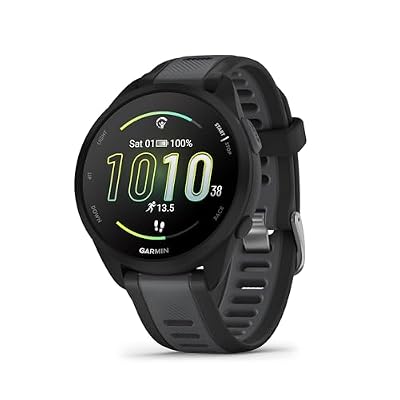
Garmin Forerunner® 165, Running Smartwatch, 43mm, Black | Essential Training & Recovery Features, Built-In GPS for Distance, Pace & Speed, Garmin Coach, Daily Suggested Workouts
Included for '6 Best GPS Running Watches (November 2026)' because the listing specifies Running Smartwatch and 43mm, details this guide uses to compare options.
View on Amazon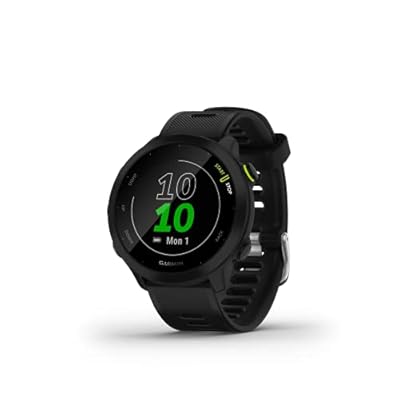
Garmin Forerunner 55, GPS Running Watch with Daily Suggested Workouts, Up to 2 Weeks of Battery Life, Black - 010-02562-00
Included for '6 Best GPS Running Watches (November 2026)' because the listing specifies GPS Running Watch with Daily Suggested Workouts and Up to 2 Weeks of Battery Life, details this guide uses to compare options.
View on Amazon
moutarlier GPS Running Watch for Men & Women, Distance Tracking with Average Pace, 5ATM Waterproof Watch with Stopwatch, Mileage, Speed, Music Control and Long Battery Life (Black)
Included for '6 Best GPS Running Watches (November 2026)' because the listing specifies Distance Tracking with Average Pace and 5ATM Waterproof Watch with Stopwatch, details this guide uses to compare options.
View on Amazon
Garmin vívoactive® 5, Health & Fitness GPS Smartwatch, 42mm, Ivory | 24/7 Health Monitoring, Built-In Sports Apps, Sleep Coach, Body Battery™ Energy Monitoring, Workout Benefit & Recovery Time
Included for '6 Best GPS Running Watches (November 2026)' because the listing specifies Health & Fitness GPS Smartwatch and 42mm, details this guide uses to compare options.
View on Amazon
Garmin vívoactive® 5, Health & Fitness GPS Smartwatch, 42mm, Black | 24/7 Health Monitoring, Built-In Sports Apps, Sleep Coach, Body Battery™ Energy Monitoring, Workout Benefit & Recovery Time
Included for '6 Best GPS Running Watches (November 2026)' because the listing specifies Health & Fitness GPS Smartwatch and 42mm, details this guide uses to compare options.
View on Amazon
Amazfit Bip 6 Smart Watch, 1.97" AMOLED Display, GPS, iOS/Android | 46mm, 14-Day Battery, Bluetooth Call & Text, Water-Resistant, Free Maps, AI, Health & Sleep Tracker, 140+ Workout Modes
Included for '6 Best GPS Running Watches (November 2026)' because the listing specifies 1.97" AMOLED Display and GPS, details this guide uses to compare options.
View on AmazonQuick Picks
| Product | Best for | Key spec from the title |
|---|---|---|
| Garmin Forerunner 165 | Training and recovery | 43mm, built-in GPS, recovery features |
| Garmin Forerunner 55 | Simple, long battery | Up to 2 weeks of battery, daily workouts |
| moutarlier GPS Running Watch | Basic tracking at a lower tier | 5ATM waterproof, stopwatch, music control |
| Garmin vivoactive 5 | All-day health tracking | 42mm, sleep coach, body battery |
| Amazfit Bip 6 | Big screen on a budget | 1.97 inch AMOLED, 14-day battery, free maps |
| Hrevzon GPS Smartwatch | Entry-level fitness tracking | Heart rate, sleep monitor, 170+ exercise modes |
How to Choose
GPS tracking and battery life
Built-in GPS means the watch can record your route without a phone, which is the defining feature for a running watch. Battery claims, such as a week or two in smartwatch mode, usually drop sharply when GPS is on. Look at whether the manufacturer lists a separate GPS-mode figure, and plan around that number. A runner who logs five hours a week of GPS time needs a very different battery than someone who runs twice for 30 minutes.
Training features versus smartwatch features
Dedicated running watches tend to offer daily suggested workouts, recovery estimates, and structured intervals. Smartwatches lean toward notifications, calls, music, and a bright screen. Decide which side you value. If you follow a plan, look for pace alerts, interval support, and recovery metrics. If you mostly run casually and want a watch that also handles messages, a big display and Bluetooth calling matter more than advanced analytics.
Display, size, and comfort
A 1.97 inch AMOLED screen is crisp and easy to read in bright sun, but it uses more power than a simple memory-in-pixel display. Case sizes around 42 to 46mm fit most wrists, though small wrists can find a large case clunky during a run. Silicone bands are the usual standard because they are sweat resistant and light. Check weight when the listing offers it, since a heavy watch can bounce at faster paces. Strap width and buckle style matter as well: a band you can tighten one hole at a time keeps the sensor steady without cutting off circulation on long runs.
Water resistance, compatibility, and what to ignore
A 5ATM rating means the watch can handle swimming in shallow water, which also covers rain and sweaty summer runs. Verify phone compatibility, because some features work better with one operating system. Ignore flashy extras like AI assistants or dozens of sport modes if you only run. Cheap trackers often cut corners on GPS accuracy, heart rate precision, and software updates, so the safest bet for serious training is a brand with an established app.
The 6 Best Options
Garmin Forerunner 165
The Forerunner 165 comes as a 43mm running smartwatch with built-in GPS for distance, pace, and speed, and the title highlights essential training and recovery features along with coaching. That makes it a strong pick for runners who follow a plan and care about recovery guidance. The black version blends in everywhere. Confirm the display type and battery estimate on the product page.
- Strength: training and recovery tools support structured plans.
- Strength: built-in GPS for pace and distance without a phone.
- Trade-off: the feature set may be more than a casual jogger needs.
Skip it if you only want a basic tracker or prefer a very simple interface. Runners who dislike learning an app ecosystem may find it more involved than a stripped-down alternative. If you also train indoors, check how the watch handles treadmill distance, since GPS is unavailable under a roof.
Garmin Forerunner 55
The Forerunner 55 is a GPS running watch that lists daily suggested workouts and up to two weeks of battery life. It is built for newer runners who want guidance without complexity, and the long battery means you charge it only occasionally. The title is a simple one, so check the full list of features for details like heart rate, sleep tracking, and training load.
- Strength: suggested daily workouts help beginners structure training.
- Strength: the battery claim is long enough for weekly use between charges.
- Trade-off: it is an older and simpler design than newer models.
Skip it if you want a bright touch display or advanced recovery metrics. The two-week figure refers to regular smartwatch use, so plan for less with continuous GPS recording. Because the listing includes a renewed variant elsewhere, buyers should also make sure they are looking at the version they want before ordering.
moutarlier GPS Running Watch
This listing targets men and women with distance tracking, average pace, a 5ATM waterproof rating, a stopwatch, mileage, speed, and music control. It is a basic, general-purpose option for someone who wants core metrics without a large ecosystem, such as a walker who occasionally jogs. The title is truncated, so confirm the GPS method, battery claims, and phone compatibility. It sits in the lower tier of the lineup.
- Strength: core running metrics and a 5ATM rating are stated.
- Strength: music control helps if you listen on a phone.
- Trade-off: the brand has less established software support than major names.
Skip it if you need precise heart rate readings for training zones or long-term software updates. Runners chasing performance goals should treat a low-tier tracker as a starter rather than a final answer. It is worth reading the app description too, because some budget watches rely on a companion app that gets few updates.
Garmin vivoactive 5
The vivoactive 5 comes in a 42mm size and is positioned as a health and fitness GPS smartwatch with 24/7 health monitoring, built-in sports apps, a sleep coach, and body battery energy tracking. It appeals to people who run but also want daily wellness tracking. The ivory and black options give some style choice. It is less race-focused than the Forerunner line.
- Strength: sleep and energy tools suit all-day wearers.
- Strength: built-in sports apps cover more than running.
- Trade-off: it is a lifestyle watch first, a running coach second.
Skip it if you want race-specific training tools and structured plans. Competitive runners will likely prefer one of the Forerunner models listed above. People who share a wrist with a fitness band for sleep can use the vivoactive as a single device instead, and the title does not state a battery figure, so check the page for GPS-mode hours.
Amazfit Bip 6
The Bip 6 has a 1.97 inch AMOLED display, GPS, iOS and Android support, a 46mm case, a 14-day battery claim, Bluetooth calls and texts, water resistance, free maps, and AI health features. That is a lot of features for the segment, and the large screen is a clear advantage for reading pace at a glance. Confirm the real GPS battery figure before relying on the headline number.
- Strength: a large AMOLED screen and maps are easy to read mid-run.
- Strength: Bluetooth calling and notifications add smartwatch utility.
- Trade-off: the 46mm case can feel large on a small wrist.
Skip it if you want a deep training platform with recovery metrics, or a smaller case. Fast-paced runners should verify how the watch handles GPS lock at the start of a run. Anyone who prefers physical buttons over a touchscreen should also confirm the control layout, since sweaty fingers and glass rarely mix well.
Hrevzon GPS Smartwatch
The Hrevzon is an entry-level GPS smartwatch for men with heart rate and sleep monitoring, a pedometer, Bluetooth calls and notifications, and 170 plus exercise modes. It suits a casual user who wants basic fitness tracking and a long list of activities. The title is cut off, so check specifics on GPS support and app compatibility before ordering.
- Strength: many exercise modes cover multiple hobbies.
- Strength: calls and notifications add everyday convenience.
- Trade-off: the brand has less track record than well-known fitness names.
Skip it if you need dependable heart rate data during hard intervals or long-term app support. Treat a large list of modes as a feature that only matters if you will really use it. A smaller feature list from an established brand often delivers steadier tracking than a huge menu from an unknown one, and a wrist-based heart rate sensor on any low-tier model deserves a skeptical eye during fast intervals.
Which One Fits Your Situation
You are training for a race
The Garmin Forerunner 165 brings structured training and recovery features, which suits a runner following a plan toward a 10K or half marathon.
You are new to running
The Garmin Forerunner 55 offers daily suggested workouts and a long battery claim, which keeps things simple for a beginner.
You want health tracking beyond running
The Garmin vivoactive 5 pairs GPS with a sleep coach and energy tracking, a good choice if you wear a watch around the clock.
You want a big screen at a lower tier
The Amazfit Bip 6 has a 1.97 inch AMOLED screen, maps, and calling, making it appealing for casual runners who also like smartwatch features.
Common Mistakes
- Trusting the headline battery number without checking the separate figure when GPS is recording.
- Paying for advanced training metrics you will never open after the first week.
- Ignoring case size and buying a large watch that bounces on a small wrist.
- Forgetting to confirm phone compatibility and the companion app before purchase.
- Assuming every GPS watch records an equally accurate route in tree cover or tall buildings.
Frequently Asked Questions
Do I need a GPS watch to run?
No, but it removes the need to carry a phone and gives reliable pace and distance. If you only jog for fitness, a phone app may be enough.
How long should a running watch battery last?
Look at the GPS-mode figure rather than the smartwatch-mode claim. A few days of runs between charges is a practical target for most weekly runners.
Is an AMOLED screen better?
It is brighter and sharper, which helps when you glance at your pace in sunlight. The trade-off is higher power use compared with simpler displays.
Can I swim with a 5ATM watch?
That rating generally covers pool swimming and showering, but avoid high-pressure water and hot tubs. Check the manufacturer guidance for your specific model.
7 Best Dressage Saddles (November 2026)
7 Best Art Easels for Beginners (November 2026)