Last Updated: October 4, 2026
Vallisneria Spiralis Care: Runners and Trimming
Vallisneria builds a background differently from a stem plant. Each crown produces ribbonlike leaves, then sends runners across or beneath the substrate. A few correctly spaced rosettes can become a moving curtain; a crowded bundle can trap debris, shade itself, and spread into every open foreground. Good care therefore includes boundary-setting from the first planting day.
Identity deserves attention. Vallisneria spiralis is an accepted species with a broad Old World distribution, but “spiralis,” “Italian val,” and “straight val” are not applied consistently in aquarium trade. The species name refers to aspects of its reproductive stalk, not a promise that every leaf will twist. Use Kew’s Plants of the World Online search to check accepted taxonomy and distribution, and treat an unverified shop name as provisional.
As an Amazon Associate we earn from qualifying purchases at no extra cost to you.





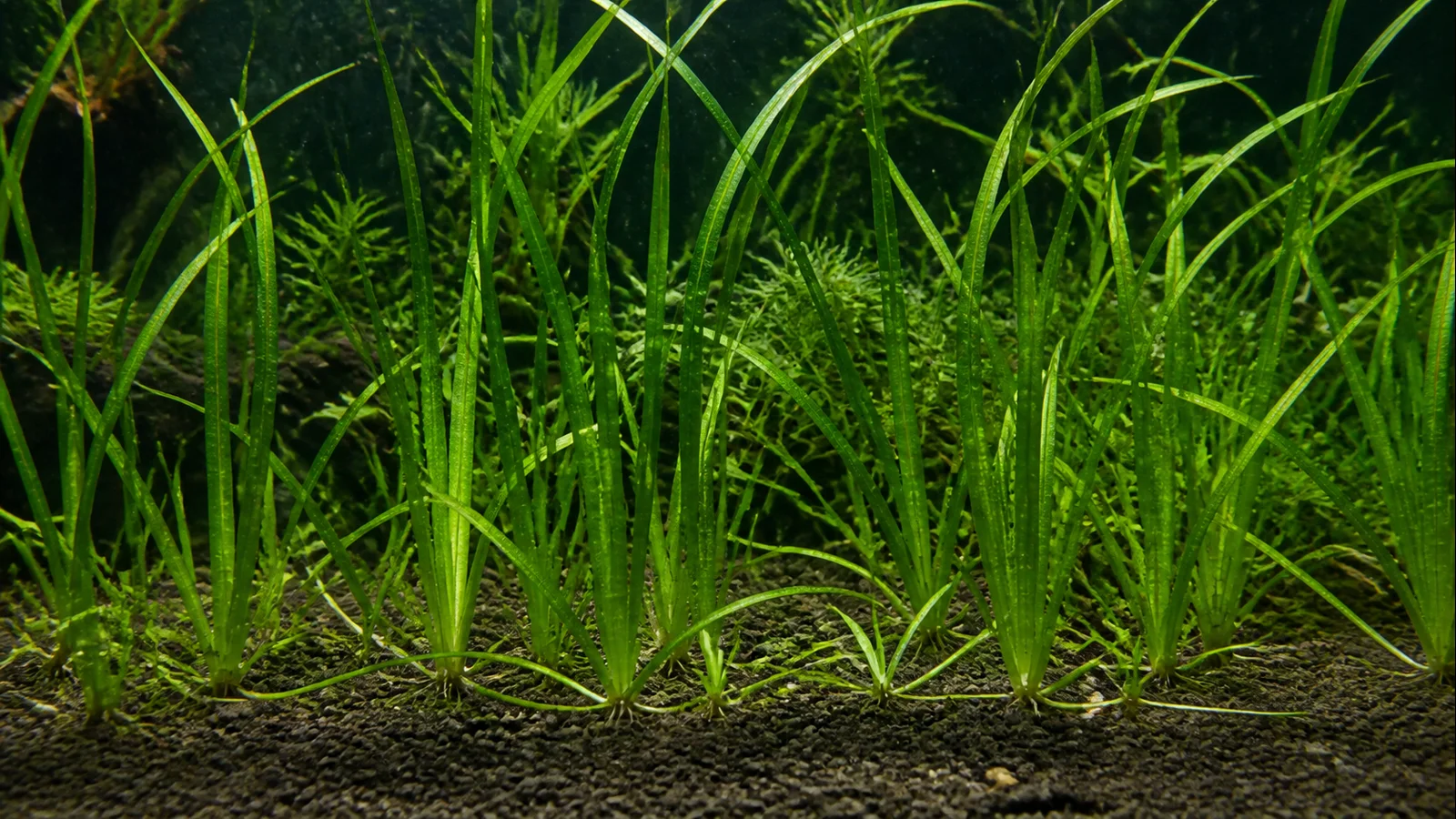
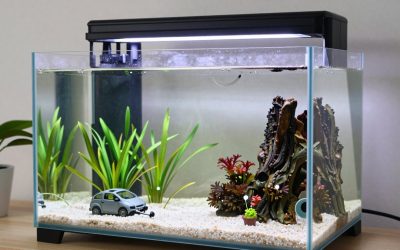
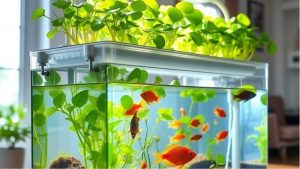
Editorial illustration; not evidence for species identification.
Build the background before planting it
Map where adult leaves may lie at the surface and where runners may travel. Rear corners, the back glass, and the sides of equipment are useful sites. Keep intake guards, heater access, and maintenance paths clear. A single straight row looks artificial and may block circulation; staggered groups create depth while leaving channels for siphoning.
The site’s background plant guide helps compare Vallisneria with stems that tolerate frequent topping. Vallisneria is best when you want leaves to remain rooted and sway through the water column, not when a rigid hedge is required.
Separate nursery clumps into individual crowns. Remove wool, damaged roots, and decayed outer leaves. Push roots into the substrate and leave the crown—the junction between roots and leaves—visible at the surface. A buried crown may decline; a plant floating above the bed cannot anchor. Space crowns several leaf-widths apart rather than recreating the tight pot.
Substrate and root-zone nutrition
Vallisneria can root in sand, fine gravel, or planted soil. The important features are secure anchorage, accessible nutrients, and a bed that is not chronically compacted or fouled. Very coarse gravel can make small crowns difficult to plant, while extremely fine, deep substrate needs thoughtful circulation and maintenance. The planted aquarium substrate guide explains these trade-offs.
Active soil may supply nutrients initially. An inert or mature depleted substrate may benefit from aquarium root tabs placed near established roots, following the manufacturer’s spacing and schedule. Do not press a concentrated tab against a crown or add extras to chase instant runners. A complete water-column fertilizer may be appropriate when the whole planting scheme needs it. Calculate the actual water volume and follow the label.
Leaf paling, holes, and stalled runners are not single-nutrient tests. Inspect whether symptoms affect old or new leaves, whether debris blocks light, and whether other plants share the pattern. Confirm regular maintenance before dosing. Sudden changes to several fertilizers, light, and carbon dioxide at once erase the evidence needed to diagnose the system.
Choose useful light, not maximum light
Tropica’s commercial plant database offers practical growth and difficulty classifications for traded Vallisneria, but cultivar and tank differences remain. Moderate, consistent light is a sensible starting point. In dim corners, leaves may lengthen and thin as they reach. Under excessive light, algae can colonize the long surfaces and the upper canopy can shade lower growth.
Adjust the fixture or photoperiod gradually. New firm leaves and steady rooting are better signals than a demand for fast weekly runner production. Carbon dioxide injection is optional, not a prerequisite. If used, its delivery and gas exchange must be stable around livestock. Fish gasping or breathing rapidly is an animal-welfare warning: restore aeration and seek qualified aquatic advice or an aquatic veterinarian when signs persist.
Avoid converting wild habitat measurements into a narrow captive requirement. V. spiralis occurs across varied habitats; stability within conditions appropriate for aquarium animals is more defensible than a universal target. Check the provenance of a cultivar when possible, acclimate it, and do not make abrupt chemistry changes solely for the plant.
Manage runners without uprooting the bed
A runner is a horizontal connection that forms a daughter crown. Decide whether each new plant strengthens the background or crosses a boundary. For a daughter you want, let it develop several leaves and roots before cutting the connection. For one you do not want, trace the runner, snip it cleanly, and lift the unwanted crown. Pulling a long runner can unseat several plants and release trapped substrate waste.
Thin from within dense colonies. Remove weak, shaded, or badly placed crowns rather than cutting every leaf to the same height. This preserves the natural ribbon form and restores water movement near the base. A removable divider beneath the substrate may slow spread, but runners can cross barriers and still require inspection.
Propagation is therefore simple but not passive. Count crowns monthly, photograph the bed, and leave open zones for feeding and bottom-dwelling animals. Dense planting must not eliminate substrate access required by the livestock plan.
Trim leaves at the base
Vallisneria leaves do not branch after a haircut. Cutting across a healthy blade leaves a blunt, damaged end that may brown back. When a leaf is too long, torn, algae-covered, or deteriorating, follow it to its crown and remove the whole leaf with clean scissors. Never cut into the crown.
Some healthy leaves can float along the surface without harm. Remove enough only when they shade most of the aquarium, interfere with gas exchange, obstruct feeding, or cover other plants. Make large reductions over multiple sessions so livestock retain cover and water chemistry is not burdened by a mass of decaying fragments.
Clean tools between tanks. Siphon loose leaf pieces immediately and gently lift debris from among crowns with a baster. Do not drive a gravel vacuum through fine roots. Review the site’s common planted-tank mistakes before responding to every cosmetic flaw with a new additive.
Troubleshoot the pattern, not the rumor
Newly planted crowns may lose older leaves after shipping yet recover from a firm center. Repeated uprooting delays that recovery. Transparent tissue throughout the newest leaves, a soft crown, or foul substrate deserves closer inspection. Verify temperature, dechlorination, ammonia, nitrite, lighting timer, and recent chemical exposure.
Aquarists often repeat that Vallisneria is universally “sensitive” to particular liquid-carbon products. Formulations, doses, and species differ, so do not treat anecdotes as a dosing rule. Any product with biocidal or algicidal action can carry risks. Use only aquarium-labeled products as directed, confirm compatibility with all inhabitants, and discontinue in response to adverse effects.
Algae on old blades often points to excessive exposure, slow or damaged growth, or accumulated organics rather than a need to scrub aggressively. Remove the worst leaf at its base, correct the system-level cause, and let new growth replace it.
Contain it outside the aquarium too
Several Vallisneria species are regulated or invasive in parts of the world, and identification errors complicate enforcement. Check national, state, provincial, and local rules before buying, trading, or shipping. UF/IFAS offers aquatic plant identification resources, and the U.S. Fish and Wildlife Service invasive species program explains why aquarium release is unsafe.
Never put runners, leaves, substrate, or aquarium water into a natural waterway, pond, drain, or storm sewer. Seal discarded material for household waste where permitted, or use the drying/freezing method specified by local authorities. Compost only with explicit local approval and no path to surface water.
The maintenance rhythm
Weekly, clear equipment, remove failing leaves from their bases, and look for boundary-crossing runners. Monthly, thin crowded crowns and reassess shade. After any major transplant, hold light and fertilizer steady long enough to see the result. This rhythm keeps Vallisneria vigorous without allowing its easiest trait—vegetative spread—to become the layout’s biggest problem.
Sources
- Kew Plants of the World Online: Vallisneria spiralis search
- Tropica aquarium plant database
- UF/IFAS Center for Aquatic and Invasive Plants
- U.S. Fish and Wildlife Service: Aquatic Invasive Species
Related Reviews & Guides
Best All in One Saltwater Tank with a Built in Sump: Top
7 Best Aquarium Heaters: Top Picks Reviewed and Compared (2026)