Last Updated: September 27, 2026
Most reactor regret starts before the box ships, when a buyer sizes on gallons or budgets only the body price. The common mistakes when buying a calcium reactor are predictable, and each traces back to skipping the demand measurement and full-system cost that should really drive the purchase.
As an Amazon Associate we earn from qualifying purchases.
By David Nguyen
Quick answer: Our top pick in 2026 is the Daily demand known — our #1 rated choice. See the full ranked comparison, alternatives and buying advice below.
How Buying a Calcium Reactor Goes Wrong
Buying errors are systematic, not bad luck, and they cluster around four decisions made in the wrong order. Each section pairs the mistake with why it seems reasonable and the threshold that signals trouble, since the fix is almost always to measure demand and price the whole system before choosing a reactor.
Buying Before Measuring Demand
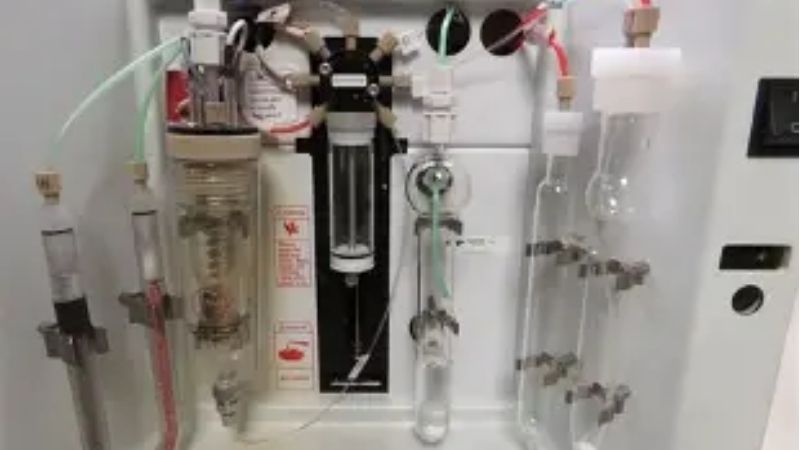
The root mistake is buying a reactor before knowing the tank’s alkalinity draw, since demand, not enthusiasm, should decide whether one is needed. A normal first step is several days of alkalinity testing to establish daily consumption, which tells you if dosing already suffices or a reactor is genuinely warranted.
The warning sign is shopping by coral type or tank size instead of a measured number, which often leads to buying a reactor a tank does not need. If you cannot state your daily dKH draw, that is the threshold to stop and test first, because every later sizing decision depends entirely on this one figure.
Treating Gallons as Output
Gallon ratings are eligibility windows, and the normal way to use them is to shortlist bodies that cover your volume, nothing more. They describe the size of system a reactor can suit under the maker’s assumptions, which is a coarse filter rather than a promise of a specific alkalinity output for your reef.
The mistake appears when a buyer reads a higher gallon rating as proportionally more output, or applies a two-times-tank-size rule with no basis. When you find yourself converting gallons into an output figure, stop, because ranges overlap and only measured demand, not the rating, sets how much reactor you need.
Budgeting Only the Body Price
A realistic reactor budget counts the whole system, since the body is one line among several. Normal complete cost adds a feed pump, a CO2 regulator with solenoid, a bubble counter, CO2 and media, plus ideally a pH controller, so the true working price sits well above the reactor’s headline sticker.
The red flag is comparing bodies on price alone and being surprised at checkout, then cutting corners on the CO2 side. If a quote covers only the reactor, treat it as incomplete, because a cheap body that forces many separate purchases often ends up costing more than a dearer one that already bundles key parts.
Ignoring Service Access
Reactors are long-term equipment, so normal buying weighs how easily you can maintain and repair one. That means checking clearance for refills and pump service under the stand, and confirming that seals, plumbing kits and replacement pumps are actually available for the model over the years you will run it.
The threshold to worry is a model with no clear parts pipeline or one wedged where you cannot service it, since low output is multi-cause and you will eventually clean, descale and swap parts. Assuming a reactor is maintenance-free is the mistake, because none are, and orphaned models die when a part fails.
What These Mistakes Look Like in Practice
In practice these errors show up as recognisable symptoms months after purchase, from an oversized body that never runs comfortably to a reactor starved of a proper feed. The table sets normal ranges against warning thresholds and the fix, so you can catch a developing mistake before it costs the tank or wallet.
| Factor | Normal Range | Watch-out Threshold | What to Do |
|---|---|---|---|
| Daily demand known | Measured over 5+ days | Bought with no test | Test alkalinity; size to draw |
| Sizing basis | Gallons as eligibility | Gallons read as output | Match measured demand instead |
| Budget scope | Whole system + media | Body price only | Cost feed, CO2, controller too |
| Service access | Parts and clearance confirmed | No parts plan; wedged in | Confirm spares; leave working room |
The Oversized Reactor That Never Settles
A common real outcome is a body bought too large for the tank’s demand, which then runs pinned at its low end and resists gentle tuning. On a light or moderate reef, that oversizing wastes money up front and burns extra media and CO2 while making a stable low output much harder to hold day to day.
The fix is to size to measured demand with modest headroom rather than the biggest rating affordable. A large body has a place on a heavy, growing SPS system, but on a modest reef the right-sized reactor tunes more easily and costs less to run, which is exactly why the demand number must lead the choice.
The Reactor Starved of a Proper Feed
Another frequent scene is a capable reactor undermined by an erratic or undersized feed, so its effluent chemistry wanders no matter how the CO2 is set. Buyers who focused only on the body often overlook the feed pump and plumbing, and the result is a reactor that never manages to deliver steady output.
Correcting it means establishing a consistent feed at the maker’s suggested rate and confirming it holds over hours. Because a stable input is the baseline every adjustment relies on, spending on a decent feed method is not an optional extra but part of making the reactor you already bought actually work as intended.
The Model With No Parts Plan
The parts problem surfaces when a pump or seal fails and the owner discovers spares are hard to find. A reactor from a brand with accessible plumbing kits and replacement pumps stays serviceable for years, while an obscure model can strand you when a routine wear item finally gives out at the worst moment.
Avoid it by confirming parts availability before buying, not after a failure. Keeping model-correct spares on hand turns downtime into a quick swap, and since every reactor eventually needs service, a clear parts pipeline is part of the value, especially on a reef that depends on steady alkalinity delivery.
The Reactor Assumed Maintenance-Free
Perhaps the most costly assumption is that a reactor, once tuned, runs untouched. In reality scale builds, pumps wear and media depletes, so a neglected unit gradually loses output and can push the tank off its alkalinity trend before the owner notices anything at all is going wrong beneath the stand.
Planning for routine descaling, pump inspection and media refills prevents that slide. Remember too that a drop in effluent is multi-cause, so troubleshoot scale, lines, CO2 and tuning before blaming the pump, since treating maintenance as ongoing rather than optional keeps a bought-right reactor performing.
Frequently Asked Questions
Buyers repeatedly ask about oversizing, controllers, regulators and whether copied settings are safe. These answers stay on measured demand and complete-system cost, since most buying mistakes come from sizing on gallons, budgeting only the body, or assuming a reactor needs no upkeep at all once it is running.
Is It Safe to Oversize a Calcium Reactor?
A little headroom is sensible on a growing reef, but deliberately buying much larger than your demand is a mistake more often than a safeguard. An oversized body costs more, uses more media and CO2, and runs at the bottom of its range where gentle, stable tuning is genuinely hardest to achieve.
Size to your measured daily draw with modest room to grow rather than to the largest rating you can afford, and never apply a two-times-tank-volume rule. If a reef is heading toward heavy SPS demand, choose real headroom for that; otherwise oversizing simply adds cost and tuning difficulty without any matching benefit.
Do I Really Need a pH Controller?
A pH controller is not strictly mandatory, but it makes a reactor far easier to run consistently by regulating CO2 against a set point. Many stable setups use one, and skipping it purely to save money is a common way buyers make ongoing tuning harder than it actually needs to be.
If you omit a controller, expect to monitor and adjust more actively, and budget a decent probe you keep calibrated. Whether or not you use one, the internal pH target remains model and media specific, so a controller helps hold your chosen setting steady but does not replace tuning to your own tank’s trend.
How Much Does Regulator Quality Matter?
The CO2 regulator is easy to underrate, yet a poor one delivers unstable gas that undermines every downstream adjustment. A quality regulator with a reliable solenoid holds a steady rate, which is exactly what a reactor needs, so treating it as an afterthought is a classic full-system budgeting mistake buyers make.
Because the regulator sits upstream of all your tuning, saving heavily here often costs more in frustration and wasted CO2 later. Budget it as a core part of the system rather than a place to economise, since consistent gas is a precondition for the stable, one-variable tuning that a reactor depends on.
Can I Copy Another Tank’s Settings?
Copying another reef’s bubble count, internal pH or effluent figure is unreliable, because protocols vary across brands and every tank’s demand differs. Settings that hold one system steady can over- or under-supply another, so borrowed numbers are a curiosity at best, never a shortcut around tuning your reactor.
Use the maker’s documentation for a starting point, then adjust to your measured alkalinity trend. Since low effluent is multi-cause and targets are model specific, the reliable path is single, spaced changes confirmed over several days, which no copied figure can substitute for on a tank with its own demand and gear.
Final Thoughts
The common mistakes when buying a calcium reactor all share one cause: deciding before measuring. Test your demand, treat gallons as eligibility rather than output, budget the whole system, and confirm parts and access, and you sidestep the oversizing, feed and maintenance traps that turn a reactor into a regret.
Ready to decide? Our #1 pick for 2026 is the Daily demand known.
Live price & availability on Amazon.
Related Reviews & Guides
Best Protein Skimmer Maintenance and Cleaning Kit: Top Smart
How to Set Up an Apex Controller Step by Step: Best Compared