Last Updated: October 21, 2026
A physical leak is water on the floor, and pH or ORP probes cannot sense that, so the best pH and ORP monitor for leak detection is chosen on its leak sensing method, whether the sensor is included or extra, its notification path, and its ability to shut equipment down when a spill starts.
As an Amazon Associate we earn from qualifying purchases.
By David Nguyen
How to Choose a pH and ORP Monitor for Leak Detection
Because probes read chemistry, not spills, a leak build has to be judged on a different chain than a plain monitor. Rank the leak sensing method first, then whether the sensor ships in the box or costs extra, the notification path, and finally whether the unit can cut power to equipment on its own.
Leak Sensing Method
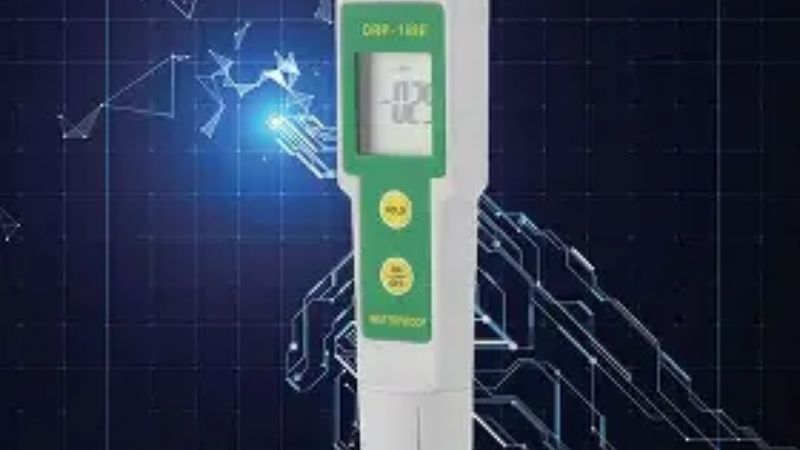
Leak detection depends on a dedicated physical sensor, not the pH or ORP electrodes. The Neptune A3 Apex Pro includes a leak sensor plus a 15-inch level sensor, and the Red Sea ReefControl Pro Deluxe bundles leak sensing as well, so both can register water where it should not be around the tank.
The HYDROS Control X4 needs a point leak sensor added to its Starter, and the GHL ProfiLux 4 requires a leak sensor and interface beyond the Mega-Set. One caution matters here: GHL notes its conductive leak sensor is not suitable for osmosis water, which does not conduct reliably enough to trip it.
Sensor Included or Extra
Whether the sensor is included changes the true price more than the sticker suggests. The Red Sea Deluxe includes leak sensing at about $699 as of 09/2026, and the Apex Pro includes leak and level within its under $1,100 bundle, so their leak capability is present the very day each unit arrives.
A HYDROS leak-ready build runs about $600 as of 09/2026 — roughly the under-$600 Starter, plus under $60 for ORP, plus a point leak sensor near under $50 — while GHL adds a sensor and interface on top of under $1,000. Price the sensor in from the start, since a leak article is really about that add-on cost.
Notification
A detected leak only helps if it reaches you quickly. Each of these controllers pushes alerts through its own app, and the HYDROS system layers email and push together, so a leak event does more than sit on a local screen waiting to be noticed on your next walk past the tank hours later.
Verify the current channel at purchase, because platforms change: Neptune ended Apex SMS notifications on 2025-11-05, so alerting now leans on push and email. None of these makers publish an independently researched delivery time, so treat a leak alert as fast but not a guaranteed instant message.
Equipment Shutdown and Control
The strongest leak response cuts power, not just sends a message. The Apex Pro drives the EB832’s eight AC outlets, so a leak can trip a return pump or ATO automatically, and the Red Sea Deluxe can act once the Power 8 is added at about $319 extra as of 09/2026 to its monitoring-first base.
The HYDROS Starter includes four WiFi AC outlets that can switch a device on a leak rule, while a barer build may only sound an alarm. Decide whether you want the tank to alert you, act on its own, or both, because that choice sets which unit and which outlet hardware you actually need to buy.
Top Picks
These four systems are ranked for leak protection by how completely they detect a spill and act on it, then by configured cost. Each lists verified specs, a relative price tier, and the drawback that matters most when the goal is catching water on the floor before it reaches the carpet.
| Product | Best For | Key Spec | Watch Out For |
|---|---|---|---|
| Neptune A3 Apex Pro | Best overall | Leak + 15-in level; 8 outlets; 2 ports | Standard A3 differs from the Pro |
| Red Sea ReefControl Pro Deluxe | Best for included leak value | Leak, pH, salinity, ORP; up to 7 sensors | AC switching needs Power 8 (extra) |
| HYDROS Control X4 + ORP | Best for a lighter build | 2 pH/ORP ports; 4 WiFi outlets | Point leak sensor is extra |
| GHL ProfiLux 4 Mega-Set 6E | Best for multi-parameter | pH 3–10.5; redox, conductivity, temp | Leak sensor + interface extra |
Neptune A3 Apex Pro
The Neptune A3 Apex Pro is the leak overall pick because it includes a leak sensor and a 15-inch level sensor alongside two pH/ORP ports and temperature, and wires them to the EB832’s eight AC outlets. It can detect a spill and cut power in the same action rather than merely logging the event.
Plan on about $1,100 at BRS or under $1,200 direct as of 09/2026, the most complete leak-and-shutdown package here. The usual SKU caution applies: the standard A3 Apex has one pH port and no ORP probe, so confirm the Pro if you want simultaneous readings behind the leak protection you are paying for.
Red Sea ReefControl Pro Deluxe
The Red Sea ReefControl Pro Deluxe is the included-leak value choice, bundling a leak sensor with pH/temp, salinity/temp and ORP, and scaling to seven probes or sensors via a four-port expander. Leak detection is present out of the box rather than a separate purchase, at a lower entry price than the Apex.
At about $699 at BRS as of 09/2026 it is monitoring-first, so acting on a leak means adding the Power 8 near $319 for roughly $1,018 configured. If you want it to cut power when the sensor trips, budget that switching hardware rather than assuming the base unit can react to the spill on its own.
HYDROS Control X4 + ORP
The HYDROS Control X4 + ORP suits a lighter leak build that still wants app control and switching. It offers two pH/ORP ports, includes pH and temperature, and bundles four WiFi AC outlets, though a point leak sensor must be added to make it genuinely leak-aware rather than pH-and-ORP only.
A leak-ready HYDROS runs about $600 as of 09/2026 once the Starter, ORP probe and a point sensor near under $50 are combined. That still undercuts the reef-grade platforms, so it fits a keeper who wants leak coverage and light automation without committing to a full controller ecosystem.
GHL ProfiLux 4 Mega-Set 6E
The GHL ProfiLux 4 Mega-Set 6E fits keepers who want leak protection inside the widest parameter set. It reads pH 3–10.5 and ORP with redox, conductivity and temperature probes and a six-socket Powerbar, with leak added through a separate sensor and interface beyond the Mega-Set price itself.
Expect around $1,000 at GHL USA as of 09/2026 before the leak hardware, and note the conductive leak sensor is not suitable for osmosis water. For an RODI top-off area, confirm a compatible detection method rather than assuming the standard sensor will register that particular kind of spill.
Frequently Asked Questions
Leak-focused buyers ask a recurring set of questions before choosing a pH and ORP monitor for the stand. Each answer opens with the direct call, then the condition that changes it, so you can match sensing and shutdown to the specific spill risks around your own tank and cabinet.
What spec should decide this purchase?
The leak sensing method should decide it, because that is the capability the pH and ORP probes simply cannot provide. A system with a real physical sensor, wired to a notification and ideally a shutdown, protects the floor in a way no chemistry reading ever will, however precise that reading is.
From there, weigh whether the sensor is included and whether the unit can act on a trip. Included leak sensing and a switched outlet matter more than an extra water parameter, and the configured price should reflect the sensor, interface and switching hardware the build truly requires to work.
Which numbers are hard facts and which are heuristics?
Included sensors, outlet counts and September 2026 prices are hard manufacturer or retailer facts. The leak-ready totals, such as the roughly $600 HYDROS build, are equally concrete but move with the market, so read them as current snapshots rather than figures fixed permanently on a spec sheet.
The judgment layer is fit: the GHL conductive-sensor caution for osmosis water is a real limit, not a number, and delivery speed is unverified across brands. Confirm the detection method suits your spill location, and treat alert timing as fast rather than guaranteed to arrive within a second.
Is the highest headline number always better?
No. More parameters or outlets only help leak protection if they connect to a real sensor and a response, and specs measured differently do not compare across brands. The right pick detects the spill you actually face and acts on it at a configured cost you can defend, not the longest feature list.
That is why an included-leak Red Sea can protect a floor as well as a pricier build once its Power 8 is added, while a bigger parameter count on another unit adds nothing to leak safety. Buy for detection and shutdown first, and treat extra water-quality channels as a separate decision entirely.
When might the reader not need this?
If the tank has no realistic flood path — a small, well-contained system with no sump or ATO — a full leak-and-shutdown controller may be more than the risk warrants. A simple standalone water alarm can cover a low-stakes spill for far less money and effort than a reef-grade platform.
Leak detection earns its cost once a sump, ATO or return pump can move real volume onto the floor. When that risk exists, prioritize a physical sensor and a switched outlet over parameter breadth, since the point of this particular build is stopping water, not logging more chemistry channels.
Final Thoughts
For flood protection, the best pH and ORP monitor for leak detection lines up its physical sensor, alert path and shutdown: included leak sensing where possible, an alert you will receive, and an outlet that cuts power. Price the sensor and switching hardware upfront, and confirm it fits where a spill happens.

Best Single Sofa Bed in 2026: Top Picks for Every Budget

Best Microsoft Chromebook in 2026: Buying Guide