Last Updated: October 21, 2026
Quiet is hard to measure, so the best quiet calcium reactor is chosen from documented noise-focused engineering rather than invented decibel rankings. Separate pump noise from CO2 bubble chopping, favor sound-reducing design, and accept that no honest source ranks brands by absolute silence.
As an Amazon Associate we earn from qualifying purchases.
By David Nguyen
How to Choose a Quiet Calcium Reactor
Reactor noise comes from two sources, and no reliable cross-brand decibel ranking exists, so choosing a quiet one means judging documented engineering, not marketing claims. These criteria separate pump noise from CO2 chopping, weigh design, avoid invented numbers, and stress the upkeep that keeps it quiet.
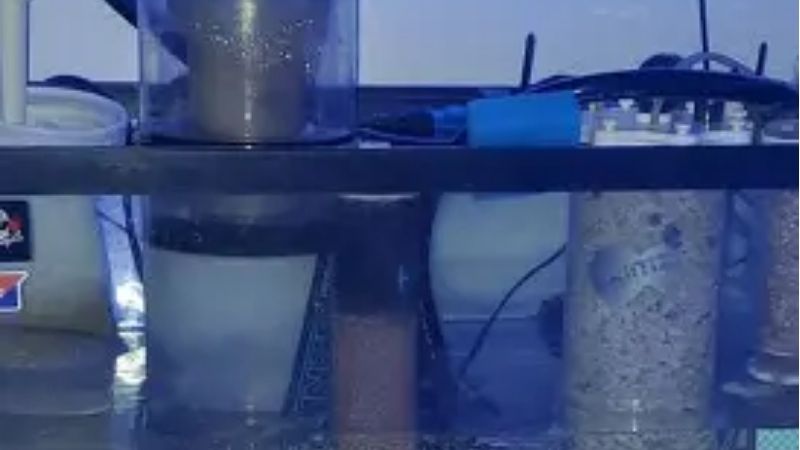
Separate Pump Noise From CO2 Chopping
A reactor makes noise in two ways: the recirculation pump running continuously, and CO2 bubbles being chopped or moving through the chamber. These sources behave differently, so identifying which one bothers you matters, because a quiet pump does nothing for a reactor whose bubble handling is what you hear.
Judge a candidate against the noise source that concerns you rather than a single vague quiet claim. A DC pump may address motor hum, while chamber and bubble design affect the fizzing sound, so separating the two keeps you from buying a reactor that solves the wrong half of the noise problem entirely.
Look at Isolation and Design
Documented noise-reduction engineering is more trustworthy than a bare quiet label, so look for design details a maker actually describes. GEO, for example, states a 70 percent pump-sound reduction for GEN3 versus its own GEN2, a specific engineering claim about a generational change, not a competitor comparison.
Pump architecture and mounting also shape noise, and a controllable DC pump like the one in the OCTO CalReact is often described as running quietly. Weigh these documented features, and place the reactor on isolating feet, since installation affects perceived noise as much as the body’s own engineering.
Avoid Inventing Decibel Rankings
No independent source provides comparable decibel measurements across these reactors, so any numeric silence ranking would be invented. Resist listings or reviews that assign precise dB figures brand to brand, because without a shared test method those numbers are not meaningful and can mislead you. Ask for the method.
Treat manufacturer quiet and silent claims as marketing, not benchmarks, and note that GEO’s 70 percent is a within-brand generational claim, not a cross-brand result. Rank candidates by documented engineering and your own priorities, and accept honest qualitative comparison over false precision about quietness.
Maintain the Equipment for Quiet Running
A reactor gets louder as it wears, so upkeep is part of staying quiet. Scale buildup, a failing impeller or loose fittings can all add noise, which means even a well-engineered body will drift toward rattles and hum if the pump and plumbing are neglected over months of continuous operation. Loose unions rattle first.
Regular descaling, pump inspection and secure mounting keep a quiet reactor quiet. Because low output and new noises often share causes like scale, a maintenance routine both preserves performance and controls sound, so factor ongoing care into any expectation of quiet running rather than assuming silence lasts.
Top Picks
These four bodies are grouped by documented noise engineering and pump design, not by any invented silence ranking. Shortlist from the table, then decide which noise source matters most, since a reactor described as quiet on pump hum may not address bubble sound, and no source ranks these by decibels under one method.
| Product | Best For | Key Spec | Watch Out For |
|---|---|---|---|
| GEO CR612 GEN3 | Best documented pump-noise design | 70% pump-sound cut vs GEN2 (claim); 9 W | Within-brand claim, not cross-brand |
| OCTO CalReact | Best for quiet pump architecture | Variable-speed DC pump; quiet claim | Quiet claim is marketing, not a benchmark |
| Tunze 3171 | Best established quiet build | Up to 317 gal; 1.85 L media; 25 W US | No independent dB ranking available |
| AquaReady cTech T-1 | Best quiet-running value | 75-300 gal; 2.9 L; ~$235 (Sep 2026) | Noise depends on tuning and upkeep |
GEO CR612 GEN3 — Best Documented Pump-Noise Design
The GEO CR612 GEN3 is the pick backed by a specific noise claim, with GEO stating a 70 percent pump-sound reduction over its own GEN2. Its current spec block lists 9 watts of pump power, and that documented generational improvement is more useful than a vague quiet label when you care about motor hum. Rated to 150 gal.
The 70 percent figure is a within-brand, GEN3-versus-GEN2 claim, not a comparison against other makers, so read it as engineering progress rather than proof it beats rivals. Note also a spec conflict where marketing has cited 3 watts against the 9-watt spec block; use the 9-watt current figure for planning.
OCTO CalReact — Best for Quiet Pump Architecture
The OCTO CalReact centers on a variable-speed DC pump, an architecture often associated with quieter, smoother running than fixed AC motors. If pump hum is the noise that bothers you, its controllable DC design is a sensible starting point, letting you moderate speed while keeping the motor’s acoustic signature low.
Its quiet reputation rests on manufacturer description and pump type, not an independent decibel test, so treat the claim as marketing rather than a benchmark. Confirm current specs and pricing, and remember DC pump quietness addresses motor noise, not the separate bubble sound a reactor’s CO2 handling produces.
Tunze 3171 — Best Established Quiet Build
The Tunze 3171 is a well-regarded, established reactor rated up to 317 gallons with 1.85 liters of media and a 25-watt US pump. Its reputation for solid build quality makes it a reasonable choice where quiet, reliable running matters, backed by a brand known for durable pumps and accessible replacement parts.
No independent decibel ranking places it precisely against rivals, so judge it on build and your own priorities rather than a number. Its rating is conditional on coral population, and the region-specific 25-watt US figure should guide planning, with quiet running depending partly on maintenance and mounting.
AquaReady cTech T-1 — Best Quiet-Running Value
The AquaReady cTech T-1 rounds out the list as the value option, with a 75 to 300 gallon range, a 2.9-liter chamber and a price around $235 as of September 2026. It is not marketed on silence, but sensible tuning, an included pump and good mounting keep a well-run T-1 unobtrusive on most systems. Isolation feet help.
Because no cross-brand decibel data exists, its quietness comes down to how you install and maintain it rather than a spec. Place it on isolating feet, keep the pump and plumbing serviced, and tune conservatively, and it delivers quiet-enough running at the lowest verified price among these picks. Service it regularly.
Frequently Asked Questions
Questions about quiet reactors often seek a decibel number that does not honestly exist, so these answers focus on noise sources, pump type and upkeep. The reliable approach is documented engineering and your own priorities, since no independent source ranks these reactors by comparable absolute loudness across brands.
How Many Decibels Does a Quiet Reactor Produce?
There is no reliable published decibel figure to quote, because no independent source measures these reactors under a shared method. Any precise dB ranking you see is effectively invented, so treat such numbers with suspicion and judge quietness by documented design and reputation, not an unverifiable figure.
A more useful question is which noise source you want reduced, since pump hum and CO2 bubble sound differ. Focus on engineering a maker actually describes, like GEO’s within-brand 70 percent pump-sound claim, and on your own priorities, rather than chasing a decibel value no honest test supports. Verify the claim.
What Causes Bubble Noise, and Can I Reduce It?
Bubble noise comes from CO2 entering and being processed in the reactor, distinct from pump hum. It can often be reduced by tuning the CO2 and effluent rates sensibly and ensuring smooth gas handling, so the sound is partly a function of how the reactor is run rather than a fixed property of the body.
Chamber and bubble-counter design also influence it, and maintenance matters, since scale can change how gas moves through the system. Address bubble noise through tuning and upkeep first, and recognize that a reactor marketed as quiet on pump noise may still produce this sound if the CO2 side is not dialed in.
Is a DC Pump Quieter Than an AC Pump?
DC pumps are often described as running more quietly and smoothly than fixed AC motors, and their controllable speed can help, which is why bodies like the OCTO CalReact lean on them. For motor hum specifically, a DC pump is a reasonable choice if that is the noise you are trying to reduce. Use the lowest usable speed.
That advantage is about motor noise, not the separate bubble sound, and it rests on design rather than an independent decibel test. Treat quiet DC claims as engineering-based marketing, not a benchmark, and remember that mounting and maintenance shape how quiet any pump, AC or DC, is in your cabinet. Rubber feet help.
Does Maintenance Affect How Quiet a Reactor Is?
Yes, significantly, because a reactor grows louder as it wears. Scale buildup, a failing impeller or loose fittings introduce hum and rattles, so even a well-engineered quiet body drifts toward noise if the pump and plumbing are neglected over months of the continuous running a reactor requires. Purge trapped air too.
Regular descaling, pump inspection and secure mounting keep a quiet reactor quiet, and since noise and low output often share causes like scale, upkeep serves both. Factor ongoing maintenance into any quiet expectation, and place the body on isolating feet, since installation shapes perceived noise too.
Final Thoughts
The best quiet calcium reactor is chosen from documented noise engineering, not invented decibel rankings, so separate pump hum from bubble sound and weigh design honestly. GEO’s within-brand pump-noise claim and DC pump designs are reasonable starting points, but tuning, mounting and maintenance keep a reactor quiet.

Best Air Compression Foot Massagers
Best Wireless Dosing Pump With App Control: Top Compared Guide