Last Updated: November 11, 2026
Searching for a home defibrillator usually begins with a worry rather than a wish list: a family member with a heart condition, an older relative living alone, or simply a household that wants to be prepared. That context makes this a different kind of purchase from most gear. This guide is general buyer-side information, not medical advice, and it makes no promises about outcomes. Its job is to explain what the listings actually describe, how automated external defibrillators (AEDs) differ from trainers and storage accessories, and which questions to settle before you spend anything.
The decision comes down to three things: whether you are shopping for a real device or a practice tool, what consumables and accessories the device needs, and where it will live in the house. The listed products below mix full units, a replacement battery, a trainer, and a wall cabinet, so reading the title carefully matters. Speak with a physician or your local emergency or public-health office about whether a device suits your household, and confirm every regulatory and compatibility detail on the listing. Rules and availability differ by country and may change in 2026.
Quick Picks

Portable AED Defibrillator Home Emergency Equipment Automatic External Defibrillator Variable Load
Included for '6 Best Home Defibrillators (November 2026)' as a representative aquarium product in this roundup; selection reflects the product set returned for this topic.
View on Amazon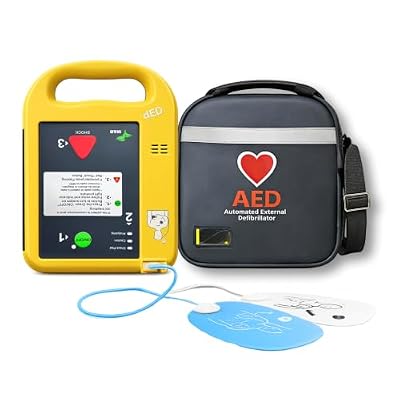
AED Automatic External Defibrillator, Portable Machine Emergency Suitable for Home, Gym, Office, School
Included for '6 Best Home Defibrillators (November 2026)' as a representative aquarium product in this roundup; selection reflects the product set returned for this topic.
View on Amazon
AED Defibrillator Portable Automatic External Defibrillator Cardiac Emergency Equipment Variable Load for Home Use in Gyms, Subways, and Companies
Included for '6 Best Home Defibrillators (November 2026)' as a representative aquarium product in this roundup; selection reflects the product set returned for this topic.
View on Amazon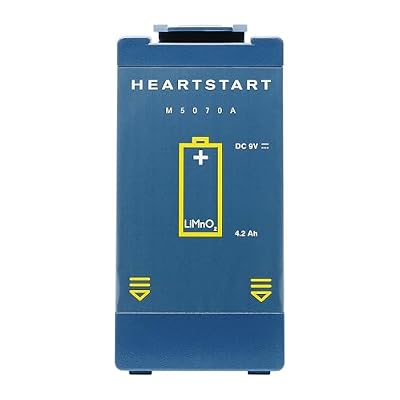
Philips HeartStart Home and Onsite Automated External Defibrillator Battery
Included for '6 Best Home Defibrillators (November 2026)' as a representative aquarium product in this roundup; selection reflects the product set returned for this topic.
View on Amazon
Philips HeartStart Home AED Defibrillator with Training Pads Cartridge, M5068A-C02
Included for '6 Best Home Defibrillators (November 2026)' as a representative aquarium product in this roundup; selection reflects the product set returned for this topic.
View on Amazon
XFT AED Trainer & AED Simulator & AED Defibrillator for Home, Lightweight CPR Practice Device, Portable Defibrillator Training for First Aid Beginners (XFT-120N)
Included for '6 Best Home Defibrillators (November 2026)' as a representative aquarium product in this roundup; selection reflects the product set returned for this topic.
View on Amazon| Product | Best for | Key detail from the listing |
|---|---|---|
| Portable AED, variable load (first listing) | Shoppers comparing unbranded devices | Automatic external defibrillator, home emergency equipment |
| Portable AED for home, gym, office, school | Shared spaces | Marketed for several settings |
| Philips HeartStart replacement battery | Existing Philips owners | Battery for Home and Onsite models |
| Philips HeartStart Home AED | Households wanting a named brand | Includes training pads cartridge, model M5068A-C02 |
| XFT AED trainer | Practicing steps, not for real use | Trainer and simulator for CPR and first aid practice |
| OVERDOSE KITS wall cabinet | Mounting and securing a device | Steel cabinet with alarm and lock, compatible with several brands |
How to Choose
Know What You Are Buying: Device, Trainer, or Accessory
Listings in this category blend very different items. A real AED is a medical device. A trainer or simulator is a practice tool that does not deliver a shock. A battery, pad cartridge, bag, or cabinet is an accessory. Read the first words of the title and the compatibility line. If a listing names a trainer, it is meant for learning the steps, not for use in an emergency.
Regulatory Status and Seller Documentation
Many countries regulate AEDs as medical devices. Before buying any unit, look for clear information about regulatory clearance in your country, the manufacturer, and who provides service and support. Unbranded listings often leave these details out of the title, so ask the seller or confirm on the listing. A named manufacturer with published documentation is generally easier to verify than a listing with only generic descriptions.
Consumables, Expiry, and Ongoing Care
An AED relies on batteries and electrode pads that have expiration dates and need replacement on a schedule. Check which pads and battery the device uses, how long each is stated to last, and whether replacements are available where you live. Also look at whether the device runs self-checks and signals when something needs attention. Plan for the ongoing cost and effort, not just the first purchase.
Placement, Training, and Local Guidance
Where a device is kept affects how quickly people can find it, and a wall cabinet with an alarm can help keep it visible and protected. Training matters too: many local organizations offer CPR and AED courses, and a trainer can help family members practice the sequence. Check with your local emergency service or health authority about guidance, registration of devices, and any requirements for home or workplace placement.
The 6 Best Options
Portable AED Defibrillator (Variable Load)
This listing presents a portable automatic external defibrillator as home emergency equipment with variable load in the title. It speaks to shoppers looking for an unbranded, general-purpose unit. The title is short on details, so the buying task is mostly one of verification: who makes it, how it is cleared, and what pads it uses. Listings that read like a catalog line deserve extra questions before any order is placed.
- Marketed specifically for home use.
- Portable format meant to be moved or stored easily.
- Trade-off: the title lacks manufacturer, pad type, and battery details.
Skip it if you want documented support from a recognized manufacturer or cannot confirm regulatory status. Confirm all of that on the listing and with the seller before making a decision, and keep the answers in writing so you can refer to them later.
Portable AED for Home, Gym, Office, and School
This second unbranded AED is positioned for several settings, from homes to gyms, offices, and schools. That broad wording suggests a general-purpose device, and it appeals to shoppers who want one unit that could move between locations or serve a small shared space such as a family business, a club room, or a community hall.
- Broad positioning for home and community settings.
- Portable format, according to the listing.
- Trade-off: no brand, pad, or battery information appears in the title.
Skip it if you need verified documentation, a named manufacturer, or a clear service plan. Ask about regulatory clearance, pad availability, warranty, and returns before deciding, and consult a professional about suitability for your setting. A device meant for shared use also raises questions about who is responsible for upkeep.
Philips HeartStart Home and Onsite AED Battery
This is not a defibrillator itself. It is a battery for the Philips HeartStart Home and Onsite units, so it fits only owners of those models. It is useful for planning ongoing care, because a battery is one of the consumables that must be kept current for a device you already own. Treat the date printed on the replacement as part of the purchase decision rather than an afterthought.
- Named brand with clear model compatibility in the title.
- Helps owners keep an existing device supplied.
- Trade-off: it has no use without a compatible Philips unit.
Skip it if you do not already own a compatible device. Check the exact model match, the stated shelf life, and the manufacturer’s instructions on the listing before ordering, and write the replacement date in a calendar you actually check.
Philips HeartStart Home AED With Training Pads Cartridge
The listing names a Philips HeartStart Home AED, model M5068A-C02, with a training pads cartridge. It is the most clearly identified full unit in the group, from a manufacturer that publishes documentation, and it targets households that prefer a recognized name over an unbranded product. A named product also makes it easier to find the manufacturer’s instructions and support channels.
- Named manufacturer and model number make verification easier.
- Training pads cartridge is mentioned for practice.
- Trade-off: the title does not list the pad and battery expiry details.
Skip it if you cannot confirm that it is cleared for sale where you live, or if you are unsure whether you want the commitment of maintaining a device. Confirm that a medical professional agrees it suits your household. Confirm contents, warranty, and replacement parts on the listing.
XFT AED Trainer and Simulator
This is a practice device, not a working defibrillator. The title describes an AED trainer and simulator for CPR practice and first-aid beginners. It suits families, students, or teams who want to rehearse the sequence of steps without the stress of a real situation, and with the chance to repeat steps until they feel familiar.
- Meant for learning, which removes any confusion about live use.
- Lightweight and portable, according to the title.
- Trade-off: it cannot stand in for a real device.
Skip it if you want an actual defibrillator for your home. Pair a trainer with a formal course from a recognized provider, and confirm what the trainer includes on the listing, such as pads, a carry case, or voice prompts, because the title does not spell these out.
OVERDOSE KITS AED Wall Mount Cabinet
A wall cabinet is a storage accessory, and this one is described as durable steel with an alarm and a lock. It is listed as compatible with Philips, Zoll, Cardiac Science, and Defibtech units, so it suits a household or small business that already owns a device and wants a visible, protected spot for it. A lock also needs a plan, since a cabinet that is hard to open adds friction for everyone in the household.
- Steel construction with alarm and lock, per the listing.
- Stated compatibility with several named brands.
- Trade-off: it does not include a defibrillator.
Skip it if your device does not fit, or if you prefer a portable bag. Confirm dimensions against your exact model and wall space, and check mounting instructions on the listing, including whether the wall type in your home can hold a steel cabinet and whether the alarm runs on batteries.
Which One Fits Your Situation
You Want a Named Brand With Clear Documentation
The Philips HeartStart Home unit is the most clearly identified full device here. Verify regulatory status in your area and talk to a medical professional before buying. Ask what training pads, battery, and support come with it, and compare the listed contents against the manufacturer’s own documentation.
You Already Own a Philips Device
The Philips replacement battery is the relevant listing, provided it matches your model. Check expiry and instructions before ordering, and keep the old battery’s label handy to compare part numbers.
You Want to Practice the Steps
The XFT trainer is built for that purpose. It works for families, classes, and workplaces, and it pairs well with a formal course from a recognized provider, which is where real instruction on the steps and on calling for help takes place.
You Own a Device and Need a Place for It
The OVERDOSE KITS cabinet provides a lockable, alarmed wall mount. Confirm that your model fits before ordering, and decide in advance who in the household holds the key or knows how to silence the alarm.
Common Mistakes
- Confusing a trainer or accessory with a working defibrillator.
- Buying a device without confirming regulatory status and service support.
- Overlooking battery and pad expiry dates and replacement availability in your region.
- Storing the device somewhere hidden or locked away from people who might need it.
- Skipping training and local guidance on how to use and register the device.
Related guides
- Emergency Water Filtration Systems For Families
- Outdoor Dinnerware Set For Patio Entertaining
- Produce Storage Container For Refrigerator
Frequently Asked Questions
Do I need a prescription to buy an AED?
Rules vary by country and region. Check with the seller, your local health authority, or a medical professional before buying, and ask what paperwork comes with the device.
What is the difference between an AED and a trainer?
An AED is a medical device. A trainer is a practice tool that teaches the steps and does not deliver a shock.
How often do pads and batteries need replacing?
They have expiration dates set by the manufacturer. Check the listing and the manufacturer’s documentation, and keep a reminder so replacements arrive in time.
Where should a home AED be stored?
Keep it where household members can find it quickly, such as a central, visible spot, and make sure everyone in the house knows where it is. A wall cabinet can help, and local guidance may offer further advice on placement, signage, and registering the location with emergency services.

Boulevardier Cocktail Recipe: The Whiskey Negroni, Explained

Best Powerful Hair Dryers in 2026: Compared and Ranked