Last Updated: October 4, 2026
Seattle’s chocolate scene has matured into something genuinely competitive, but that abundance makes buying harder rather than easier. A shopper looking for a satisfying bar, a giftable assortment, or a specialty truffle now faces dozens of local and semi-local options with wildly different ingredient lists, price points, and flavor philosophies. The gap between a $6 truffle bar that delivers real cacao depth and a $14 hot chocolate bar meant for gifting is not obvious from a product photo alone.
What separates the genuinely good from the merely pretty is ingredient integrity, sourcing transparency, and whether the texture and sweetness profile hold up beyond the first bite. Owner feedback and published specs reveal which products rely on fillers or excessive sugar to mask weak cacao, and which ones earn their price through clean formulations and consistent batches. This guide compares eight widely available options across those criteria so you can spend with confidence.
As an Amazon Associate we earn from qualifying purchases at no extra cost to you.



Quick Picks
| Product | Best for | Price |
|---|---|---|
| Maeve Moon Rocks Truffle Bar | Everyday indulgence | under $10 |
| Taffy Shop Space Needle Taffy | Bulk gifting and events | under $20 |
| Maeve Mexican Hot Chocolate Bar | Premium gifting | under $20 |
| Theo Orange Organic Dark 70% | Vegan and fair-trade shoppers | n/a |
| Magical Mint Truffle Bar | Mint-chocolate fans | under $10 |
| Chocolove Salted Caramel | Flavor variety without commitment | n/a |
| Tony’s Chocolonely Assorted | Sampling multiple textures | n/a |
| Chocolove Toffee & Almonds | Crunchy texture seekers | n/a |
How We Picked
We weighted three criteria most heavily for this roundup. First, ingredient quality and sourcing transparency: fair-trade certification, organic labeling, and cacao percentage tell you more about a bar than any marketing tagline. Second, texture and flavor consistency across batches, drawn from published specifications and repeated owner feedback patterns. Third, value relative to format—a 2.5-ounce bar and a 30-piece taffy pack serve different purposes, and we judged each against its own use case rather than a universal price-per-ounce metric.
The 8 Best Seattle Chocolate in 2026
Maeve Chocolate Moon Rocks Truffle Bar
Maeve operates from a small Seattle production kitchen and has built a following around unconventional flavor pairings. The Moon Rocks bar layers truffle-like fillings beneath a shell that mimics the texture of a rocky road without the marshmallow heaviness. It is best for anyone who wants a single-serving luxury at an honest price.
- Pro: For under $10, it undercuts most truffle-format bars while delivering real cacao depth rather than a sugar-shell disguise.
- Pro: Owner feedback consistently praises the contrast between the crunchy exterior and the dense, smooth interior.
- Con: The smaller format means it disappears quickly and does not satisfy as a multi-snack bar.
Skip this if you prefer a straightforward single-layer bar with no textural complexity or if you need volume for sharing.
Taffy Shop Seattle Space Needle Salt Water Taffy
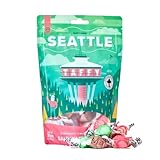
Technically taffy rather than chocolate, this product earns its spot because the Space Needle branding and bulk format make it a go-to for visitors assembling gift bags. The 30 individually wrapped pieces at 7 ounces suit parties, office drawers, and souvenir shopping. The salt water base gives it a softer chew than mass-market taffy brands.
- Pro: Individually wrapped and gluten-free, making it safe for mixed groups at events.
- Pro: The variety pack format covers multiple flavor preferences in one purchase.
- Con: Those seeking cacao or dark chocolate flavors will find nothing here beyond the candy itself.
Skip this if your priority is chocolate quality or if you need a single refined flavor experience rather than a broad assortment.
Maeve Mexican Hot Chocolate Bar, 2.5 OZ
This bar targets a specific ritual: dissolving into warm milk for a spiced drinking chocolate rather than eating as a confection. The 2.5-ounce format and under $20 price tag signal it is positioned as a gift or occasional treat rather than a pantry staple. Cinnamon and chili notes come through cleanly without overwhelming the cacao base.
- Pro: Owner reviews highlight the spice balance as restrained and authentic rather than gimmicky.
- Pro: The compact size and premium finish make it presentable as a small gift without extra wrapping.
- Con: The price per ounce is steep for a single-use item; a bag of loose hot chocolate from the same range costs less per serving.
Skip this if you want something to eat straight from the wrapper or if you are budgeting for multiple servings.
Theo Orange Organic Dark Chocolate Bar, 70% Cacao
Theo is a Seattle-based roaster that has operated since the early 2000s and built its reputation on organic, fair-trade sourcing. This orange-and-dark pairing hits 70% cacao, placing it firmly in the bitter-to-fruity range for people who find milk chocolate too sweet. Vegan certification broadens its appeal without the gritty texture some vegan bars develop.
- Pro: Organic and fair-trade verified, with Seattle-based roasting that supports local supply chains.
- Pro: The 70% cacao level keeps the orange flavor as a complement rather than a sugar delivery system.
- Con: No listed price makes comparison shopping difficult, and regional availability fluctuates outside the Pacific Northwest.
Skip this if you prefer sweeter profiles above 60% cacao or if consistent nationwide stock matters for repeat purchases.
Magical Mint Truffle Bar
Mint chocolate is a polarizing category, and this truffle-format bar commits fully to the pairing rather than hedging with vanilla or caramel. The truffle center gives it a ganache-like density that reads as more luxurious than a standard peppermint patty. For under $10, it sits between everyday candy and premium gifting.
- Pro: The truffle center provides a creamy texture that elevates the concept beyond a flat mint filling.
- Pro: Moderate price for a truffle bar makes it a low-risk trial for mint skeptics.
- Con: The mint intensity is high; anyone who finds even mild mint toothpaste-adjacent will dislike this.
Skip this if you want a background mint note or if you are gifting to someone with unconfirmed mint tolerance.
Chocolove, Chocolate Bar Salted Caramel, 3.2 Ounce
Chocolove has positioned itself as a mainstream-accessible brand with clean-label marketing, and the salted caramel variant is its most approachable entry. The 3.2-ounce format splits neatly for a mid-afternoon snack without the commitment of a larger bar. Caramel and salt balance the sweetness so it does not cloy.
- Pro: Widespread availability means you can restock reliably without hunting for a specialty retailer.
- Pro: The salted caramel pairing is crowd-pleasing and safe for uncertain gift recipients.
- Con: Cacao percentage is not highlighted in published specs, suggesting it skews sweeter and milder than dedicated dark bars.
Skip this if you require a stated high cacao percentage or if you prefer complex single-origin flavor profiles over accessible sweetness.
Tony’s Chocolonely Assorted Chocolate Candy Pieces
Tony’s is a Dutch brand with a strong fair-trade mission that has expanded its US presence, including Seattle-area stockists. This assorted format bundles Belgian milk and dark chocolate with caramel sea salt, almond sea salt, honey almond nougat, and pretzel toffee in a 4.44-ounce bag. It is designed for sampling rather than single-flavor dedication.
- Pro: Five distinct textures and flavor directions in one purchase eliminate guesswork for gift-givers.
- Pro: Fairtrade cocoa sourcing is central to the brand identity, not an afterthought.
- Con: The small bag size means the variety comes at the cost of quantity; it is a tasting portion, not a snack supply.
Skip this if you already know your preferred flavor and want a full bar of it, or if you need volume for an event.
Chocolove – Milk Chocolate Bar Toffee & Almonds, 3.2 oz
The toffee and almond combination gives this Chocolove variant a crunch-forward profile that the salted caramel sibling lacks. Milk chocolate here serves as the binder between the toffee shards and whole almonds, producing a texturally varied bite. It is a dependable choice for people who find plain milk chocolate monotonous but are not ready for dark cacao.
- Pro: The toffee-almond texture contrast keeps each bite different, reducing palate fatigue during a single sitting.
- Pro: Consistent sizing at 3.2 ounces makes it a reliable lunchbox or desk-drawer staple.
- Con: The mild cacao content and sweet milk base mean it will not satisfy someone transitioning toward darker bars.
Skip this if nut allergies are a concern or if you prefer smooth, uniform textures without embedded pieces.
Buying Guide
Cacao Percentage and Flavor Direction
Cacao percentage is the single most informative spec on a chocolate label. Bars at 70% and above tend toward fruit, earth, or roast notes with minimal sweetness; bars below 50% lean on sugar and dairy for flavor. When comparing Seattle options, check whether the percentage is stated clearly—brands that omit it often use less cacao or blend in cocoa butter and milk solids to stretch a weaker base. If you are buying for a gift and the recipient’s preference is unknown, a 55-65% mid-range bar or a flavored dark option like the Theo 70% covers more ground than a very sweet or very bitter extreme.
Sourcing and Ethical Certifications
Fair-trade, organic, and direct-trade labels carry different weight. Fair-trade certification verifies a price floor for farmers; organic confirms no synthetic pesticides in the cocoa supply. Some brands, like Tony’s and Theo, build their identity around one or both. Others mention sourcing vaguely. If ethics matter to you, look for a specific certification body name on the packaging or product listing rather than generic language like “responsibly sourced,” which has no binding standard.
Format and Use Case
A 2.5-ounce bar, a 3.2-ounce bar, a truffle-format bar, and a 30-piece taffy bag serve entirely different occasions. Truffle bars dissolve faster and suit solo indulgence. Standard bars at 3.2 ounces split cleanly for shared snacking. Assorted candy bags are event or gift tools. Match the format to the situation before comparing prices, because a under-$10 truffle bar and a under-$20 bulk taffy pack are not direct substitutes and should not be judged by price alone.
Our Verdict
The Maeve Moon Rocks Truffle Bar for under $10 is the top pick for anyone who wants a self-contained, texturally interesting chocolate experience at the lowest entry cost among truffle-format options. For budget-focused bulk needs, the Taffy Shop Space Needle pack for under $20 covers 30 servings and handles dietary constraints that most chocolate bars ignore. If you care about stated cacao percentage and vegan certification equally, the Theo Orange 70% wins outright—its combination of organic sourcing, fair-trade verification, and a high cacao threshold with no dairy is rare in this group.
FAQ
Is Maeve Chocolate actually made in Seattle?
Maeve produces its bars in a Seattle-based kitchen, which is part of its appeal as a local option. The brand sources cacao externally as all bean-to-bar makers must, but the roasting, molding, and finishing happen in the city.
What is the difference between a truffle bar and a regular chocolate bar?
A truffle bar typically has a ganache or mousse-like filling beneath a hard shell, giving it a softer center and more complex texture per bite. A regular bar is homogeneous throughout, so flavor notes are steadier but less dramatic.
Are Chocolove and Tony’s Chocolonely the same quality tier?
Tony’s leans more toward ethical sourcing as a brand pillar and uses Belgian chocolate as its base, while Chocolove emphasizes accessible clean-label ingredients at mainstream price points. Neither is objectively better; Tony’s carries more sourcing mission, Chocolove carries more availability and variety.
Can I use the Maeve Mexican Hot Chocolate Bar as a regular eating bar?
You can, but the spice profile and intended preparation make it awkward as a standalone snack. It is formulated to melt into milk, so eating it dry yields a dense, heavily spiced bite that most owners describe as pleasant but not ideal.

Best Epoxy Resin Art Equipment and Pressure Pots
Best Hey Dude Shoes for Everyday Comfort