Last Updated: October 4, 2026
App control turns dosing from a daily chore into a schedule you tune from your phone, but wireless convenience means little without accurate, repeatable delivery. Choosing the best wireless dosing pump with app control comes down to controller dependency, head count, dose range versus speed, and duty cycle.
As an Amazon Associate we earn from qualifying purchases.
By David Nguyen
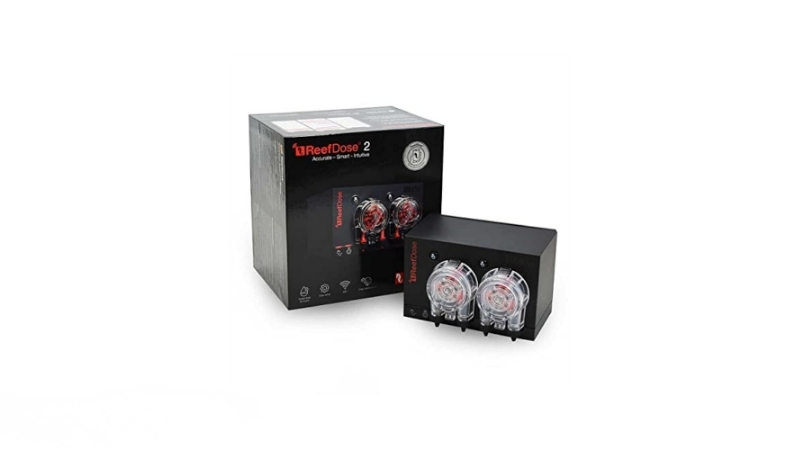
Quick answer: For most people in 2026, the best wireless dosing pump with app control is the Red Sea ReefDose 2 — our #1 rated choice. See the full ranked comparison, alternatives and buying advice below.
How to Choose a Wireless Dosing Pump
Judge an app-controlled doser on four points: whether it runs on its own or needs a controller, how many heads it has, the difference between its daily dose range and its speed, and how long it can run. Wireless control is a feature, not a substitute for accuracy.
Controller Dependency
The first question is whether the pump is truly standalone. The Kamoer X1 PRO T and Red Sea ReefDose 2 run on their own apps, while the Neptune DOS QD requires an A2 or A3 Apex to work, so it is not a standalone doser despite its app integration.
If you already own an Apex, that dependency is a strength; if not, it is an added cost. Decide whether you want a self-contained wireless pump or a component of a larger controller ecosystem before comparing prices, since that choice shapes everything else. Ecosystem lock-in is a long-term cost, so weigh app support, firmware updates, and replacement-part availability, all of which vary by brand over a product’s life.
Heads
Head count sets how many liquids one pump can dose. The Red Sea ReefDose 2 and Neptune DOS QD each have two heads, enough for a two-part program, while the Kamoer X1 PRO T is a single-head unit best paired for one fluid or expanded later.
Two heads in one body simplify a calcium-and-alkalinity routine and keep the wiring tidy. A single-head pump is cheaper and flexible, but a full two-part setup then needs a second unit, so factor that into the real cost before buying. Two single-head Kamoer units, for example, can approach the price of one two-head doser once you buy both, so the head math matters.
Dose Range Vs Speed
Read daily range and speed as separate numbers. The ReefDose 2 covers 0.2 to 1000 mL per day per head, which is a per-day dosing range, not a per-minute figure, and it moves liquid at selectable 15, 30, or 45 mL/min speeds.
Confusing the two leads to wrong expectations, so match the daily range to your dose and the speed to how quickly you want it delivered. The DOS QD spans 0.1 to 250 mL/min, a rate figure, so compare like with like rather than mixing per-day and per-minute values.
Duty Cycle
Duty cycle governs how much the pump can run. The EcoTech Versa VX-1 is rated for continuous operation up to 200 mL/min, while dosing pumps aimed at additives expect short, repeated daily shots rather than nonstop running through the day.
For two-part dosing you want many small doses, so a doser rated for frequent short cycles suits the job. Tubing wears on any peristaltic pump, so plan to replace it periodically and recalibrate to keep the dose accurate over the months. Replacement tubing is a modest but real recurring cost, and reef dosers like these usually see their steepest discounts during Prime Day and Black Friday.
Top Picks
These four wireless dosers cover two-part convenience, single-head value, continuous high-volume work, and Apex integration. Prices are retailer snapshots as of 09/2026 and drop during Prime Day and Black Friday. Judge them on accuracy and range, not on app features alone.
| Product | Best For | Key Spec | Watch Out For |
|---|---|---|---|
| Red Sea ReefDose 2 | Best overall two-part | 2 heads; 0.2 to 1000 mL/day/head; ±0.05mL; ~$289 | Daily range is per day, not per minute |
| Kamoer X1 PRO T | Best value | 1 head; within ±2%; Wi-Fi; over 70mL/min; ~under $200 | Single head; two-part needs a second unit |
| EcoTech Versa VX-1 | Best for continuous/high volume | 6µL/min to 200 mL/min continuous; ~under $250 | 300 mL/min is volumetric, not continuous |
| Neptune DOS QD | Best for Apex ecosystems | 2 heads; 0.1 to 250 mL/min; ~under $400 | Requires A2/A3 Apex, not standalone |
Red Sea ReefDose 2
The Red Sea ReefDose 2 is the best overall wireless pick for two-part dosing at about $289 as of 09/2026, with two heads, a stated ±0.05mL resolution, and a 0.2 to 1000 mL per day per head range. It runs on Red Sea’s ReefBeat app without a separate controller.
Remember that per-day range is a daily figure, not a speed; the pump itself moves at 15, 30, or 45 mL/min. Its accuracy specification is measured under Red Sea’s conditions, so verify with calibration, and budget for tubing replacement over time as a recurring cost. Over a year, tubing and additives outweigh the pump’s purchase price, so factor consumables into the true cost of ownership.
Kamoer X1 PRO T
The Kamoer X1 PRO T is the value pick at about $175, a single-head Wi-Fi doser rated within ±2% with a flow above 70 mL/min. It brings app scheduling at the lowest entry price of the four units here.
With one head, a full two-part program needs a second unit, so the effective cost doubles for calcium and alkalinity together. Its accuracy figure uses the maker’s test conditions, so calibrate after install and replace tubing as it wears.
EcoTech Versa VX-1
The EcoTech Versa VX-1 suits continuous or high-volume work at about $250, spanning 6µL/min to 200 mL/min continuous, controlled through Mobius. That range covers both fine dosing and larger transfers from one wireless pump.
Its 300 mL/min figure is a volumetric rating, not the continuous speed, so do not treat the larger number as its sustained rate. For simple two-part dosing, a dedicated two-head doser is often a tidier fit than a single high-range pump.
Neptune DOS QD
The Neptune DOS QD is the pick for Apex owners at about $375, a two-head pump spanning 0.1 to 250 mL/min. Within the Apex app it schedules alongside your other Neptune hardware for one unified system.
It requires an A2 or A3 Apex to operate, so it is not standalone and adds cost without one. Its rate figure is per minute, so compare it against other rate specs, not against a per-day dosing range.
Frequently Asked Questions
Buyers ask whether these pumps work without a controller, whether one unit handles two-part, how max flow relates to accuracy, and whether they can run continuously. The standalone answer depends on the specific model.
Can a Wireless Doser Work Without a Controller?
Some can. The Kamoer X1 PRO T and Red Sea ReefDose 2 run standalone on their own apps, while the Neptune DOS QD requires an A2 or A3 Apex to function at all.
If you want one self-contained device, choose a standalone unit; if you run an Apex, the DOS integrates tightly. Decide by the ecosystem you plan to keep, not by the app screenshots.
Can One Pump Handle a Two-Part Program?
A two-head pump can. The Red Sea ReefDose 2 and Neptune DOS QD each have two heads, enough for calcium and alkalinity from a single unit.
A single-head pump like the Kamoer X1 PRO T needs a second unit for the other part, so budget accordingly. Match head count to the number of liquids you dose.
Does Higher Max Flow Mean Better Accuracy?
No. Maximum flow and dosing accuracy are different specifications, and a faster pump is not automatically more precise at small volumes. The Versa’s 200 mL/min continuous rate says nothing about its low-volume accuracy.
Stated accuracy claims also use different test conditions between brands, so they are not directly comparable. Calibrate your own pump rather than trusting a headline flow or a cross-brand accuracy number.
Can These Pumps Run Continuously?
The EcoTech Versa VX-1 is rated for continuous operation up to 200 mL/min, while additive-focused dosers expect short, repeated daily shots rather than nonstop running.
For two-part dosing you rarely need continuous flow; several small doses keep parameters steadier. Match the duty rating to how you actually dose across the day. Frequent short cycles are also gentler on tubing than long continuous runs, which helps a doser hold calibration longer.
Final Thoughts
The best wireless dosing pump with app control is the one whose head count, range, and ecosystem fit your routine, with accuracy you confirm by calibration. The Red Sea ReefDose 2 covers most two-part setups standalone at about $289 as of 09/2026, the Kamoer X1 PRO T wins on value, and the Neptune DOS QD suits Apex systems. Read daily range and speed as separate numbers.
As an Amazon Associate we earn from qualifying purchases at no extra cost to you. Prices and availability are accurate as of the date shown and are subject to change.
Ready to decide? Our #1 pick for 2026 is the Red Sea ReefDose 2.
Live price & availability on Amazon.
Related Reviews & Guides



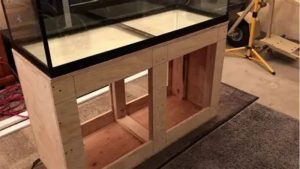
Best 75 Gallon Aquarium Kit With a Stand Included: Top Smart
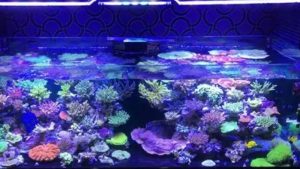
Best Reef LED Light for a 48 Inch Tank: Top Smart Picks