Last Updated: November 10, 2026
If you are learning to quilt, the right first machine is not the one with the most stitches. Quilting asks for a few specific things: a wide, flat table that supports a bulky quilt sandwich, a presser foot set that includes a quarter-inch piecing foot and a walking foot, steady speed control, and a straight stitch that stays even through several layers. A machine with 180 decorative stitches and a cramped bed will frustrate you faster than a simpler machine with a good extension table.
This guide looks at seven beginner-friendly sewing and quilting machines, most from Brother, ranging from a 27-stitch portable to computerized models with LCD screens and 185 built-in stitches. It is written for someone buying a first quilting machine in 2026 who wants to understand what each feature means in practice. We judge only from the details in each title, flag where a listing is vague, and point out which machines really suit quilting and which are general sewing machines.
Quick Picks

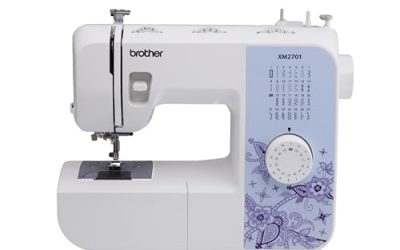
Brother Sewing Machine, XM2701, Portable Sewing Machine, 27 Stitches | Easy sewing machine with 6 sewing feet, auto needle threader, and free arm for cuffs, sleeves, and pant legs
Included for '7 Best Quilting Sewing Machines for Beginners (November 2026)' as a representative consumer electronics in this roundup; selection reflects the product set returned for this topic.
View on Amazon
Brother XR3774 Sewing and Quilting Machine 37 Stitches | 37 Built-in Stitches, Wide Table, 8 Included Sewing Feet
Included for '7 Best Quilting Sewing Machines for Beginners (November 2026)' as a representative consumer electronics in this roundup; selection reflects the product set returned for this topic.
View on Amazon
Brother CS7000X Sewing and Quilting Machine LCD Display | 70 Built-in Stitches, LCD Display, Wide Table, 10 Included Feet
Included for '7 Best Quilting Sewing Machines for Beginners (November 2026)' as a representative consumer electronics in this roundup; selection reflects the product set returned for this topic.
View on Amazon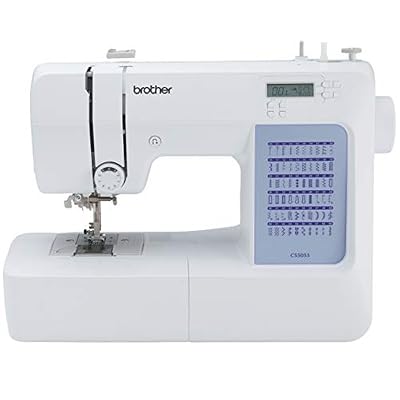
Brother CS5055 Computerized Sewing Machine with LCD Display
Included for '7 Best Quilting Sewing Machines for Beginners (November 2026)' as a representative consumer electronics in this roundup; selection reflects the product set returned for this topic.
View on Amazon
Brother XR9550 Computerized Sewing and Quilting Machine 165 Stitches | 165 Built-in Stitches, LCD Display, Wide Table, 8 Included Presser Feet
Included for '7 Best Quilting Sewing Machines for Beginners (November 2026)' as a representative consumer electronics in this roundup; selection reflects the product set returned for this topic.
View on Amazon
Sewing and Quilting Machine with 38 Built in Stitch, Lightweight Portable Sewing Machine DIY Quilting Sewing Machine for Home Clothes Beginners Adults 4 Step Buttonhole
Included for '7 Best Quilting Sewing Machines for Beginners (November 2026)' as a representative consumer electronics in this roundup; selection reflects the product set returned for this topic.
View on Amazon
Brother SE700 Combo Embroidery & Sewing Machine with 4 Embroidery Hoops, Embroidery Thread Set & Accessories
Included for '7 Best Quilting Sewing Machines for Beginners (November 2026)' as a representative consumer electronics in this roundup; selection reflects the product set returned for this topic.
View on Amazon| Product | Best for | Key spec from the title |
|---|---|---|
| Brother XM2701 | Simple, portable starter | 27 stitches, 6 sewing feet, auto needle threader, free arm |
| Brother XR3774 | First quilt projects | 37 stitches, wide table, 8 sewing feet |
| Brother CS7000X | Step up with a display | 70 stitches, LCD display, wide table, 10 feet |
| Brother CS5055 | Computerized basics | Computerized, LCD display |
| Brother XR9550 | Variety and growth | 165 stitches, LCD, wide table, 8 presser feet |
| 38-Stitch Sewing and Quilting Machine | Lightweight home use | 38 built-in stitches, lightweight, portable |
| Brother HC1850 | Feature-rich beginner | 185 stitches, LCD display, 8 included feet |
How to Choose
A wide table matters more than stitch count
The extension table, listed as a wide table on several of these machines, supports the weight of a quilt as it feeds under the needle. Without it, the quilt drags and distorts your stitching. Look for a table that fits snugly against the machine bed, and remember that the free arm for sleeves and cuffs is a garment feature, not a quilting one. A machine without a wide table can still piece small blocks, but large quilts get awkward quickly.
Feet and accessories
Count the feet and check what they are, since the number matters less than the right ones. A quarter-inch foot makes accurate piecing easy, a walking foot feeds multiple layers evenly, and a free-motion foot opens the door to stipple quilting later. Titles listing six, eight, or ten feet suggest variety, but confirm on the listing which ones are included. Ignore decorative extras you will not use and prioritize the quilting basics.
Mechanical versus computerized
Mechanical machines use dials and are simple, durable, and usually lower cost. Computerized machines with LCD screens select stitches electronically, adjust length and width automatically, and often include a needle-down option that helps with pivoting. Computerized models are friendlier for beginners who want guidance, but they have more electronics that can fail. If you prefer a no-nonsense approach, a mechanical model may feel better. If you like seeing settings on a display, choose computerized.
Speed control, threading, and weight
An auto needle threader saves frustration, a speed slider helps you sew slowly and precisely, and a drop-in bobbin makes it easy to check thread. Portable machines are lightweight, but heavier machines vibrate less on a table and handle thick quilt layers better. Quilting machines tend to cost more because of these features, while budget models cut corners on motor power and stability. Ignore stitch counts above what you will realistically use; most quilters rely on a handful of stitches.
Think about where you will sew, too. A machine that lives on a dining table and gets put away after every session benefits from a carry handle and modest weight, while a dedicated sewing nook can host a larger, steadier machine. Good lighting, a comfortable chair, and a firm table matter nearly as much as the machine itself when you are learning. A table at elbow height lets your shoulders relax during long piecing sessions, and a small side table beside the machine gives the quilt a place to rest instead of pulling on the needle.
Do not forget the small supplies that decide how a quilt turns out. Quilting needles, sized for several layers, sharp rotary cutters, a self-healing mat, and cotton thread in a weight that matches your fabric all matter as much as the machine. Many beginners blame the machine for skipped stitches that actually come from a dull or wrong-size needle. Budget for a few extra needles and a spare bobbin set, and read the manual for the recommended thread weight before your first seam.
The 7 Best Options
Brother XM2701 Sewing Machine
The XM2701 is a portable machine with 27 stitches, six sewing feet, an auto needle threader, and a free arm. It is the simplest and most affordable-feeling entry in the group, aimed at beginners learning basic sewing who might add small quilting projects like table runners and placemats.
- Strength: auto needle threader and six feet cover the basics.
- Strength: portable size suits small spaces.
- Trade-off: the title does not mention a wide table, so large quilts will be awkward.
Skip it if your goal is full-size bed quilts.
Brother XR3774 Sewing and Quilting Machine
The XR3774 lists 37 built-in stitches, a wide table, and eight included sewing feet, and it is described as a sewing and quilting machine. The wide table gives it a real advantage for beginners who want to try piecing and quilting a lap quilt without fighting the fabric.
- Strength: wide table supports quilt layers.
- Strength: eight feet provide room to grow.
- Trade-off: it is a mechanical-style entry, so there is no LCD guidance.
Skip it if you want an LCD screen for stitch selection.
Brother CS7000X Sewing and Quilting Machine
The CS7000X adds an LCD display to a 70-stitch lineup with a wide table and ten included feet. The display helps beginners choose stitches and see settings, which can lower the learning curve. Ten feet means you likely get more specialty options than the lower-cost models.
- Strength: LCD display makes stitch selection visual.
- Strength: ten feet provide variety for piecing and finishing.
- Trade-off: more features mean more to learn at the start.
Skip it if you want the simplest possible controls.
Brother CS5055 Computerized Sewing Machine
The CS5055 is a computerized machine with an LCD display. The title offers few other details, so confirm on the listing the stitch count, feet, and whether a wide table is included before treating it as a quilting machine. It appeals to beginners who want computerized controls without moving to the top of the range.
- Strength: computerized controls simplify stitch selection.
- Strength: LCD display shows settings clearly.
- Trade-off: the title does not confirm quilting features like a wide table.
Skip it if quilting-specific accessories are a requirement.
Brother XR9550 Computerized Sewing and Quilting Machine
The XR9550 offers 165 built-in stitches, an LCD display, a wide table, and eight included presser feet. It targets beginners who want a machine they will not outgrow quickly, with plenty of decorative and utility stitches for projects beyond quilting.
- Strength: large stitch library supports many project types.
- Strength: wide table and LCD suit quilting from day one.
- Trade-off: many stitches can overwhelm a total beginner.
Skip it if you only plan to piece simple blocks.
38-Stitch Lightweight Sewing and Quilting Machine
This unbranded-style listing describes a lightweight, portable sewing and quilting machine with 38 built-in stitches, aimed at DIY clothes and beginner projects. The brand is not clear in the title, so confirm on the listing who makes it, what accessories are included, and what support is offered.
- Strength: lightweight design is easy to move and store.
- Strength: 38 stitches cover everyday sewing needs.
- Trade-off: the title gives no detail on a wide table or quilting feet.
Skip it if you want a recognized brand and clear accessory lists.
Brother HC1850 Sewing and Quilting Machine
The HC1850 lists 185 built-in stitches, an LCD display, and eight included feet. It is the feature-rich end of the group, suited to beginners who expect to keep quilting and want options for decorative stitching and finishing. Confirm on the listing whether a wide table is included, since the title does not say.
- Strength: large stitch selection and LCD display.
- Strength: eight feet cover many techniques.
- Trade-off: the feature count is more than many first projects need.
Skip it if you want a stripped-down starter machine.
Which One Fits Your Situation
You want to try quilting without a big commitment
The Brother XR3774 offers a wide table and eight feet at an approachable feature level, which suits a first quilt.
You like clear screens and guidance
Pick the CS7000X or XR9550, both of which pair an LCD display with a wide table and a good set of feet.
You mostly sew clothes and want portability
The XM2701 is compact and simple, with an auto needle threader and a free arm for cuffs and sleeves.
You expect to grow into decorative stitching
The HC1850 and XR9550 offer the largest stitch libraries, so you are unlikely to outgrow them soon.
Two listings in the original set were left out on purpose. A mini electric machine with only twelve stitches and a small embroidery combo machine are both aimed at different jobs, since one is too small for quilt layers and the other is built around embroidery hoops. If embroidery interests you later, it makes sense to learn quilting first on a general-purpose machine and add a specialty one afterward. As always, confirm on the listing what is included in the box, since accessories vary between sellers.
Common Mistakes
- Choosing by stitch count instead of table size and feet.
- Assuming every sewing machine is suited to quilting layers.
- Skipping a walking foot and then fighting shifting fabric.
- Buying a mini or toy machine for large projects.
- Ignoring the weight and stability of the machine on a lightweight table.
Related guides
- Patio Furniture Sets With Fire Pit Table
- Spotting Scopes For Long Range Shooting
- Popover Pan For Light And Airy Popovers
Frequently Asked Questions
Can any sewing machine quilt?
Most can piece small blocks, but quilting large projects needs a wide table, a walking foot, and enough motor strength. Check these before buying, and plan to add a walking foot if one is not included. A machine marketed only for light garment sewing may struggle with thick seams, skip stitches, or overheat when pushed through batting, so look for quilting in the title and confirm the included accessories on the listing.
Do I need a computerized machine?
No. Mechanical machines work well and are simple. Computerized models add convenience, like automatic settings and needle-down options.
What is a walking foot?
It feeds the top and bottom layers evenly so they do not shift. It is very helpful when sewing quilt sandwiches and binding.
How many stitches do I need?
Fewer than the box suggests. A straight stitch, zigzag, and a few utility stitches cover most quilting work. Extra decorative stitches are fun for baby quilts and borders, but they rarely change how well you piece or quilt. Spend your attention on the table, the feet, and a stable, smooth-running motor instead.

Garibaldi Cocktail Recipe: Campari and Fluffy Orange Juice
Spinach Artichoke Dip Recipe: Hot, Cheesy and Baked in One Dish