Last Updated: October 21, 2026
A tank that swings in temperature loses fish fast, so the best pH and ORP monitor for monitoring temperature is judged on whether temperature is a built-in input, whether pH and ORP read alongside it, and how the unit turns a temperature reading into an alert or a shutoff when it matters.
As an Amazon Associate we earn from qualifying purchases.
By David Nguyen
How to Choose a pH and ORP Monitor for Temperature
Temperature is the parameter most likely to harm livestock quickly, so weigh these controllers by how they handle it. Confirm temperature is an included input, check that pH and ORP read simultaneously beside it, and see how each turns a temperature event into an alert or an actual control action.
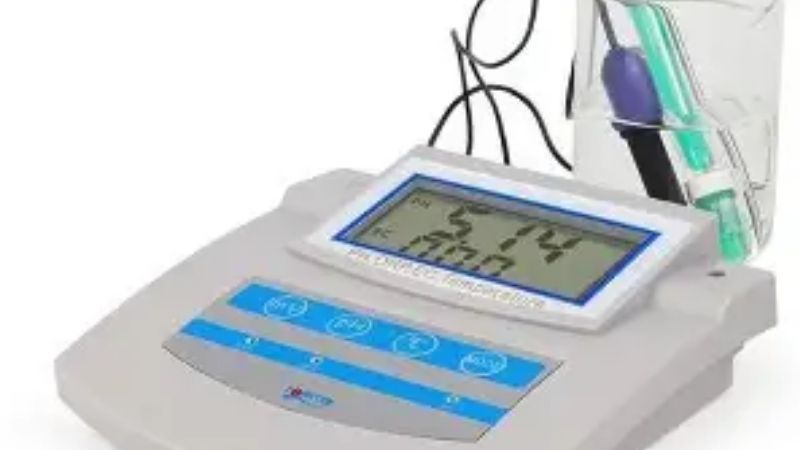
Temperature Input Included
Every unit here reads temperature, but the coverage differs in useful ways. The Red Sea ReefControl Pro Deluxe carries two temperature-reporting probes, one on its pH/temp sensor and one on its salinity/temp sensor, so it watches temperature at two points rather than a single spot in the tank.
The HYDROS Control X4, GHL ProfiLux 4 and Neptune A3 Apex Pro each include temperature alongside pH and ORP as well. Confirm the temperature probe ships in the bundle you buy, since a monitor that reads chemistry but not heat misses the fastest-moving risk a display tank normally faces.
pH and ORP Simultaneous
Temperature is most useful read next to pH and ORP, not in isolation. The Apex Pro and HYDROS each expose two pH/ORP ports, and the GHL set reads pH 3–10.5 with redox and conductivity, so temperature sits within a full water-quality picture rather than on a standalone gauge by itself.
The Red Sea Deluxe covers pH, salinity and ORP alongside its temperature channels, giving broad context for a reading. Confirm the ORP channel is present where you expect it, because a temperature alarm means more when you can see whether pH and ORP moved at the same moment as the heat.
Temperature Alert and Control Path
A temperature reading matters once it can trigger something. The Apex Pro wires temperature to the EB832’s eight outlets, so a heater or fan can switch automatically, and the HYDROS Starter’s four WiFi outlets can act on a temperature rule within its app rather than only displaying the number.
The Red Sea Deluxe is monitoring-first, so turning a temperature alarm into a shutoff needs the Power 8 at about $319 extra as of 09/2026, roughly $1,018 configured. Decide whether you need action or only an alert, since that choice sets whether switching hardware belongs in your budget from the start.
Failure and Edge Cases
Beware cross-brand accuracy claims when comparing units. Red Sea cites about ±0.05°C and GHL about 0.1°C, but these were not established under identical conditions, so it is wrong to call one twice as accurate as the other. Treat both as tight enough for aquarium use rather than a deciding spec.
Plan for the SKU trap too: the standard A3 Apex has one pH port and no ORP probe, weakening the simultaneous picture around a temperature reading. Confirm the Pro, and verify each temperature probe’s placement, since one sensor sitting in a dead spot can misread the whole tank’s true heat.
Top Picks
These four systems are ranked for temperature by how well they read it, place it beside pH and ORP, and act on it. Each lists verified specs, a relative price tier, and the drawback that matters most when a heat swing is the risk you are guarding against overnight or while away.
| Product | Best For | Key Spec | Watch Out For |
|---|---|---|---|
| Red Sea ReefControl Pro Deluxe | Best overall | Two temp probes; pH, salinity, ORP, leak | AC switching needs Power 8 (extra) |
| HYDROS Control X4 + ORP | Best value | 2 pH/ORP ports; temp; 4 WiFi outlets | ORP probe is a separate add-on |
| GHL ProfiLux 4 Mega-Set 6E | Best for multi-parameter | pH 3–10.5; temp; redox, conductivity | Powerbar is separate hardware |
| Neptune A3 Apex Pro | Best for automation | Temp + leak + level; 8 outlets | Standard A3 differs from the Pro |
Red Sea ReefControl Pro Deluxe
The Red Sea ReefControl Pro Deluxe is the temperature overall pick because it reports temperature from two probes — pH/temp and salinity/temp — while also covering ORP and leak. Two measurement points give a fuller read on heat than a single sensor tucked into one corner of the display.
At about $699 at BRS as of 09/2026 it is monitoring-first, so acting on a temperature alarm adds the Power 8 near $319 for roughly $1,018 configured. Budget the switching hardware if you want a heater or fan to react, rather than assuming the base unit can cut power to a device itself.
HYDROS Control X4 + ORP
The HYDROS Control X4 + ORP is the value temperature choice, reading temperature alongside two pH/ORP ports and bundling four WiFi AC outlets that can act on a heat rule. It puts temperature inside a simultaneous pH and ORP picture without a large upfront outlay for a mid-sized tank.
Configured with its ORP probe it reaches about $600 as of 09/2026, up from the roughly $500 Starter. The ORP add-on is the catch, so budget it if you want the second channel logging beside temperature rather than assuming the Starter already includes that probe in the box.
GHL ProfiLux 4 Mega-Set 6E
The GHL ProfiLux 4 Mega-Set 6E suits keepers who want temperature within the widest parameter set. It reads pH 3–10.5 and ORP with temperature, redox and conductivity probes and a six-socket Powerbar, so heat sits beside more channels than any other unit here offers in one dashboard.
Expect around $1,000 at GHL USA as of 09/2026, with the Powerbar as separate hardware, so the head-unit footprint understates the install. Its cited temperature figure was not measured against the others’ conditions, so weigh breadth and switching rather than a single headline accuracy number.
Neptune A3 Apex Pro
The Neptune A3 Apex Pro is the automation temperature pick, pairing temperature with leak, a 15-inch level sensor and two pH/ORP ports, all wired to the EB832’s eight outlets. It is built to switch a heater or fan on a temperature rule and alert you at the same time through push and email.
At about $1,100 at BRS or under $1,200 direct as of 09/2026, it is the priciest but most action-ready here. Confirm the Pro, since the standard A3 drops the second pH port and the ORP probe, thinning the water-quality context around each temperature reading the controller logs.
Frequently Asked Questions
Temperature-focused buyers ask a familiar set of questions about a pH and ORP monitor before buying. Each answer leads with the practical call, then the condition that changes it, so you can match temperature coverage and response to the real thermal risk on your tank and its livestock.
What spec should decide this purchase?
Whether temperature is a built-in input should decide it, because heat harms livestock faster than a drifting pH or ORP number. Choose the unit that reads temperature reliably and places it beside the other parameters, rather than the one with the longest spec list you will rarely consult.
After the input, weigh the alert and control path carefully. A controller that can switch a heater or fan protects the tank more than one that only displays the number, and the configured price should include any switching hardware that the response actually requires to work as intended.
Which numbers are hard facts and which are heuristics?
Included probes, outlet counts and September 2026 prices are hard facts. The two-probe temperature coverage on the Red Sea is a concrete design point, while the cited accuracy figures are not comparable across brands because they were not measured under the same conditions in the first place.
So treat ±0.05°C and 0.1°C as broadly adequate rather than a ranking, and phrase configured costs as current snapshots. The interpretive move is matching probe placement to your tank, since a sensor in a poorly mixed spot can misreport the temperature you are relying on to keep fish safe.
Is the highest headline number always better?
No. A tighter quoted accuracy or an extra parameter only helps if it reflects real conditions and you actually use it, and figures gathered differently do not compare across brands. The best pick reads temperature dependably beside pH and ORP at a cost you can justify for the tank you keep.
That is why the two-probe Red Sea can serve temperature better than a unit boasting a single tighter number, and why an eight-outlet Apex earns its price only if you automate. Match coverage and response to your thermal risk, not to the boldest accuracy figure printed on the box.
When might the reader not need this?
If temperature is the only parameter you need to alarm or control, a standalone temperature controller may be the more direct and cheaper solution. A full pH and ORP system adds channels and cost that a purely thermal need does not require to keep a simple tank safe day to day.
This system makes sense when you want temperature logged and acted on within a simultaneous pH and ORP picture. If that broader context is not the goal, spend on a dedicated heater controller and keep the water-chemistry monitoring separate and simpler than a full multi-parameter platform.
Final Thoughts
For thermal safety, the best pH and ORP monitor for monitoring temperature treats temperature as a first-class input, read beside pH and ORP, and can turn a swing into an alert or a shutoff. Weigh configured price with switching hardware, and match probe placement to the tank rather than a headline accuracy figure.
Best Tech 2 Scanner in 2026: Top Picks Compared
Best Hearing Aids Under $1,000