Last Updated: October 21, 2026
For a first controller, the best pH and ORP monitor for beginners is the one you can realistically set up and calibrate on your own: simple to install, complete on pH and ORP, light on calibration burden, and affordable to expand later without a costly rebuild down the line.
As an Amazon Associate we earn from qualifying purchases.
By David Nguyen
How to Choose a pH and ORP Monitor for Beginners
A first controller should lower the barrier to entry, not raise it, so weigh these units by real beginner burden rather than raw capability. Rank setup simplicity first, confirm pH and ORP are both covered, gauge the calibration workload, and check what expanding later will cost before you buy.
Setup Simplicity
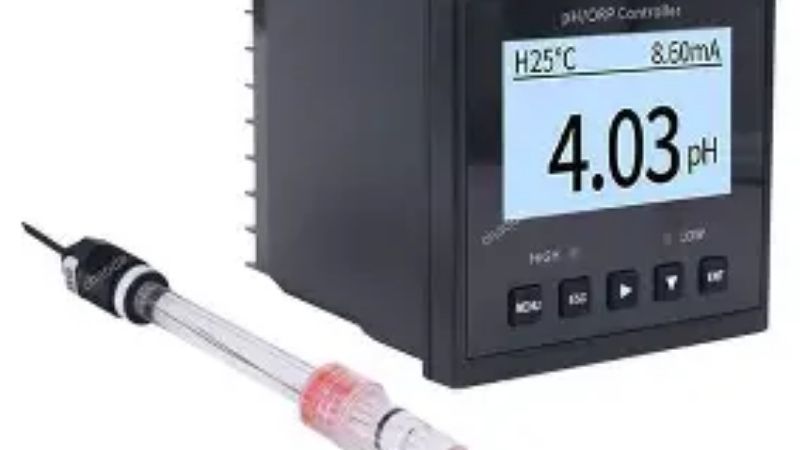
Simplicity is about what happens between the box and a working reading on the wall. The Milwaukee MC125 PRO ships with both pH and ORP probes and two outputs, so a beginner can wire a heater or doser without first learning an app ecosystem or configuring a set of cloud rules.
The HYDROS Control X4 leans on a guided app with four WiFi outlets in the Starter, which many first-timers find approachable, while the Apex and GHL platforms trade simplicity for depth. Pick the interface you will actually feel comfortable configuring on day one, not the most powerful one.
pH and ORP Completeness
Completeness means both parameters read together from the very start. The Milwaukee includes both probes in the box, and the HYDROS covers two pH/ORP ports with the ORP probe added separately, so confirm the second channel is present and paid for before you count on it in a routine.
Beginners do not automatically need ORP on day one; pH and temperature stability is often the more direct starting point. If ORP has no defined role yet, a simpler pH-and-temperature setup can teach the basics first, and you can add the second parameter once a real use for it appears.
Calibration Burden
Calibration is the recurring chore that trips up new owners more than any spec. HYDROS documents a specific pH-probe break-in and early recalibration workflow, which is helpful guidance, but it is HYDROS’s schedule — do not assume the same intervals apply to a Milwaukee, Red Sea or GHL probe.
Every probe drifts and eventually needs replacement, so factor calibration fluid and spare probes into the real cost of ownership. A cheaper controller with pricier or shorter-lived probes can cost more over a year than a mid-priced unit with affordable, longer-lasting sensors and simple routines.
Expansion Cost
Think past the first month to what growth actually costs. The HYDROS configured with ORP runs about $600 as of 09/2026, while the Milwaukee is around $322 with both probes included — roughly 45% below the HYDROS build on that basis, leaving budget for a good heater or doser.
Broader platforms cost more to grow into: the Red Sea Deluxe near $699 adds AC switching only with the Power 8, and the Apex Pro sits near under $1,100. For a beginner, a controller that expands in small, affordable steps usually beats one that demands a large upgrade to unlock the next feature.
Top Picks
These four pH and ORP monitors are ranked for newcomers by how easy they are to set up and live with first, then by room to grow later. Each lists verified specs, a relative price tier, and the one drawback a first-time owner should really know about before committing any money to a build.
| Product | Best For | Key Spec | Watch Out For |
|---|---|---|---|
| HYDROS Control X4 + ORP | Best overall for beginners | 2 pH/ORP ports; 4 WiFi outlets; guided app | ORP probe is a separate add-on |
| Milwaukee MC125 PRO | Best value | Both probes included; pH 0–14; 2 outputs | Standalone; no app ecosystem |
| Red Sea ReefControl Pro Deluxe | Best for room to grow | pH, salinity, ORP, leak; up to 7 sensors | AC switching needs Power 8 (extra) |
| Neptune A3 Apex Pro | Best for future automation | 2 ports; leak + level; 8 outlets | Deeper setup; higher entry cost |
HYDROS Control X4 + ORP
The HYDROS Control X4 + ORP is the beginner overall pick because its guided app and four WiFi AC outlets in the Starter make first setup approachable, while two pH/ORP ports and included pH and temperature cover the core readings a new owner needs to start monitoring right away.
Configured with the ORP probe it reaches about $600 as of 09/2026, up from the roughly $500 Starter. The catch is that ORP is an add-on, so a beginner expecting both channels in one box should budget the probe rather than assume the Starter quietly includes it in the price.
Milwaukee MC125 PRO
The Milwaukee MC125 PRO is the value choice and, for many beginners, the simplest of the four, since both pH and ORP probes ship in the box, it reads pH 0–14 with ORP to ±1000 mV, and two dedicated outputs switch a heater or doser without an app or account to set up and maintain over time.
At around $322 direct as of 09/2026 it is roughly 45% below the HYDROS build, a real saving on a first system. It is standalone with no phone platform, and pH resolution differs across the official page, so rely on its included probes rather than treating a stated precision as a selling point.
Red Sea ReefControl Pro Deluxe
The Red Sea ReefControl Pro Deluxe is the grow-into option, bundling pH/temp, salinity/temp, ORP and leak with room for up to seven sensors via a four-port expander. A beginner planning a reef can start here and add channels over time without switching to a different platform later.
Near $699 at BRS as of 09/2026, it is monitoring-first, so switching equipment later means adding the Power 8 at about $319. For a newcomer, that staged cost is worth understanding up front so the affordable-looking entry price does not turn into an unwelcome surprise down the road.
Neptune A3 Apex Pro
The Neptune A3 Apex Pro is the future-automation pick, with two pH/ORP ports, leak, a 15-inch level sensor and temperature wired to the EB832’s eight outlets. It is more than a beginner needs on day one, but it leaves very little for a growing hobbyist to eventually outgrow.
At about $1,100 at BRS or under $1,200 direct as of 09/2026, the trade-off is a deeper setup and a much higher entry cost for a first tank. Confirm the Pro rather than the standard A3, which drops the second pH port and the ORP probe a growing beginner may well want to add later on.
Frequently Asked Questions
New owners ask a familiar set of questions before choosing a pH and ORP monitor for a first tank. Each answer leads with the practical call, then the condition that changes it, so a first-timer can weigh ease and cost against real needs instead of a spec race between brands.
What spec should decide this purchase?
Setup simplicity should decide it for a beginner, because a controller you can install and calibrate is worth far more than one with features you cannot yet use. Choose the interface and box contents you are comfortable with before chasing the longest parameter list on the shelf.
After ease, weigh completeness, calibration burden and expansion cost together as one picture. Both probes in the box and a clear calibration routine matter more day to day than a headline figure, and the configured price ranges from about $322 to over $1,000 across these four picks.
Which numbers are hard facts and which are heuristics?
Probe ranges such as pH 0–14, port and outlet counts, and September 2026 prices are hard facts. The roughly 45% gap between the Milwaukee and HYDROS builds is real but tied to those prices, so read it as a current snapshot rather than a permanent figure fixed for all time.
Calibration timing is where guidance turns brand-specific rather than universal. HYDROS’s documented break-in schedule is its own, so a beginner should follow the routine for their exact probe rather than applying one maker’s interval to every sensor sitting on the tank.
Is the highest headline number always better?
No. For a first controller, more parameters or outlets can add confusion and cost without adding value, and specs measured differently do not compare across brands. The best beginner pick is the one you will actually set up correctly and keep properly calibrated over time.
That is why the probes-included Milwaukee can beat pricier platforms for a newcomer: it does the core job simply for about $322 as of 09/2026, roughly 45% below the HYDROS build. Extra channels on a $700 or $1,100 controller only help once a beginner has a concrete plan that genuinely uses them.
When might a beginner not need this?
Beginners do not automatically need ORP on day one at all. If the goal is learning stable pH and temperature, a simpler monitor covers the fundamentals and costs less, letting a new owner build confidence before adding a second parameter and its extra calibration chore.
Add ORP later, once a real use such as ozone or deliberate trend logging appears in the plan. Starting with the essentials keeps a first setup manageable and avoids paying for outlet strips or extra probes that a beginner tank simply will not use during its early months of operation.
Final Thoughts
For a first controller, the best pH and ORP monitor for beginners is one you can set up and calibrate with confidence: simple to install, complete where it counts, light on upkeep, and cheap to grow. Compare configured prices, follow your own probe’s calibration schedule, and skip ORP at first if steady pH is the goal.
Best LED Truck Bed Lights for Night Work & Camping
Best Stud Finders with Built-In Laser Level: Top Picks