Last Updated: October 4, 2026
A buyer searching for the best juice maker machines in 2026 is trying to solve a deceptively specific problem: turning a handful of produce into a glass of juice without spending twenty minutes scrubbing pulp off plastic parts. That friction point — not wattage or brand prestige — is what separates a juicer you reach for every morning from one that collects dust on a shelf. Centrifugal models extract juice fast but shred through fibrous greens, while cold press and masticating units preserve more of what you paid for but demand a little patience.
The eight machines below span roughly $34 to $140, covering both camps. Owner feedback consistently flags three failure modes: clogged feed chutes, foam-heavy output from centrifugal units, and disassembly designs that take longer to clean than they do to juice. We weighed published specs and real-world complaints to sort this list into tiers so you can match the machine to your actual routine, not an idealized one.
As an Amazon Associate we earn from qualifying purchases at no extra cost to you.





Quick Picks
| Product | Best for | Price |
|---|---|---|
| 800W Centrifugal Juicer | Fruiting-only juicing on a tight budget | under $40 |
| Juilist 3″ Wide Mouth Juicer | Speed with a three-speed dial | under $40 |
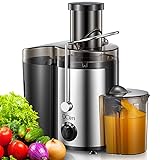
| QCen 500W Centrifugal Juicer | Lowest entry price, occasional use | under $40 |
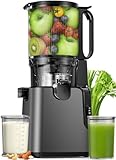
| Cold Press Juicer 5.3″ Chute | Pre-cut produce, high yield | under $100 |
| EanOruus 3-in-1 Cold Press Juicer | Multi-function kitchen flexibility | under $150 |
| 5.8″ 2-in-1 Cold Press Juicer | Whole fruits and vegetables, nut milk | under $150 |
| Godspeeds 6-inch Chute Cold Press Juicer | Wide chute without premium pricing | under $90 |
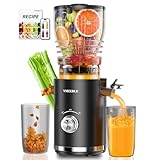
| 5.8″ Cold Press Juicer 300W | BPA-free build, easy cleanup | under $80 |
How We Picked
Four criteria drove these selections. First, feed chute width relative to price: a wider chute means fewer cuts and less prep time, which owners cite as the single biggest workflow difference. Second, cleaning complexity — the number of parts and whether pulp is easy to dislodge from screens or augers. Third, juice yield consistency across fruit types, pulled from owner-reported patterns rather than manufacturer claims. Fourth, durability signals like motor type, housing material, and warranty length as published in product listings.
The 8 Best Juice Maker Machines in 2026
800W Centrifugal Juicer
For someone who juices apples, oranges, and pears most of the week and rarely touches leafy greens, this centrifugal unit gets the job done without ceremony. Owners appreciate the quick extraction cycle and the low cost of entry relative to other 800W machines.
- Pro: 800W motor pulls juice fast from dense fruits, keeping total prep-and-extract time under ten minutes.
- Pro: Wide-mouth feed chute reduces chopping steps for round produce.
- Con: Struggles with soft, fibrous, or leafy items; owners report clogging and low yield on kale or spinach.
Skip this if your routine centers on green juices or wheatgrass — the centrifugal design is not built for that task.
Juilist 3″ Wide Mouth Juicer
The three-speed dial sets this apart from single-speed centrifugal rivals, giving owners finer control when switching between hard apples and softer citrus. The 3-inch wide mouth accommodates halved produce without splitting further. Published specs note a 400W easy-clean mode, which owners describe as helpful for mid-session rinses without full teardown.
- Pro: Three speeds let you throttle down for citrus to reduce foam and bitter pith extraction.
- Pro: 400W easy-clean setting simplifies mid-use maintenance.
- Con: The 3-inch chute is narrower than the other centrifugal picks here, meaning more knife work on larger fruits.
Skip this if you want the widest possible chute at a budget price and are willing to sacrifice speed control for that extra width.
QCen 500W Centrifugal Juicer
For under $40 this is the least expensive machine on the list, and the lower wattage reflects that. It handles firm fruits competently and the extra-wide feed chute keeps prep minimal. Owners buying it as a second unit for travel or a dorm kitchen report it fits the role without expectations.
- Pro: Lowest price point among all eight models, making it a low-risk experiment for casual juicers.
- Pro: Extra-wide feed chute minimizes pre-cutting for round produce.
- Con: The 500W motor stalls on very dense items like beet or frozen fruit chunks, per owner reports.
Skip this if you plan to juice beets, carrots, or anything harder than an apple on a regular basis.
Cold Press Juicer 5.3″ Chute
This masticating unit occupies a middle tier: slower than centrifugal models but significantly higher yield on greens and soft fruit. The 5.3-inch chute is generous for a cold press design, letting owners drop in pre-cut chunks rather than small pieces. High yield is the headline claim, and owner feedback confirms noticeably less wet pulp exiting the machine compared to centrifugal rivals.
- Pro: Cold press auger preserves color and minimizes heat-induced nutrient degradation on greens.
- Pro: Easy-clean design receives consistent praise for reduced part count and accessible screens.
- Con: For under $100 it costs roughly triple the entry-level centrifugal picks, a real hurdle for first-time juicers.
Skip this if your budget caps at fifty dollars or if you refuse to spend extra time on the slower extraction cycle.
EanOruus 3-in-1 Cold Press Juicer
The 3-in-1 designation means this machine also handles tasks beyond juice — owner reviews mention sorbet and other frozen textures. The bright white housing looks clean on a countertop, though that same surface shows stains from turmeric or beet juice over time. Functionally, the cold press mechanism delivers the same yield advantages described above.
- Pro: Multi-function capability replaces the need for a separate sorbet or frozen treat appliance.
- Pro: Cold press extraction produces thick, low-oxidation juice with minimal foam.
- Con: White exterior finishes show food stains readily, requiring wipe-downs after every session to stay presentable.
Skip this if you want a dedicated juicer and have zero interest in sorbet or frozen dessert modes.
5.8″ 2-in-1 Cold Press Juicer
A 5.8-inch chute paired with a 2-in-1 cold press design means this machine handles whole fruits and vegetables without the pre-cutting that narrower models demand. The nut milk capability adds another reason to justify the under-$150 price. Premium Gray housing resists visible staining better than white alternatives on this list.
- Pro: 5.8-inch chute fits most produce whole or in large chunks, cutting prep time sharply.
- Pro: Dual-purpose design covers juice and nut milk without a second appliance.
- Con: For under $150 it is the joint most expensive pick here, a significant commitment for a first masticating juicer.
Skip this if you already own a blender for nut milk or if the budget is the primary constraint.
Godspeeds 6-inch Chute Cold Press Juicer
The widest feed chute in the cold press group at six inches, this machine trims prep time to near-zero for most produce. For under $90 it undercuts the other cold press picks above it while offering comparable functionality. Owners highlight that the large opening fits whole apples and large orange halves with no knife contact.
- Pro: Six-inch chute is the widest on this list, virtually eliminating the pre-cutting step for round fruit.
- Pro: Mid-range cold press price makes it a strong value against $100-plus alternatives.
- Con: Fewer published speed or power specifications compared to pricier competitors, making it harder to gauge raw extraction efficiency before purchase.
Skip this if you need detailed spec transparency for a side-by-side comparison and cannot rely on brand-name motor wattages.
5.8″ Cold Press Juicer 300W
For under $80 this is the most affordable cold press unit listed, with a 300W slow-masticating motor, BPA-free construction, and a 5.8-inch wide feed chute. Owner feedback emphasizes how straightforward the disassembly feels — a common sore point with budget masticating models. High juice yield is reported consistently across fruit types, with notably drier pulp output.
- Pro: BPA-free housing addresses a frequent concern for anyone juicing daily for families or children.
- Pro: Lowest cold press price on the list, making it an accessible entry into masticating juicing.
- Con: The 300W motor runs at a pace noticeably slower than centrifugal models, adding minutes per session.
Skip this if you want speed above all else and will not tolerate the longer extraction cycle inherent to slow masticating designs.
Buying Guide
Feed Chute Width and Prep Time
Chute diameter is the most underappreciated spec in juicing. A 3-inch opening forces you to quarter apples and split oranges; a 5.8- or 6-inch opening swallows them whole. Over dozens of sessions, that difference adds up to real hours saved. Match chute width to the size of produce you buy most often — if you work with pre-cut bags, a narrower chute is fine.
Centrifugal Speed Versus Masticating Yield
Centrifugal juicers (the 500W and 800W models here) spin a blade at high RPM and separate juice through centrifugal force. They are fast but oxidize produce slightly and extract less from soft greens. Masticating or cold press juicers crush and squeeze through an auger at 40-80 RPM, producing higher yield and drier pulp. Choose based on whether speed or yield drives your definition of value.
Cleaning Design and Part Count
Owner complaints across every price tier converge on one theme: cleanup effort. A machine with four removable pieces rinses in ninety seconds; one with nine nested parts with pulp trapped in mesh screens can take ten minutes or more. Look for models specifically marketed with easy-clean language and verify part count in the listing image before committing.
Our Verdict
The top pick is the 5.8-inch Cold Press Juicer for under $80. It combines BPA-free build, a wide feed chute, high yield, and the lowest price among masticating models — a combination no other unit on this list matches at that cost. The best budget pick is the QCen 500W Centrifugal Juicer for under $40, a no-questions machine for fruit-only routines on the tightest budget. The condition under which another product wins: if eliminating prep time entirely is your sole priority and you refuse to touch a knife before juicing, the Godspeeds 6-inch Chute Cold Press Juicer for under $90 edges ahead thanks to its wider opening at a similar price.
FAQ
What is the difference between centrifugal and cold press juicers?
Centrifugal juicers use a high-speed spinning blade and a strainer to separate juice quickly. Cold press (masticating) juicers use a slow-turning auger to crush and squeeze produce. The latter extracts more juice from greens and soft fruit but operates at a slower pace.
Do wide feed chutes actually save time?
Yes, for round or bulky produce like apples, oranges, and pears. A 5.8- to 6-inch chute eliminates the quartering step entirely, while a 3-inch chute still requires cutting. For leafy greens and long items like celery, chute width matters less because those require cutting regardless.
Which juicer is best for leafy greens?
Cold press models consistently outperform centrifugal units on greens because the slow auger squeezes moisture from fiber rather than flinging it. The 5.8-inch Cold Press Juicer for under $80 and the Cold Press Juicer with 5.3-inch chute for under $100 are the most accessible options that deliver that advantage.
How often should I expect to replace juicing parts?
Mesh strainers on centrifugal models wear fastest, typically degrading after one to two years of daily use. Cold press augers and screens last longer — three to five years is common in owner reports. Check whether replacement parts are sold separately before buying, since some budget models do not offer them.
Related Reviews & Guides




6 Best Stands For 50 Gallon Fish Tank 2026

What Size Protein Skimmer for 100 Gallons? Size Guide With Measurements (2026)