Last Updated: November 11, 2026
A dance floor tile kit solves one problem: your living room, garage, or basement floor was never built for a pivot turn, a shuffle-ball-change, or a hundred repetitions of the same combination. Hardwood gets scuffed, carpet grabs shoes, and bare concrete is hard on knees. Snap-together tiles lay a smoother, more forgiving surface over whatever is underneath, and they come apart again when the family needs the room back. That flexibility matters most for renters, who cannot bolt down a sprung floor, and for parents who want a practice area that does not become a permanent fixture of the house.
This guide is for dancers practicing at home, parents setting up a corner for a student, and anyone who needs a portable floor for a party or a small recital. The real decisions are coverage area, thickness, how the surface suits your shoe type, and whether you plan to move the floor often. Starting with 2026 listings, the options below range from a compact practice square to a larger multi-tile kit. Tile counts and square footage are taken from the listed titles, and anything unclear is flagged so you can confirm it on the listing.
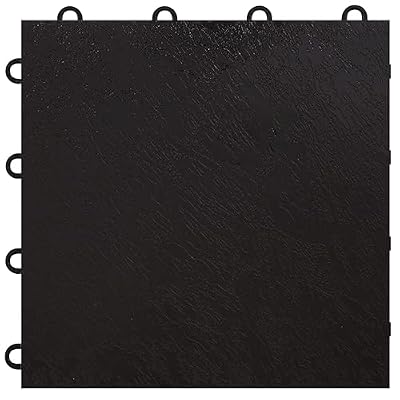
VersaStep by FlooringInc 12 x 12 Inch Interlocking Dance Floor Tiles, Portable Vinyl Dance Floor for Home Practice, 3/8 Inch Thick Snap Together Tap and Ballet Flooring, Black, 52 Tiles, 52 Sq Ft
Included for '5 Best Dance Floor Tiles (November 2026)' because the listing specifies Portable Vinyl Dance Floor for Home Practice and 3/8 Inch Thick Snap Together Tap and Ballet Flooring, details this guide uses to compare options.
View on Amazon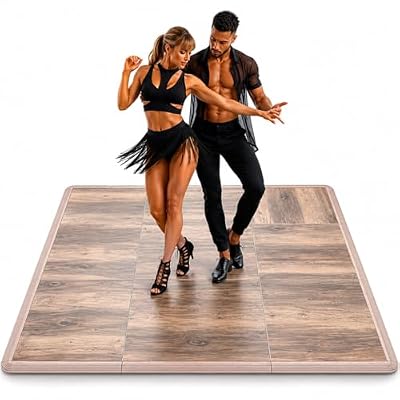
Artan Balance Dance Floor Tiles 5x5 ft -9 Interlocking Dance Floor Tiles for Ballet, Tap, Jazz, and Irish Dance | Portable Dance Tiles for Indoor Dance Flooring – Chocolate
Included for '5 Best Dance Floor Tiles (November 2026)' because the listing specifies Tap and Jazz, details this guide uses to compare options.
View on Amazon
VersaStep by FlooringInc 12 x 12 Inch Interlocking Dance Floor Tiles, Portable Vinyl Dance Floor for Home Practice, 3/8 Inch Thick Snap Together Tap and Ballet Flooring, Oak, 52 Tiles, 52 Sq Ft
Included for '5 Best Dance Floor Tiles (November 2026)' because the listing specifies Portable Vinyl Dance Floor for Home Practice and 3/8 Inch Thick Snap Together Tap and Ballet Flooring, details this guide uses to compare options.
View on Amazon
VEVOR Dance Floor Tiles, 12.4 x 12.4 in 52 Piece Interlocking Dance Flooring, Portable Dance Practice Floor with Cushioned Base (Oak Wood Grain, 52 sq. ft/Box)
Included for '5 Best Dance Floor Tiles (November 2026)' because the listing specifies 12.4 x 12.4 in 52 Piece Interlocking Dance Flooring and 52 sq. ft/Box), details this guide uses to compare options.
View on Amazon
Big Floors Portable Dance Floor, Interlocking Dance Floor Tiles, Lightweight Plastic Modular Kit (5' X 5'), Dark Maple Finish, 45 Piece (25 Sq Ft)
Included for '5 Best Dance Floor Tiles (November 2026)' because the listing specifies Interlocking Dance Floor Tiles and Lightweight Plastic Modular Kit (5' X 5'), details this guide uses to compare options.
View on AmazonQuick Picks
| Product | Best for | Key spec from the title |
|---|---|---|
| VersaStep 12 x 12 vinyl tiles | Tap and general home practice | 3/8 inch thick, snap together |
| Artan Balance dance tiles | Ballet, jazz, and Irish dance | 5 x 5 ft kit, interlocking |
| VEVOR 52-piece floor | Larger practice areas | 12.4 x 12.4 in tiles, cushioned base |
| Big Floors modular kit | Lightweight, easy storage | 45 pieces, 25 sq ft, dark maple finish |
| VEVOR 25-piece floor | Small studio or party use | 12.4 x 12.4 in tiles, cushioned base |
How to Choose
Measure the space you will actually dance in
Count the floor you need for your widest move, not the narrowest corner. A solo tap routine usually wants a patch around 5 by 5 feet at minimum, while partner work or travelling steps need considerably more. Divide your target area by the tile size on the listing, then add a few spare tiles for edges. Kits advertised by square footage are easier to plan than kits sold only by piece count.
Match thickness and base to your discipline
Thickness is the first number to read on any listing, and the range here runs from slim vinyl panels to cushioned plastic squares. Thin vinyl tiles feel firm and work well for tap, where a crisp sound matters. A tile with a cushioned base trades some of that firmness for more give underfoot, which helps when the subfloor is concrete or tile. If you jump a lot, look for a cushioned base. If you need clean sound and quick turns, a firmer, thicker vinyl panel is the usual direction.
Check the surface against your shoes
Ballet slippers, tap shoes, jazz shoes, and Irish hard shoes all behave differently on a given finish. Some kits are labeled for several styles, while others name only tap or only general practice. A surface that grips too much strains knees during pivots, and one that is too slick makes landings uncertain. When a listing names your style, treat that as a starting point and read the full description.
Think about assembly, edges, and storage
Interlocking edges should click without tools and lie flat across the whole kit. Budget kits sometimes cut corners with edge pieces that curl or seams that open under sliding. If you will break the floor down often, compare the stack size and weight of the packed tiles. A permanent corner setup can tolerate heavier panels than a floor you carry to a rental hall. Also look at how the border is finished: tiles with sloped or separate edge pieces reduce the chance of catching a toe when you step off the floor mid-routine, and they make the patch look intentional instead of improvised.
What to ignore: glossy photos of full studios, since the picture rarely shows the actual piece count. Focus on the stated tile size, the number of pieces, and the thickness. Those three numbers tell you more than any marketing line about professional feel.
The 5 Best Options
VersaStep 12 x 12 Interlocking Vinyl Tiles
This kit is built around 12 by 12 inch vinyl squares that are 3/8 inch thick and snap together. The title points to tap and home practice, which makes it a natural fit for a dancer who wants a defined practice patch rather than a full studio floor. It suits a spare room or garage corner where the existing surface is the problem.
- Strength: the thickness listed in the title suggests a solid, firm panel rather than a flimsy sheet.
- Strength: snap-together assembly means no adhesive and no tools.
- Trade-off: the title does not state the total coverage for each listing, and several near-identical listings exist, so confirm the tile count before ordering.
Skip it if you want visible wood grain or a cushioned base for heavy jumping. Several near-identical listings share this name, so compare tile counts carefully.
Artan Balance 5 x 5 ft Interlocking Tiles
The title names ballet, tap, jazz, and Irish dance, so this is the broadest style match among the five. A 5 by 5 foot footprint is a sensible size for a single dancer working on technique at home. The portable framing in the title also points to rolling the kit up, or stacking it, between sessions.
- Strength: a multi-style description helps households where one floor serves several dancers.
- Strength: the compact footprint fits bedrooms and small studios.
- Trade-off: the title is truncated and the tile count is unclear, so confirm the piece count and thickness on the listing.
Skip it if you need a floor larger than 25 square feet for travelling combinations. Growing dancers may outgrow this footprint within a season.
VEVOR 52-Piece Interlocking Dance Floor
This one is the largest kit in the group by piece count. It uses 12.4 by 12.4 inch tiles with a cushioned base in an oak wood grain look, which gives a home studio a more finished appearance than plain black squares. The cushioned base should help soften impact on a hard subfloor.
- Strength: 52 pieces cover a meaningful practice area.
- Strength: the cushioned base is worth having over concrete.
- Trade-off: the title cuts off the stated square footage, so confirm the covered area on the listing.
Skip it if you only need a small patch and would rather not store a large stack of tiles. Because the surface is a printed wood look, confirm on the listing how it feels under a smooth-soled shoe, since the title does not describe the texture. A larger kit also means more seams, so lay it on the flattest part of the room.
Big Floors Portable Dance Floor Kit
Described as lightweight plastic and modular, this kit has 45 pieces covering 25 square feet in a dark maple finish. The weight is the main selling point: a floor you can carry upstairs or load into a trunk is more likely to get used. It works for families who share a room between dance and everything else.
- Strength: a 5 by 5 foot layout with a clear 25 square feet of coverage is easy to plan around.
- Strength: the lightweight build favors frequent setup and takedown.
- Trade-off: plastic tiles can feel less solid than thick vinyl, so firm tap work may sound different.
Skip it if you need a heavier, quieter-feeling surface for serious tap. Lightweight modular panels rely on edge connectors to stay flat, so put one side against a wall.
VEVOR 25-Piece Dance Practice Floor
A smaller sibling of the larger VEVOR kit, this version uses the same 12.4 inch tile size and cushioned base. The title mentions tap, home studio, and outdoor party use, which suggests flexibility for an occasional social event as well as practice.
- Strength: 25 pieces is a manageable first purchase for a single dancer.
- Strength: the cushioned base adds comfort on harder surfaces.
- Trade-off: the listing mentions outdoor use, but check the full description before leaving it on wet ground.
Skip it if your routine needs more room than a modest square. It also makes sense to buy this size only when you know the practice patch is final, because adding tiles later means matching the same listing. A family that might grow into a bigger studio is better served by the larger VEVOR kit above.
Which One Fits Your Situation
You tap in a garage or basement
Go for the VersaStep vinyl tiles. The listed thickness and tap framing match a firm surface that carries sound, and the snap-together format sets up quickly over concrete.
You share the space with a family
The Big Floors kit is the easiest to pull out and put away. Its lightweight, modular design and clear 25 square feet make it the one most likely to survive a crowded household.
You want a studio look for a bigger room
The VEVOR 52-piece kit gives you the most pieces and a wood grain appearance. Pair it with a quick area calculation first, then confirm the covered square footage on the listing.
You study several styles
The Artan Balance kit names ballet, tap, jazz, and Irish dance in its title, so it is the sensible starting point when one floor must handle everything.
You need a small, low-commitment floor
The VEVOR 25-piece set is the modest entry point. It gives a beginner a defined, cushioned patch without filling a closet, and it can double as a party surface when friends come over.
Common Mistakes
- Buying by piece count alone without checking tile size, so the finished floor ends up smaller than expected.
- Ignoring the subfloor: tiles over a bumpy surface will rock and open at the seams.
- Choosing a cushioned base for tap when a firmer panel would give a cleaner sound.
- Skipping edge pieces or spare tiles, which leaves exposed corners that catch toes, and laying the floor where furniture keeps nudging the edges and slowly pulls the connectors apart.
- Assuming every near-identical listing is the same kit when counts and sizes may differ.
Frequently Asked Questions
Can I lay dance tiles over carpet?
Most buyers do better on a hard, flat base. Carpet lets tiles shift and flex, which can open seams and make pivots unpredictable. If carpet is unavoidable, look for a thicker kit and check the listing guidance. A low, dense pile behaves better than a plush one, and a sheet of thin plywood underneath can steady the whole floor.
How many tiles do I need for a solo practice space?
Divide the area you want to cover by the size of one tile, then add a few spares. A 5 by 5 foot patch is a common starting point for one dancer working on technique.
Do these floors work for tap sound?
Firmer vinyl panels tend to carry a sharper sound than soft cushioned tiles. Read the style notes on each listing, since they vary from kit to kit.
Are interlocking tiles hard to store?
They stack flat, so storage is usually simple. Compare tile count and stack height before choosing, especially if closet space is limited. A kit of several dozen pieces fits under a bed or behind a door in most homes, but a very large floor needs a dedicated shelf, so plan the storage spot before the floor arrives.
6 Best Touchscreen Laptops (November 2026)
6 Best Countertop Resurfacing Kit for Kitchen (November 2026)