Last Updated: September 27, 2026
There is no universal winner here; the best calcium reactor maintenance and cleaning kit is the one matched to your exact reactor model, combining the right plumbing spares, a mineral-scale cleaner and the correct wear parts rather than a generic bundle that may not even fit your unit.
As an Amazon Associate we earn from qualifying purchases.
By David Nguyen
Quick answer: For most people in 2026, the best calcium reactor maintenance and cleaning kit is the Reef Octopus CR100 Plumbing Kit — our #1 rated choice. See the full ranked comparison, alternatives and buying advice below.
How to Choose a Reactor Maintenance Kit
A maintenance kit is only useful if its parts fit your specific reactor, so exact model match comes first. These criteria cover compatibility, a suitable scale cleaner, pump and wear-part inspection, and troubleshooting restriction before replacing, since the right kit is model-specific, not one-size-fits-all.
Match Your Exact Reactor Model
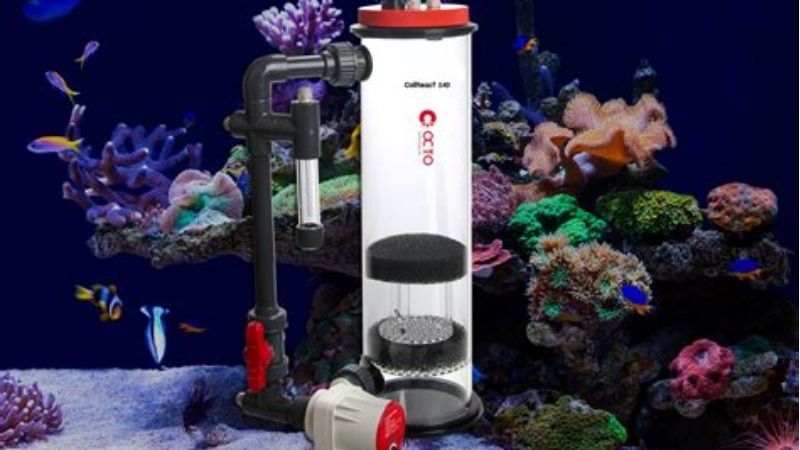
Compatibility is the first filter, because plumbing kits and spares are model-specific. A Reef Octopus CR100 plumbing kit is built for the CR100, and a CR140 plumbing kit for the CR140, so identify your exact model and generation before buying anything, since a near-match part can fail to seal or fit at all.
Do not assume similar names share parts; a CR140 plumbing kit should not be assumed to fit the VarioS CR140, which is a different product. Confirm the listing states your model explicitly, because the whole value of a maintenance kit collapses if a fitting or seal turns out to be for a sibling unit.
Add a Mineral-Scale Cleaner
Reactors accumulate mineral scale over time, so a suitable cleaner belongs in every kit. Citric acid is a common choice, and a product like BRS Citric Acid, sold in a 32-ounce container, is mixed according to its own label, often around 6 ounces per gallon, to dissolve buildup from chambers and pump parts.
Because concentrations and soak times vary by product, follow the exact SKU’s instructions rather than a remembered recipe. Rinse thoroughly after cleaning and handle acids safely, and treat the cleaner as a routine consumable, since regular descaling prevents the flow restriction scale causes inside a reactor.
Inspect Pump and Wear Parts
The recirculation pump and its seals, impeller and o-rings are the parts that actually wear, so a good kit anticipates them. Keeping model-correct spares on hand, such as a complete replacement calcium pump like the Tunze 3171.040 for that reactor, means a failure becomes a quick swap rather than extended downtime.
Inspect these components on a schedule rather than waiting for failure, checking for scale, wear and reduced flow. Stocking the right wear parts for your specific model turns maintenance into planned upkeep, which is far cheaper and less disruptive than an emergency when a pump quits during a busy reef’s peak demand.
Troubleshoot Before You Replace
When effluent drops, resist replacing the pump immediately, because low output is multi-cause. Scale buildup, a clogged line, low CO2 or a tuning drift can all reduce flow, so a maintenance routine should diagnose the cause first, since swapping a healthy pump wastes money and leaves the real problem unfixed.
Work through the likely causes in order: clean scale, check lines and fittings, verify CO2 and confirm settings before condemning a component. A kit that supports this, with a cleaner and inspection spares, lets you restore output methodically, replacing parts only when troubleshooting actually points to a worn one.
Top Picks
Because the right kit is model-specific, treat these as components to assemble around your own reactor rather than a single ranked winner. Shortlist the plumbing spares that match your model, add a scale cleaner, and keep the correct wear parts on hand, confirming compatibility on every item before you buy it.
| Product | Best For | Key Spec | Watch Out For |
|---|---|---|---|
| Reef Octopus CR100 Plumbing Kit | Best for CR100 owners | CR100-specific plumbing; ~$53.12 | Fits the CR100 only; verify model |
| Reef Octopus CR140 Plumbing Kit | Best for CR140 owners | CR140-specific plumbing; ~$66.40 | Do not assume it fits VarioS CR140 |
| BRS Citric Acid 32 oz | Best scale cleaner | 32 oz; mix per label (about 6 oz/gal) | Follow the exact SKU instructions |
| Tunze Calcium Pump 3171.040 | Best wear-part spare | Complete replacement pump; ~$169.99 | For the matching Tunze reactor only |
Reef Octopus CR100 Plumbing Kit — Best for CR100 Owners
The Reef Octopus CR100 plumbing kit is the compatibility pick for CR100 owners, supplying the model-specific fittings and lines that keep it sealed and flowing. At about $53.12 it is an inexpensive way to refresh worn plumbing, and buying the model-matched kit avoids the sealing problems a generic part invites.
It fits the CR100 and should not be assumed to work on other bodies, so verify your exact model before ordering. Confirm current pricing and that the listing names the CR100, and pair it with a cleaner and inspection routine, since fresh plumbing only helps if scale and pump wear are also being managed.
Reef Octopus CR140 Plumbing Kit — Best for CR140 Owners
The Reef Octopus CR140 plumbing kit serves CR140 owners with the fittings sized for that larger reactor, listed around $66.40 though availability can vary. Keeping the model-matched plumbing on hand turns a worn fitting into a quick fix, which matters more on a bigger reactor doing heavy work on a demanding reef.
Critically, do not assume this kit fits the VarioS CR140, which is a different product despite the shared number, so confirm the listing names your exact reactor. Verify current stock and price, and treat the plumbing kit as one part of a fuller maintenance approach alongside cleaning and wear-part spares.
BRS Citric Acid 32 oz — Best Scale Cleaner
BRS Citric Acid in a 32-ounce container is the descaling backbone of a reactor maintenance kit, dissolving the mineral buildup that gradually restricts flow. Mixed per its label, often near 6 ounces per gallon, it cleans chambers and pump parts, restoring output that scale has slowly choked off over months of use.
Because protocols vary by product, follow the exact SKU’s instructions for concentration and soak time rather than a generic recipe, rinse thoroughly and handle the acid safely. Treat it as a routine consumable, since regular descaling prevents the restriction that tempts owners into replacing healthy pumps.
Tunze Calcium Pump 3171.040 — Best Wear-Part Spare
The Tunze calcium pump 3171.040 is the wear-part spare for the matching Tunze reactor, a complete replacement pump listed around $169.99. Keeping the correct pump on hand turns an eventual failure into a fast swap rather than extended downtime, which protects a reef that depends on steady alkalinity delivery.
It is specific to its Tunze reactor, so confirm compatibility with your exact model before buying, and treat it as insurance rather than a first response. Because low output is multi-cause, troubleshoot scale, lines, CO2 and tuning first, and install a replacement pump only when diagnosis actually points to a worn one.
Frequently Asked Questions
Maintenance-kit questions revolve around cleaning method, acid safety and service timing. These answers stay practical and model-aware, since the right kit depends on your exact reactor and the cleaner you choose, and since low output has several causes a good routine should diagnose before replacing a part.
What Is the Best Way to Clean a Calcium Reactor?
Descaling with an acid such as citric acid is the core method, since mineral scale is what restricts flow over time. Mix the cleaner per its label, soak the affected chamber and pump parts, then rinse thoroughly, as this dissolves buildup and often restores output that had slowly declined as scale accumulated.
Cleaning should be routine, not a rescue, so schedule it before restriction becomes severe. Follow the product’s instructions for concentration and contact time, handle acids safely, and pair regular descaling with pump inspection so the reactor stays flowing without emergency intervention.
Is Citric Acid Safe for Reactor Cleaning?
Citric acid is a common and effective reactor cleaner, but it is still an acid, so handle it with care, use eye protection and follow the product label. Concentrations and soak times vary by SKU, so a product like BRS Citric Acid should be mixed to its own stated ratio rather than a remembered figure.
After soaking, rinse components thoroughly before returning them to the system to avoid introducing residue. Used according to its instructions, citric acid safely removes scale, but the safety and results depend on following the exact product’s guidance, so defer to the label on the container you purchased.
How Often Should I Check Reactor Parts?
Inspect the pump, seals and lines on a regular schedule rather than waiting for a failure, since scale and wear build gradually. Many keepers pair inspection with routine descaling, checking for reduced flow, scale on the impeller and aging o-rings so problems are caught while they are still a quick, inexpensive fix.
The right interval depends on your water and how hard the reactor works, so let observed scale and flow guide frequency. Keeping model-correct spares on hand means a worn part becomes a fast swap, turning maintenance into planned upkeep rather than an emergency during a demanding reef’s peak consumption.
When Should I Replace a Part Instead of Cleaning It?
Replace only after troubleshooting points to a genuinely worn component, because low output is multi-cause. Scale, clogged lines, low CO2 or a tuning drift can all cut flow, so clean, check the plumbing and verify CO2 and settings first, since swapping a healthy pump wastes money and leaves the real issue unresolved.
If output stays low after cleaning and the other causes are ruled out, a worn pump or perished seal is the likely culprit, and a model-correct spare fixes it quickly. Let diagnosis, not guesswork, trigger replacement, and keep the right wear parts on hand so the eventual swap does not mean prolonged downtime.
Final Thoughts
There is no universal best calcium reactor maintenance and cleaning kit, so build one around your exact model: the model-matched plumbing spares, a scale cleaner like BRS Citric Acid mixed per its label, and the correct wear parts. Troubleshoot low output before replacing, and confirm compatibility on every item.
Ready to decide? Our #1 pick for 2026 is the Reef Octopus CR100 Plumbing Kit.
Live price & availability on Amazon.
Related Reviews & Guides
Top 5 Nano Reef Tank Filter Systems Under $100 Amazon

Saltwater vs Freshwater Aquarium